What’s the lifespan of an FM transmitter?
When customers buy a transmitter, they always want to know how many years they can expect before needing a replacement. I get that question almost daily.
Most quality FM transmitters run reliably for 5–10 years before needing replacement. Professional-grade units with excellent maintenance can reach 10–12 years, sometimes longer. Poor quality or badly maintained transmitters sometimes fail in 2–4 years.
At RS, we offer a 5-year warranty on all transmitters. We know from testing and field data that our units perform well for at least that period. Most keep working beyond warranty, but I cannot promise every single one lasts 15 years. That would not be honest.
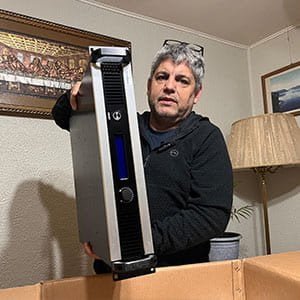
I track feedback from customers who bought RS transmitters 6–8 years ago. Many report their units still work. Some needed minor repairs like fan replacement, but the core transmitter keeps broadcasting. A church in Mexico bought our 100W model in 2016. They contacted me in 2023 saying it still runs every Sunday. That is 7 years without major issues.
But I also hear about shorter lifespans. Some customers had problems at 4–5 years, usually from power surges, poor ventilation, or heavy dust. A few units failed earlier from lightning strikes or extreme conditions. So the 5–10 year range reflects reality better than claiming everything lasts 15 years.
Build quality sets the starting point. Cheap transmitters with low-grade components might save money upfront but often fail within 2–4 years. Mid-range community station equipment typically lasts 5–8 years. Professional broadcast-grade units can reach 10–12 years or occasionally longer. Operating conditions affect everything. A transmitter in a cool, dry, clean room with stable power lasts longer than one in a hot, humid, dusty space with voltage swings. Maintenance habits make huge differences. Stations that clean regularly, replace fans proactively, and monitor performance catch problems early. Neglected equipment fails sooner.
From customer data, I see this pattern: Years 1–5 are usually reliable if you bought decent equipment and maintain it. Years 5–8 might need minor repairs like fans or capacitors. Years 8–10, component wear increases and repair costs go up. After 10 years, most transmitters need major work or replacement, though some do continue longer with good care.
| Equipment Type | Typical Lifespan | Common Reality |
|---|---|---|
| Professional broadcast | 10–15 years | With maintenance, 10+ realistic |
| Mid-range community | 5–10 years | Most reach 6–8 years |
| Budget/DIY quality | 1–3 years | Often fails before 3 years |
| RS transmitters | 5+ years warranty | Many reach 7–10 years |
What are the most common failure points?
Not all parts age at the same rate. Some components wear out faster and cause most problems.
The most common failures are cooling fans (typically 1–3 years), electrolytic capacitors (5–8 years lifespan), and RF power transistors (can fail from surges or overheating). Replacing these parts extends transmitter life, but not indefinitely.
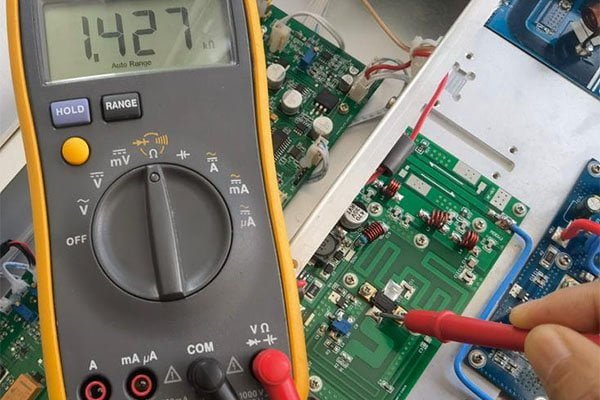
After helping customers with hundreds of problems, I see patterns. Cooling fans fail most often and earliest. Standard fans run continuously and wear out. After 10,000–30,000 hours, which is 1–3 years of constant operation, bearings fail. The fan gets noisy or stops. When it stops, the transmitter overheats and shuts down or damages itself.
Fans are cheap to replace, usually $10–30. The job takes 10 minutes. I tell customers to keep spare fans. When your fan gets louder, replace it before it dies completely. One customer ignored fan noise for months. The fan finally stopped during a broadcast. The transmitter overheated and damaged a power transistor. What should have been a $20 fan replacement became a $180 repair.
Electrolytic capacitors degrade over time. Their internal chemistry slowly breaks down, especially in heat. After 5–8 years, capacitors lose capacity or start leaking. This causes power supply problems, audio distortion, or unstable operation. Capacitor replacement needs more skill than fan replacement. Parts cost $20–50, and a technician needs an hour or two. But this maintenance can add several years to transmitter life.
RF power transistors usually last the transmitter’s lifetime under normal conditions. But power surges, lightning, severe overheating, or high SWR can kill them. When they fail, replacement costs more. A transistor or module runs $80–200 depending on power level, plus installation labor. At RS, we stock spare parts so customers get replacements quickly.
| Component | Typical Lifespan | Replacement Cost | Skill Level |
|---|---|---|---|
| Cooling fans | 1–3 years | $10–30 | Easy DIY |
| Capacitors | 5–8 years | $20–50 | Moderate skill |
| Power supply | 8–12 years | $50–150 | Technical skill |
| RF transistors | 5–10 years* | $80–200 | Technical skill |
| LCD display | 5–8 years | $30–80 | Moderate skill |
*Under normal conditions without damage
Other parts like LCD displays, buttons, and connectors also wear but cause less critical problems. An LCD might dim after 7–8 years. Buttons get sticky. Connectors oxidize. These are fixable with basic maintenance or cheap parts.
The main circuit board and chassis basically last the transmitter’s life if not damaged. I have not seen quality PCBs fail from age alone. So when deciding about repairs, if the main board is good, fixing other parts usually makes sense.
How does environment affect transmitter lifespan?
I have seen identical transmitters last 10 years in one place and fail in 4 years elsewhere. The equipment was the same. The environment was different.
Temperature, humidity, dust, and ventilation dramatically affect lifespan. Units in cool, dry, clean spaces with good airflow can reach 8–12 years. Hot, humid, or dusty conditions might cut lifespan to 4–6 years with the same quality equipment.
Temperature is probably the biggest environmental factor. Electronics hate heat. For every 10°C increase in operating temperature, component lifespan roughly cuts in half. This is not opinion. This is electronics reliability science. A transmitter at 30°C might last 10 years. The same unit at 50°C might only last 5 years. Internal components age faster when hot.
A station in tropical Africa kept their transmitter in a small metal shed without ventilation. Afternoon temperatures inside hit 45–50°C. Their transmitter failed after 3.5 years. We helped them install exhaust fans and intake vents. Their replacement transmitter has run 7 years now in the same location. Proper ventilation made the difference.
Humidity causes corrosion. Moisture in air creates oxidation on circuit boards, connectors, and metal parts. In humid environments, you see green or white corrosion on solder joints. This creates bad connections and intermittent failures. Coastal areas and tropical climates face this constantly. Solutions include climate-controlled rooms, dehumidifiers, or conformal coating on boards.
A customer near the coast noticed their transmitter getting unreliable after 3 years. Opening it revealed corrosion everywhere. For their next unit, they used a dehumidifier in the transmitter room and sealed unused ports. That unit ran 6 years before any issues.
Dust clogs cooling systems and creates hot spots. I have seen transmitters with so much dust buildup that fans barely spun and heat sinks looked like felt. Regular cleaning makes real differences. Every 3–6 months, open the case and blow out dust with compressed air. This simple task probably adds 2–3 years to average lifespan.
Power quality affects longevity too. Unstable voltage, frequent outages, or surges stress components and cause early failure. A quality voltage regulator or UPS protects against this. A $150–300 power conditioner can prevent a $1000+ transmitter replacement.
What maintenance extends transmitter life?
Some customers do no maintenance and complain about early failures. Others follow basic routines and get significantly more years from the same equipment.
Regular maintenance can add 2–4 years to transmitter lifespan. Key practices include cleaning dust every 3–6 months, replacing cooling fans every 2–3 years proactively, checking connections annually, and monitoring operating temperature.
I learned by watching which customers got long equipment life and which had early failures. The pattern is clear. Stations that maintain equipment seriously get better longevity.
Here is what actually works:
Clean your transmitter every 3–6 months. This is the easiest and most effective task. Turn off power, open the case, and use compressed air to blow out dust. Focus on fan blades, heat sinks, and ventilation slots. This 10-minute job prevents overheating. I have seen regularly cleaned transmitters run 10 years, while neglected identical units failed at 5 years.
Replace fans proactively every 2–3 years. Do not wait for complete failure. When a fan starts making noise, replace it immediately. Fans cost $15–25. Preventive replacement every 2–3 years makes sense. One customer ignored fan noise. The fan stopped during broadcast. Overheating damaged a transistor. A $20 prevention became a $200 repair.
Check connections annually. Vibration and thermal cycling can loosen screws and connectors. Once yearly, gently tighten all electrical connections, antenna connections, and grounds. Inspect cables for damage or corrosion. Finding a loose connection before it causes failure saves downtime.
Monitor operating temperature continuously. Most modern transmitters show temperature. Watch the numbers. If temperature creeps up over time, something is developing problems. Maybe a fan is dying, dust is building up, or cooling is insufficient. Catching temperature increases early lets you fix small issues before big failures.
Keep the environment clean and stable. If your site is dusty, add air filtration or seal the room better. If temperature swings wildly, add climate control. Creating stable, clean conditions is external maintenance that still matters.
| Maintenance Task | Frequency | Time Required | Impact |
|---|---|---|---|
| Dust cleaning | Every 3–6 months | 10–15 minutes | Significant |
| Fan replacement | Every 2–3 years | 10 minutes | Significant |
| Connection check | Annually | 20–30 minutes | Moderate |
| Temperature monitoring | Continuous | Minimal | Significant |
| Capacitor inspection | Every 6–8 years | Technician needed | Moderate |
Some tasks need technical skill. Checking capacitors or replacing power supplies requires knowledge. But hiring a technician every 5–6 years for inspection costs $100–200, which is far less than replacing equipment.
A customer in Kenya cleaned their 300W transmitter every 4 months and replaced the fan at year 2 even though it worked. That unit is now 9 years old and broadcasts normally. They spent maybe $50 on maintenance and got 9+ years from a $1339 investment.
When should I replace instead of repair?
This is the hardest question. You have a failing transmitter and need to decide: fix it or buy new.
Replace your transmitter when repair costs exceed 40–50% of new unit price, when failures happen frequently despite repairs, or when the unit is over 10 years old with multiple problems. Before 5 years, repairs usually make sense unless severely damaged.
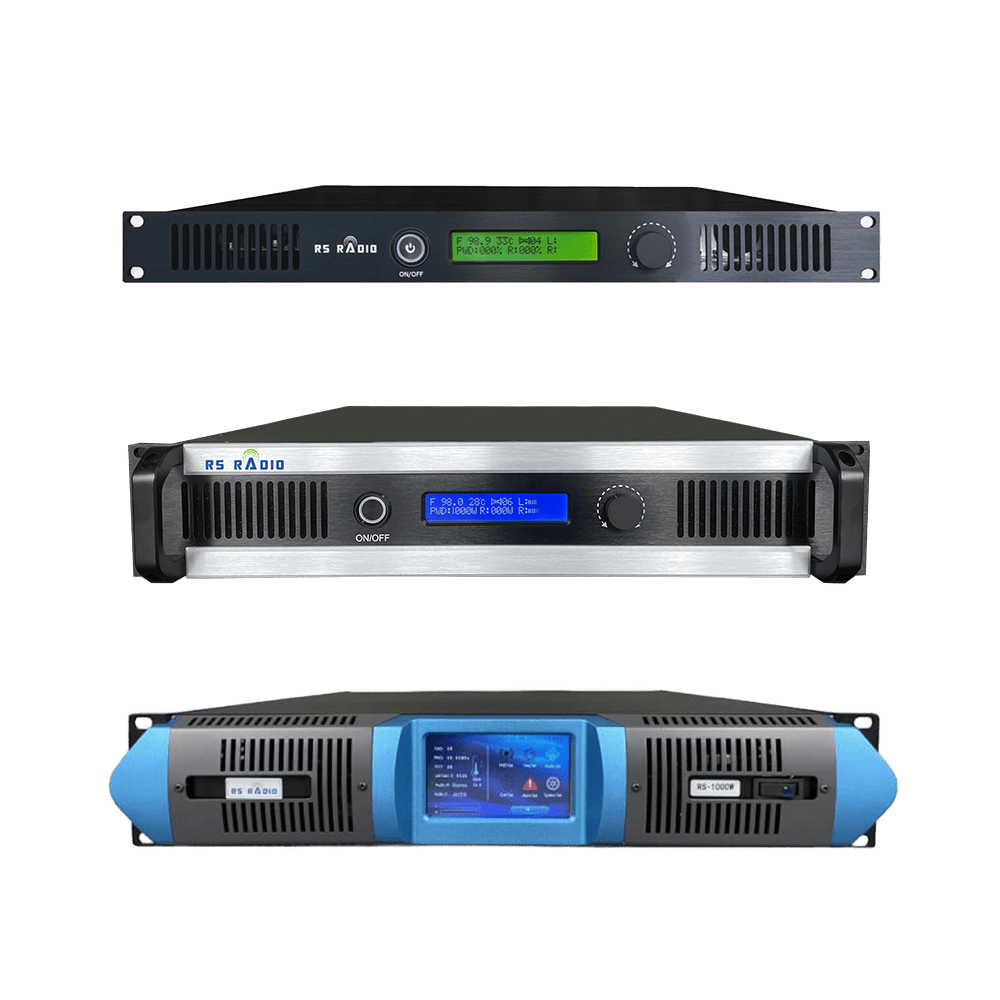
I help customers think through this regularly. There is no absolute rule, but good guidelines exist. First, compare repair cost to replacement cost. If fixing your old unit costs $600 but new costs $1200, replacement often makes more sense. You get fresh warranty, modern features, and predictable life ahead. Spending $600 for possibly 2–3 more years from an old unit does not beat $1200 for 6–10 years from new.
Second, consider failure frequency. If your transmitter needs repairs every few months, it is declining. One repair is normal. Two in a year is concerning. Three or more means the unit is failing progressively. Each repair costs money and causes downtime. Eventually cheap repairs total more than replacement cost.
A customer had a 10-year-old transmitter that needed three repairs in 14 months. Each cost $120–180. Total was $510. Another failure seemed likely. I showed him a new RS transmitter for $1339. He bought it and told me later the reliability was worth it. No more worrying about sudden failures during broadcasts.
Third, factor in age and technology. A 10+ year old transmitter is approaching typical lifespan limits. Even if you fix one thing, other parts are aging too. You might repair something only to have another part fail soon. Plus newer transmitters often have better features, lower power consumption, and improved reliability.
Signal quality decline can also signal replacement time. If your coverage has shrunk, audio quality degraded, or you get listener complaints despite repairs, the transmitter might be wearing out in ways that are not easily fixed. Degraded RF performance from aging components does not always show as clear failure but still hurts your broadcast.
Here is my thinking framework:
Under 5 years old and repair under $300: definitely repair. Normal maintenance on equipment with good life left.
5–8 years old and repair under $400: probably repair. Several years of service likely remain.
8–10 years old or repair over $400: seriously consider replacement. Math starts favoring new equipment.
Over 10 years old: lean toward replacement unless repair is very minor. You are already past typical mid-range lifespan.
A customer had a 9-year-old transmitter needing $450 in power supply work. Borderline case. He could spend $450 for maybe 2–3 more years, or $1200 for a new unit with 6–10 years ahead. He evaluated his budget and station plans, decided he could afford new, and made the upgrade. His old unit served well, but it was time.
Do RS transmitters really last 6–10 years?
Customers want to know if our warranty and longevity claims are real or marketing. I understand the skepticism.
Yes, RS transmitters regularly reach 6–10 years with proper care. We have units from 2015–2016 still broadcasting. Our 5-year warranty reflects build quality confidence. Most units keep working beyond warranty, though not all reach 10+ years.
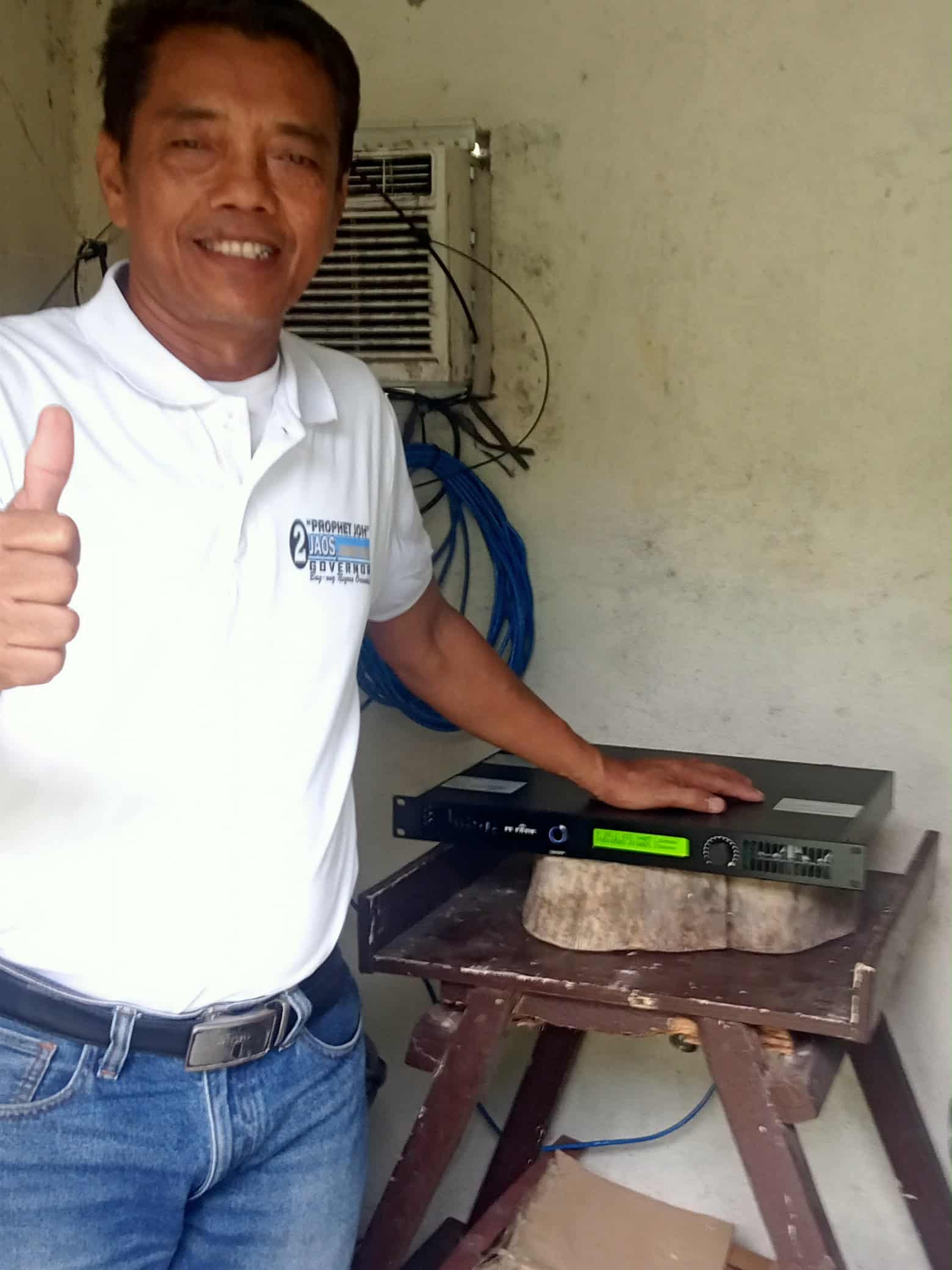
I can say this because I track customer feedback and know what happens after sale. We stay in touch with customers. They contact us for support, upgrades, or to report their station status. That gives real longevity data.
We have customers from 2015–2016 still using original RS transmitters. That is 8–9 years now. Some are in tough environments like tropical climates or dusty rural areas. They work hard and keep performing. But I also hear about shorter lifespans. Some customers had issues at 5–6 years from power problems, poor maintenance, or bad luck. Not every unit reaches 10 years.
A church in Central America bought a 100W transmitter in 2016 for $650. They broadcast every Sunday for 3–4 hours plus occasional weekday programs. As of 2024, that transmitter has logged 2000+ hours and works fine. They replaced the fan once for $20. No other problems. That is 8 years of reliable service.
Another station in East Africa bought 300W in 2017. They run 10–14 hours daily. They clean it regularly and keep it ventilated. Seven years later, it still broadcasts strong. They expected 5 years, so getting 7+ feels good.
But I also know about failures. A customer in a coastal area had problems at 4.5 years from corrosion and humidity. Another had lightning damage at 3 years despite having some protection. A few units failed at 6–7 years from various causes. So I cannot claim every single RS unit lasts 10+ years. The realistic range is 5–10 years for most customers, with some reaching beyond that.
Build quality does matter. We use quality components in power supplies and RF sections. We test every unit before shipping. We designed thermal management to prevent overheating. These choices cost more but improve longevity. A transmitter that costs 10% more to build but lasts 50% longer gives better customer value.
Conclusion
Quality FM transmitters like RS models typically last 5–10 years with basic maintenance. Good environmental care, regular cleaning, and prompt minor repairs can extend that toward 10–12 years. When repair costs exceed 40–50% of replacement cost or failures become frequent, consider new equipment. Need help evaluating your equipment or choosing reliable transmitters? Contact us at sales@fmradiotx.com or WhatsApp +86 188 4203 6851.