Top 5 FM Broadcasting Solutions for Large‑Area Coverage
I’m a technical engineer at RS, and over the past years I’ve designed and deployed FM broadcasting systems across 50+ countries. Maybe you’re planning citywide coverage, regional broadcasting, or a multi-site network. The key to success isn’t just buying powerful transmitters—it’s choosing the right deployment strategy that matches your coverage area, terrain, and operational requirements.
This guide shares five proven deployment solutions I’ve implemented for large-area coverage. Each solution addresses specific scenarios with clear architecture, equipment recommendations, and real-world performance data.
Solution 1: Single High-Power Urban Coverage
Best For: City radio stations, provincial broadcasters, metropolitan area coverage
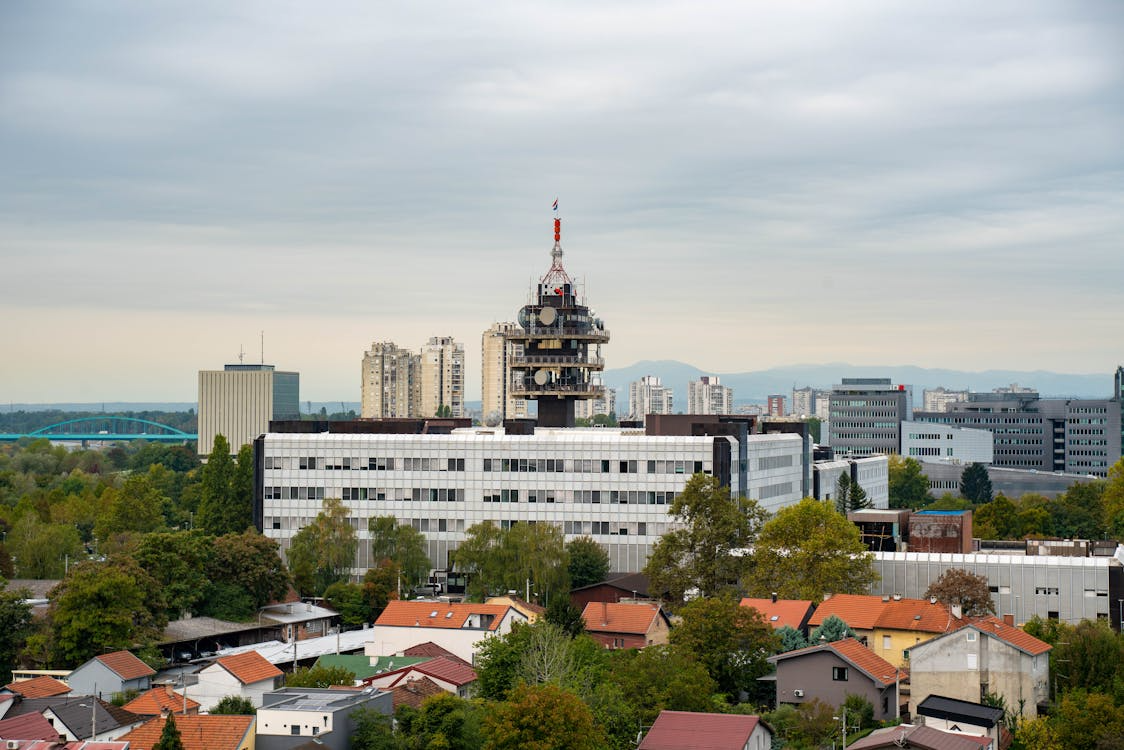
This is the most straightforward approach I recommend for covering densely populated urban areas. One high-power transmitter installed at an elevated site (tall building, tower, or hilltop) delivers signal across the entire city and surrounding suburbs.
System Architecture
The architecture is remarkably simple:
- Studio: Audio production and content creation
- STL (Studio-Transmitter Link): Microwave, fiber optic, or IP connection delivering audio from studio to transmitter site
- High-Power Transmitter: 1kW to 10kW depending on coverage requirements
- High-Gain Antenna: 4-bay or 6-bay antenna at 80-150m height
- Combiner (optional): If multiple frequencies operate from same site
Coverage Performance
I’ve deployed this configuration in dozens of cities. Here’s what you can realistically expect:
| Transmitter Power | Antenna Height | Urban Coverage Radius | Suburban Coverage | Best Applications |
|---|---|---|---|---|
| 1000W | 100m | 30-40 km | 50-60 km | Medium cities (500K-1M population) |
| 2000W | 120m | 40-50 km | 60-80 km | Large cities (1M-2M population) |
| 3000W | 150m | 50-60 km | 80-100 km | Metropolitan areas (2M+ population) |
| 5000W | 150m | 60-80 km | 100-120 km | Provincial coverage, major metros |
Note: Urban coverage affected by buildings (signal attenuation 20-30%). Suburban/rural coverage extends significantly further.
Key Advantages
Operational Simplicity: Single site means one location to maintain, one power bill, one internet connection. Your technical staff only needs to manage one facility. I’ve seen stations significantly reduce operational costs moving from multi-site to single high-power deployment.
Centralized Monitoring: All equipment in one location simplifies monitoring and troubleshooting. When problems occur, you know exactly where to go. Remote monitoring covers everything from one dashboard.
Cost-Effective for Dense Areas: In cities where population density is high, cost per covered listener is excellent. One 3kW transmitter covering 2 million people costs less than multiple smaller transmitters achieving same reach.
Frequency Coordination: Operating from single site simplifies frequency coordination with adjacent broadcasters. You’re managing one coordination case, not multiple transmitter locations.
Important Considerations
Site Selection Critical: Antenna height and location determine success. I always recommend professional propagation modeling before committing to transmitter sites. A 3kW transmitter at 80m height may underperform a 2kW transmitter at 150m.
Harmonic Control: High-power transmitters require excellent harmonic suppression to avoid interfering with other services. RS transmitters achieve <-75 dBc second harmonic suppression—well above regulatory requirements—ensuring interference-free operation even at high power levels.
Backup Power Essential: Single point of failure requires backup power systems. I recommend UPS for short outages plus generator for extended outages. Total power requirement: transmitter power ÷ 0.60 efficiency + 30% margin. Example: 3kW transmitter needs approximately 6kVA backup power capacity.
Building/Tower Access: High-power installations require significant support infrastructure. Verify building structural capacity, electrical service availability (often requiring three-phase power for 3kW+ transmitters), cooling capacity, and 24/7 access for maintenance.
Recommended RS Equipment Configuration
For metropolitan coverage (2M+ population):
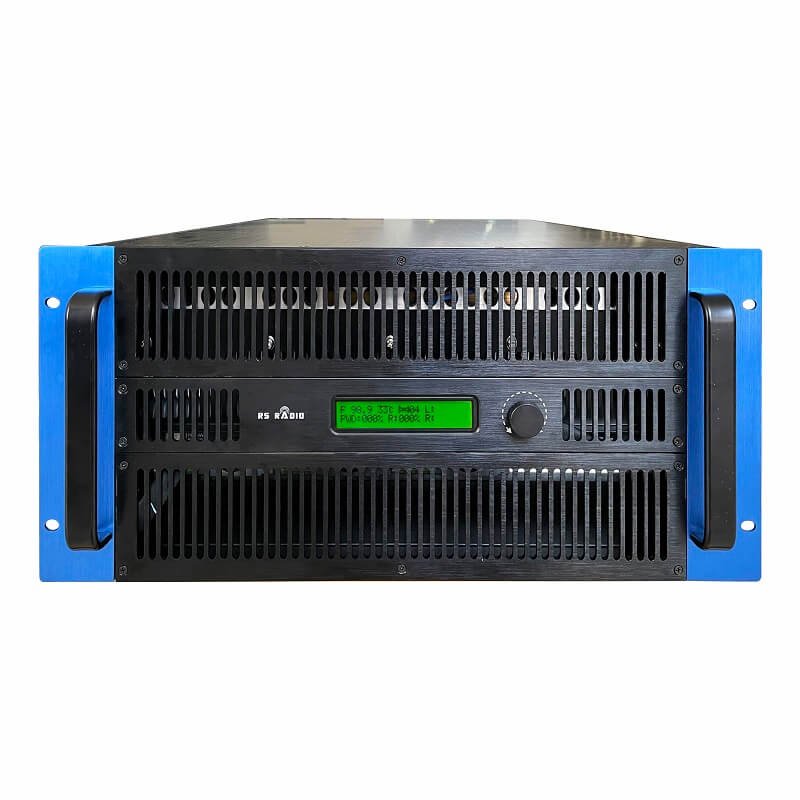
- Transmitter: 3000W FM Transmitter ($6,800)
- Antenna: 4-bay circularly polarized antenna with 6 dBd gain
- Feedline: 7/8" coaxial cable with <1.5 dB loss
- Backup: 1500W backup transmitter with automatic failover ($2,230)
- Remote Monitoring: Ethernet-connected for 24/7 oversight
This configuration delivers 40-70 km coverage depending on terrain and antenna height, serving 2-5 million people in typical metropolitan areas.
Real Deployment Example
Recently I helped a provincial broadcaster in the Philippines deploy 3kW transmitter at 120m tower height. Coverage analysis predicted 50km radius serving 2.3M population. Actual field measurements confirmed coverage meeting predictions. Total project cost including transmitter, antenna, feedline, installation, and backup power: approximately $35,000. Cost per potential listener: $0.015.
My Recommendation
Single high-power deployment works excellently for:
- Cities with centralized tall structures (towers, skyscrapers, hills)
- Relatively flat terrain without major obstacles
- Dense population where wide coverage reaches many listeners
- Broadcasters wanting operational simplicity
This solution doesn’t work well for:
- Mountainous terrain with valleys and shadow zones
- Very large areas requiring 100+ km coverage
- Regions with severe RF interference requiring frequency flexibility
Solution 2: Multi-Site Distributed Regional Coverage
Best For: Provincial broadcasting, highway networks, mountainous regions, super-large metropolitan areas
When terrain complexity or coverage area exceeds single-transmitter capabilities, I design distributed networks using multiple medium-power transmitters. This approach delivers superior coverage in challenging environments where single high-power sites create shadow zones.

System Architecture
Distributed networks require more sophisticated infrastructure:
- Central Studio/Headend: Content production and distribution control
- Distribution Network: Fiber optic, IP network, or satellite delivering program to multiple sites
- Multiple Transmitter Sites: 3-10+ locations each with medium-power transmitter (300W-1000W)
- Site Selection: Strategic placement filling coverage gaps and providing overlapping coverage
- Network Management System: Centralized monitoring and control of all sites
- Synchronization (optional): GPS-based synchronization for single-frequency network (SFN) operation
Coverage Strategy Comparison
| Approach | Total Power | Number of Sites | Coverage Quality | Operational Complexity | Best Application |
|---|---|---|---|---|---|
| Single 3kW | 3000W | 1 | Good in line-of-sight Poor in shadow areas |
Low | Flat terrain, urban cores |
| Multi-site 6x500W | 3000W total | 6 | Excellent, minimal shadows | Medium-High | Mountains, highways, large regions |
| Multi-site SFN 4x1kW | 4000W total | 4 | Excellent seamless coverage | High | High-quality broadcast requirements |
When This Solution Excels
Mountainous Terrain: Mountains block radio signals. Single high-power transmitters leave valleys in shadow. I’ve deployed distributed networks in mountainous provinces where 500W transmitters strategically placed in multiple valleys delivered superior coverage compared to 5kW transmitter on highest peak.
In one project in a mountainous county, initial plan specified 3kW transmitter at central mountain peak. Coverage modeling showed 40% population in valleys receiving poor signals. We redesigned using 6 sites with 300W-500W transmitters. Coverage improved to 95% population with better signal quality at lower total cost.
Highway Networks: Long highways require continuous coverage for driver safety and information. Distributed transmitters every 40-60 km maintain strong signals along entire route. I’ve designed highway networks where seamless coverage enables traffic information, emergency alerts, and entertainment throughout long-distance travel.
Super-Large Metropolitan Areas: Cities with 50+ km diameter and diverse terrain (hills, tall buildings, suburbs) benefit from multiple transmitter sites. Each site serves 15-25 km radius. Overlapping coverage ensures reliability—if one transmitter fails, adjacent transmitters maintain service.
Network Architecture Options
Non-Synchronized Multi-Frequency: Each transmitter operates on different frequency. Simplest implementation requiring no special synchronization. Listeners retune when moving between coverage areas. Works well for provincial networks where listeners are generally stationary or coverage areas don’t overlap significantly.
Synchronized Single-Frequency Network (SFN): All transmitters broadcast same content on same frequency with precise timing synchronization. Listeners experience seamless coverage without retuning as they move through overlapping areas. Requires GPS synchronization and careful transmitter delay adjustment. More complex but delivers superior user experience.
Equipment Configuration Example
For provincial coverage (800 km² mountainous region):
Per Site Configuration:
- Transmitter: 500W FM Transmitter ($1,560 per site)
- Antenna: 2-bay antenna at 40-50m height
- Feedline: 1/2" coaxial cable
- Remote Monitoring: IP connectivity to central monitoring
- GPS Receiver (if SFN): Time synchronization <100 ns
- Backup Power: UPS + small generator or solar system
Network Configuration (6 sites):
- Central Headend: Program distribution server
- Distribution: IP audio over fiber/microwave network
- Management Software: Centralized monitoring and control
- Total Equipment Investment: Approximately $12,000-15,000
This configuration delivers near-complete coverage (>95% population) in challenging terrain where single high-power transmitter would achieve <70% coverage.
Operational Considerations
Multiple Site Maintenance: Distributed networks require maintaining multiple locations. I recommend:
- Remote monitoring with automatic alerting for all sites
- Spare parts kits at each site or regional depot
- Trained technical staff or regional maintenance contracts
- Quarterly preventive maintenance schedules
Network Coordination: Program distribution must be reliable. Fiber optic or microwave links provide best reliability. Internet distribution works but requires quality-of-service management preventing interruptions. I always recommend diverse routing—if primary link fails, backup routing maintains program delivery.
Frequency Coordination Complexity: Multiple transmitter locations require more complex frequency coordination with regulatory authorities and adjacent broadcasters. Plan 3-6 months for coordination process in most countries.
Real Deployment Example
I designed a distributed network for a mountainous province in Mexico covering 1,200 km² with highly variable terrain. Initial proposal specified 5kW transmitter at highest mountain (2,800m elevation). Coverage modeling showed deep valleys receiving weak signals—only 65% population adequately covered.
Redesigned network used 8 sites with 300-500W transmitters positioned strategically in valleys and ridges:
- Coverage achieved: 94% population
- Signal quality: Significantly better in previously shadowed areas
- Total cost: 15% less than single high-power solution
- Reliability: Network continues operating even with 2-3 sites offline
My Recommendation
Multi-site distributed coverage works best for:
- Mountainous or highly varied terrain
- Large coverage areas (>50 km radius)
- Highway or transportation corridor coverage
- Regions where population distributed across geography
- Applications requiring high coverage reliability (multiple redundant sites)
This approach requires more planning and operational complexity than single-site deployment but delivers dramatically better coverage in challenging environments.
Solution 3: Campus, Park, and Community Coverage
Best For: University campuses, industrial parks, tourist attractions, resorts, theme parks, residential communities
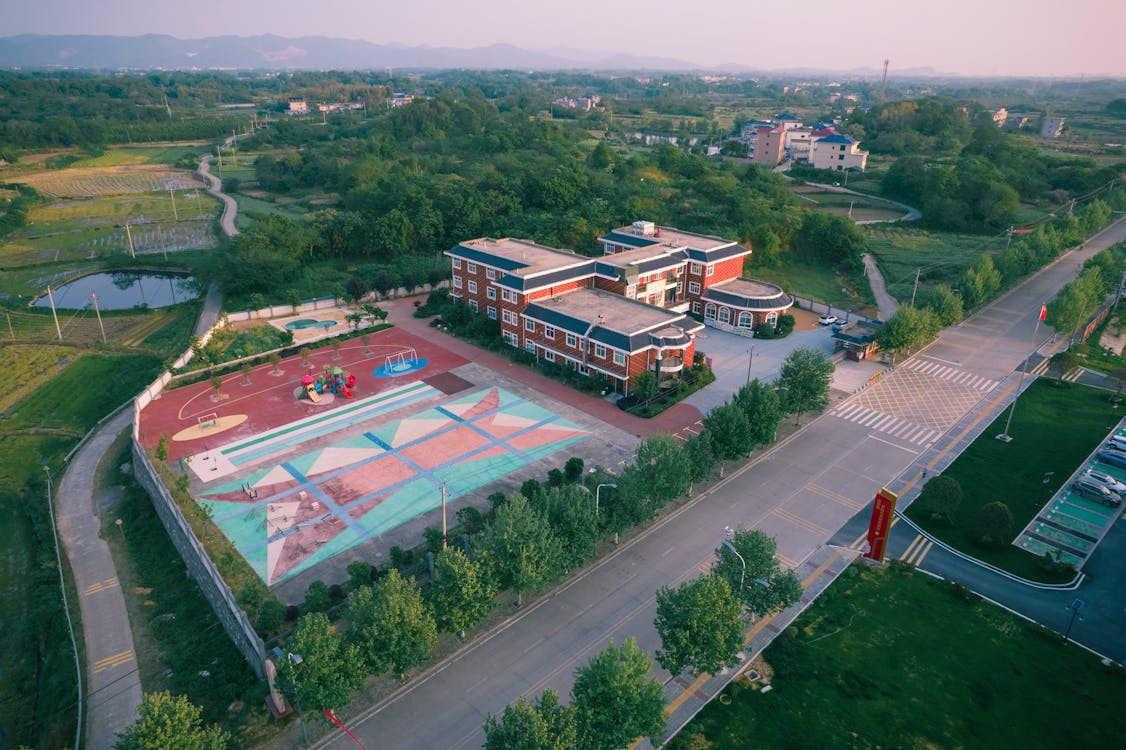
Medium and small-power localized broadcasting serves defined geographic areas with specific audiences. I’ve deployed dozens of these systems worldwide. They’re cost-effective, quick to deploy, and deliver excellent coverage within target areas without extending far beyond boundaries.
System Architecture
Localized broadcasting systems are refreshingly simple:
- Content Source: Studio, automation system, or simple audio mixer
- Low/Medium Power Transmitter: 15W-300W depending on area size
- Antenna: Rooftop or modest tower (15-40m height)
- Coverage Area: 2-20 km radius
- Optional Features: RDS for information display, multiple transmitters for multi-channel content
Coverage and Power Requirements
| Area Type | Typical Size | Recommended Power | Antenna Height | Coverage Performance | Typical Cost |
|---|---|---|---|---|---|
| Small Campus | 1-2 km² | 15-50W | 15-20m rooftop | Excellent throughout | $249-488 |
| Large Campus | 3-5 km² | 100-300W | 25-40m tower | Strong signal entire area | $650-1,339 |
| Industrial Park | 5-10 km² | 300-500W | 30-50m tower | Full coverage | $1,339-1,560 |
| Tourist Attraction | 10-20 km² | 500-1000W | 40-60m tower | Complete visitor coverage | $1,560-1,890 |
Why FM Broadcasting for Localized Areas?
Universal Compatibility: Every car, portable radio, smartphone with FM chip receives broadcasts immediately. No app downloads, no mobile data consumption, no special equipment. Visitors arrive with receivers already in their pockets or vehicles.
I worked with a large theme park that initially considered app-based audio guides. Development costs exceeded $50,000 plus ongoing maintenance. Visitor complaints about data usage and app compatibility were common. We replaced it with FM broadcasting using three 100W transmitters ($1,950 total). Visitors simply tuned portable radios or car stereos. Complaints disappeared, coverage improved, and system paid for itself in six months through eliminated app maintenance costs.
Instant Deployment: From planning to operation typically requires 2-4 weeks. Compare this to installing app infrastructure, WiFi networks, or physical signage systems. Recently I helped a university launch campus radio station. From equipment order to first broadcast: 18 days.
Zero Per-User Cost: Unlike streaming or cellular-based solutions, FM broadcasting costs nothing per listener. Serve 10 listeners or 10,000 listeners—operational cost remains identical. For large venues with many simultaneous users, cost advantage is enormous.
Reliable in All Conditions: FM signals work regardless of network congestion, power outages (transmitter on backup power), or device capabilities. During campus events with thousands of visitors overwhelming cellular networks, FM broadcasting continued flawlessly.
Application-Specific Examples
University Campus Radio:
Typical configuration I deploy:
- Studio: Simple broadcast studio in student center or media building
- Transmitter: 100W FM transmitter ($650)
- Antenna: Rooftop installation on tallest campus building (20-30m)
- Coverage: Entire campus plus surrounding 5-7 km
- Content: Student programming, campus announcements, emergency alerts
Student organizations operate stations with minimal technical knowledge. Remote monitoring alerts staff if technical problems occur. Most stations operate 24/7 with fully automated overnight programming.
Tourist Attraction Audio Guides:
Replace expensive personal audio guide equipment with FM broadcasting:
- Multi-Channel Setup: 3-5 transmitters on different frequencies for different languages or tour routes
- Power: 50-100W per transmitter provides excellent coverage throughout attraction
- Visitor Experience: Tune portable radio or smartphone FM to appropriate channel
- Content: Pre-recorded or live tour narration, historical information, entertainment
I deployed this system at historical site with 15 km² area. Previous audio guide system required expensive rental equipment ($15 per visitor), equipment losses, and constant maintenance. New FM system uses five 50W transmitters ($2,440 total) broadcasting in five languages. Visitors use own devices or inexpensive pocket radios provided free. System paid for itself in three months through eliminated rental system costs.
Industrial Park Communication:
Large industrial facilities need communication systems for:
- Safety Announcements: Emergency evacuation, hazard alerts
- Shift Changes: Notifications, schedule updates
- Music/Information: Employee satisfaction programming during breaks
Configuration example:
- Transmitter: 300W FM transmitter ($1,339)
- Antenna: 40m tower centrally located
- Coverage: 5-8 km radius covering entire facility
- Reception: Break rooms, vehicles, portable radios
- Integration: Automated emergency alert system triggers broadcast interruption
Residential Community Broadcasting:
Planned communities, retirement communities, large residential developments:
- Community Information: Events, announcements, neighborhood news
- Emergency Alerts: Severe weather, evacuation notices
- Entertainment: Local content, resident programs
Small 50W transmitter ($488) typically covers 3-5 km—adequate for most residential communities. Residents tune radios at home or in vehicles. No special equipment required.
Multi-Channel Content Delivery
Some applications benefit from multiple simultaneous channels:
Theme Park Example:
- Channel 1 (88.1 MHz): General park information and music
- Channel 2 (88.5 MHz): Ride wait times and show schedules
- Channel 3 (88.9 MHz): Children’s content
- Channel 4 (89.3 MHz): Spanish language programming
Four separate 50W transmitters ($1,952 total) provide complete coverage with content diversity. Visitors choose channels based on preferences.
Equipment Selection Guidelines
| Coverage Requirement | Recommended Configuration | Total Investment | Annual Operating Cost |
|---|---|---|---|
| Small area (1-3 km) | 15-50W transmitter + rooftop antenna | $249-488 | $50-100 electricity |
| Medium area (5-10 km) | 100-300W transmitter + 25-40m tower | $650-1,339 | $150-300 electricity |
| Large area (10-20 km) | 500-1000W transmitter + 50m+ tower | $1,560-1,890 | $400-800 electricity |
| Multi-channel | Multiple transmitters (above configs) | Multiply by channel count | Proportional to transmitters |
My Recommendation
Localized FM broadcasting excels for defined geographic areas needing:
- Simple, reliable communication with visitors/residents/users
- No per-user costs or special device requirements
- Quick deployment without extensive infrastructure
- Multiple simultaneous users without capacity concerns
- Integration with emergency alert systems
I particularly recommend this solution for any venue where visitors naturally have FM receivers (theme parks, campgrounds, tourist attractions) and universities where student-operated radio promotes engagement and learning.
Solution 4: Emergency and Temporary Broadcasting
Best For: Emergency communications, disaster response, temporary events (concerts, sports, festivals), construction sites, temporary traffic management
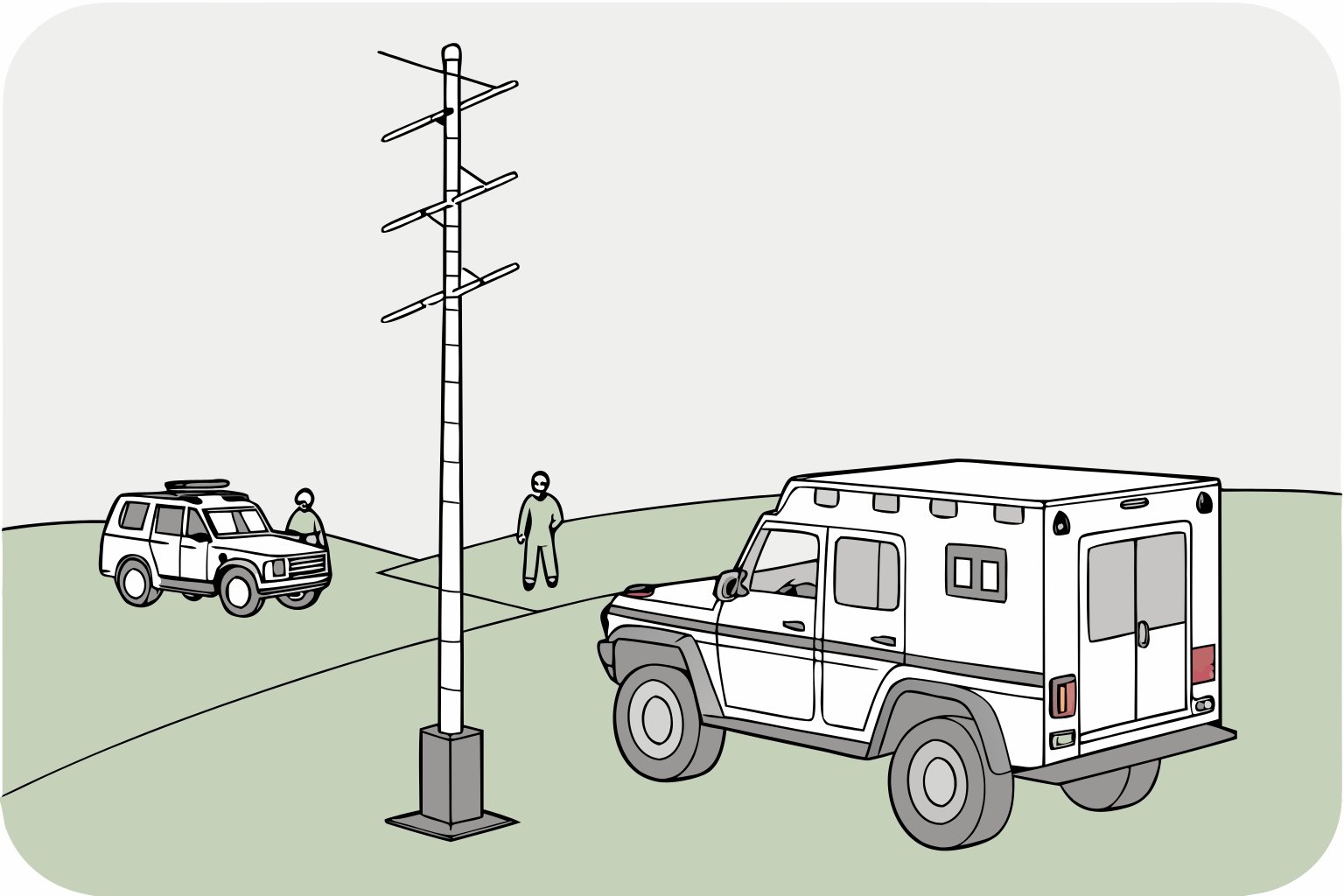
Mobile and temporary FM broadcasting provides rapid-deployment coverage when fixed infrastructure is unavailable, damaged, or unnecessary for short-term applications. I’ve deployed these systems for disaster relief, temporary events, and emergency communications worldwide.
System Architecture
Temporary broadcasting systems emphasize portability and rapid deployment:
- Portable/Mobile Transmitter: Rack-mount or portable configuration
- Temporary Antenna: Telescopic mast or vehicle-mounted antenna
- Mobile Power: Generator, battery bank, or temporary electrical service
- Quick Setup: Complete deployment in 1-4 hours
- Transport: Vehicle-mounted or portable cases
When Temporary Broadcasting Essential
Disaster Response: Natural disasters frequently damage fixed broadcast infrastructure. Mobile transmitters restore communications rapidly:
After Hurricane Maria devastated Puerto Rico in 2017, I deployed mobile FM transmitters helping restore emergency communications. Fixed broadcast infrastructure required weeks for repair. Mobile transmitters operating within hours provided critical emergency information, coordination instructions, and family communication facilitation.
Typical disaster response deployment:
- Deployment Time: 2-6 hours from arrival to on-air
- Coverage: 500W transmitter with 30m temporary mast covers 15-20 km radius
- Duration: Days to weeks until permanent infrastructure restored
- Power: Generator or vehicle-mounted operation
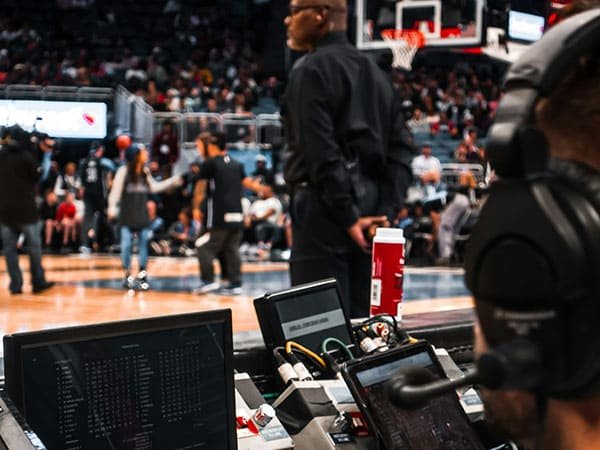
Temporary Events: Large gatherings need communication systems:
Concert/Festival Application:
- Traffic Management: Parking directions, traffic flow information
- Event Information: Schedule updates, artist information
- Safety Communication: Emergency procedures, lost children services
- Coverage: 100-300W covers typical festival grounds (2-5 km²)
I deployed temporary broadcasting for major outdoor festival hosting 50,000 daily attendees. Three days before event, we installed 300W transmitter on 40m temporary tower. Coverage encompassed entire festival grounds plus approach roads within 10 km. Attendees received real-time traffic updates, parking guidance, and event information. After event, complete removal required four hours.
Construction Site Communication:
Large construction projects (highways, pipelines, mining operations) spanning many kilometers need communication systems for safety and coordination:
- Safety Briefings: Daily safety information broadcast to all workers
- Coordination: Schedule changes, delivery notifications
- Emergency Alerts: Hazard warnings, evacuation notices
- Coverage: Mobile transmitter relocates as project advances
Equipment Configuration Options
Vehicle-Mounted System ($2,500-4,500 complete):
- Transmitter: 300-500W rack-mount transmitter
- Antenna: Vehicle roof-mounted or telescopic mast (10-15m)
- Power: Vehicle electrical system or separate generator
- Control: Remote operation from vehicle cabin
- Mobility: Drive to location, deploy in <1 hour
Portable Case System ($1,800-3,500):
- Transmitter: 100-300W in rugged transport case
- Antenna: Portable tripod-mounted (5-10m)
- Power: Battery bank (4-8 hour operation) or generator
- Weight: 25-40 kg total system
- Deployment: Two persons, 30-60 minutes setup
Trailer-Mounted System ($5,000-8,000):
- Transmitter: 500-1000W professional transmitter
- Antenna: Hydraulic telescopic mast (20-40m)
- Power: Integrated generator or grid connection
- Shelter: Weather-protected equipment enclosure
- Deployment: Tow to location, deploy mast, on-air in 2 hours
Deployment Comparison
| System Type | Deployment Time | Coverage Radius | Duration Suitable | Mobility | Typical Cost |
|---|---|---|---|---|---|
| Portable Case | 30-60 min | 5-10 km | Hours to days | High – 2 persons carry | $1,800-3,500 |
| Vehicle-Mounted | 30-90 min | 10-20 km | Days to weeks | High – drive to location | $2,500-4,500 |
| Trailer-Mounted | 2-4 hours | 15-30 km | Weeks to months | Medium – towing required | $5,000-8,000 |
Real Deployment Examples
Disaster Relief Communication:
Following major earthquake in Nepal (2015), I coordinated deployment of mobile FM transmitters in five affected districts. Fixed infrastructure destroyed, mobile networks overwhelmed. Within 48 hours, mobile transmitters provided emergency information, family communication facilitation, and coordination instructions.
Configuration per site:
- Transmitter: 300W portable system
- Power: Generator (fuel supply coordinated with relief logistics)
- Antenna: 20m temporary mast
- Coverage: 15 km radius per transmitter
- Duration: 3 weeks until permanent infrastructure partially restored
Major Sporting Event:
International marathon race through city streets required communications for:
- Runner Information: Course conditions, weather updates
- Spectator Services: Race progress, viewing location recommendations
- Traffic Management: Road closure updates, detour information
Two mobile 300W transmitters positioned along course provided complete coverage. Setup day before race, removed same evening. Total deployment cost: $1,200 (equipment rental + installation). Compare to printing 100,000 information flyers at $8,000+ with less effective distribution.
Technical Considerations
Frequency Coordination: Temporary operations require regulatory approval. Most countries allow temporary broadcast licenses with streamlined application. I recommend applying 2-4 weeks before deployment. Emergency operations often receive immediate authorization.
Power Requirements: Generator sizing critical for reliable operation:
- Calculate transmitter power ÷ 0.60 efficiency = minimum generator capacity
- Add 50% margin for startup surge and other equipment
- Example: 500W transmitter requires minimum 1.5 kW generator, recommend 2.5 kW
Antenna Considerations: Temporary antennas sacrifice optimization for quick deployment. Expect 20-30% reduced coverage compared to permanent installations with same power. Higher temporary masts partially compensate.
Weather Protection: Temporary installations more vulnerable to weather. Monitor forecasts, secure equipment before storms, protect electronics from moisture.
RS Portable Broadcasting Solutions
RS provides several options for temporary and mobile broadcasting:
Compact Configuration (15-50W):
- Portable transmitter in carrying case
- Tripod-mounted antenna
- Battery operation (4-6 hours) or AC power
- Complete kit: $249-488
- Weight: <10 kg
- Setup time: 15-30 minutes
Professional Mobile Configuration (100-500W):
- Rack-mount transmitter in transit case
- Telescopic mast (10-20m)
- Generator or vehicle power
- Complete kit: $650-1,560
- Weight: 30-50 kg
- Setup time: 1-2 hours
My Recommendation
Temporary FM broadcasting provides unique value for:
- Emergency communications when fixed infrastructure unavailable
- Events requiring short-term (days to weeks) coverage
- Applications needing mobility or rapid redeployment
- Testing coverage before permanent installation investment
- Supplement to permanent infrastructure during maintenance or failures
For organizations working in disaster-prone areas, emergency response, or frequent temporary events, maintaining mobile broadcasting capability delivers enormous value. Equipment investment pays for itself through single deployment in many cases.
Solution 5: Integrated Public Safety and Emergency Broadcasting Network
Best For: City/county emergency management, public safety agencies, government information systems, civil defense networks
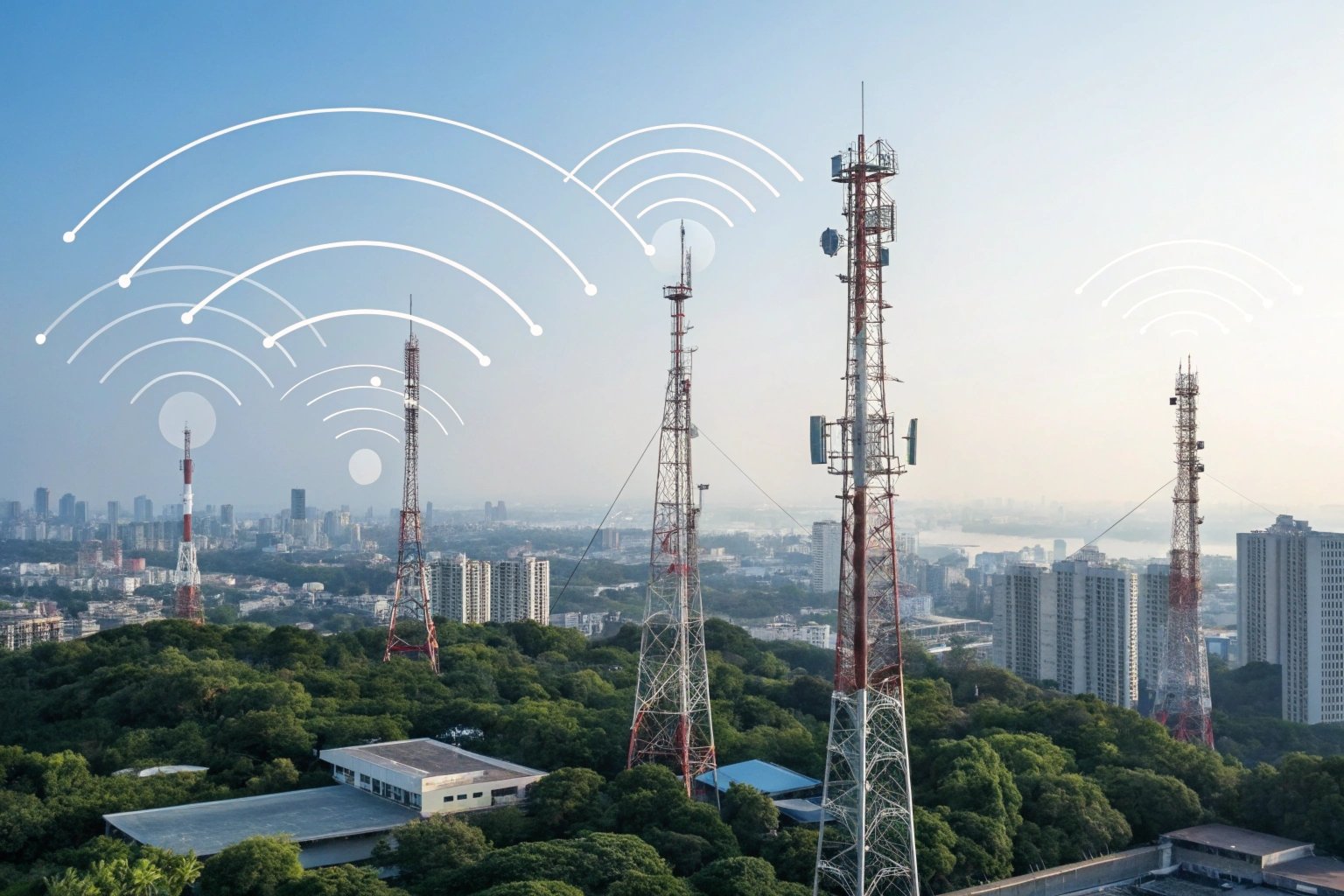
Comprehensive public safety broadcasting integrates multiple transmission sites, central control, emergency alert protocols, and interoperability with other communication systems. I design these networks for government agencies requiring reliable mass communication capabilities for both routine public information and emergency response.
System Architecture
Integrated emergency broadcasting networks feature sophisticated centralized control:
- Central Command Center: Emergency operations center with broadcast control
- Multiple Transmitter Sites: Distributed network ensuring redundant coverage
- Diverse Connectivity: Fiber, microwave, cellular, satellite backup
- Alert Integration: Connection to emergency alert systems, weather services, public safety agencies
- Automated Broadcasting Control: Remote start, power adjustment, frequency changes
- Monitoring Dashboard: Real-time status of all transmitters and network health
- Alert Protocols: Automated emergency message insertion
- Receiver Infrastructure: Public alert radios, warning sirens with FM receivers
Network Design Principles
Geographic Redundancy: Multiple transmitter sites ensure no single point of failure eliminates coverage. I design networks where any 2-3 transmitter failures still maintain 80%+ population coverage.
Connectivity Diversity: Each transmitter site connects to central control via multiple paths:
- Primary Link: Fiber optic or dedicated microwave
- Secondary Link: Cellular/LTE connection
- Tertiary Link: Satellite backup (for critical sites)
This redundancy ensures network operates even during infrastructure damage affecting primary connectivity.
Power Independence: Each transmitter site includes:
- Grid Power: Primary electrical service
- UPS: 30-60 minute battery backup for brief outages
- Generator: Extended operation during prolonged outages (1-7 days fuel capacity)
- Solar Backup (optional): Supplemental power reducing generator dependence
System Capabilities
Routine Public Information:
During normal operations, system broadcasts:
- Government Announcements: Public service information, community notices
- Public Education: Health information, civic education programs
- Cultural Programming: Local content, language preservation
- Traffic Information: Road conditions, construction updates
Emergency Alert Functions:
During emergencies, system provides:
- Immediate Alert Activation: Authorized personnel trigger alerts within seconds
- Pre-recorded Messages: Library of emergency messages in multiple languages
- Live Override: Emergency officials broadcast live updates
- Geographic Targeting: Activate specific transmitters for localized emergencies
- Automated Triggers: Integration with weather alert systems, seismic sensors, industrial monitors
Integration with Other Systems
Modern emergency broadcasting integrates with comprehensive public safety infrastructure:
| Integration Type | Function | Benefit |
|---|---|---|
| National Weather Service | Automatic severe weather alerts | Immediate warning distribution |
| Seismic Monitoring | Earthquake early warning | Seconds of warning before shaking |
| Emergency Operations Center | Command and control | Coordinated emergency response |
| Public Alert Radios | Automatically activate receivers | Wakes sleeping residents |
| Outdoor Warning Sirens | Audio reinforcement | Multi-modal alert delivery |
| Cell Broadcast | Supplemental mobile alerts | Redundant notification paths |
| Social Media | Message distribution | Broader audience reach |
Equipment Configuration Example
For county-level public safety network (2,000 km², 500,000 population):
Central Command Configuration:
- Broadcast Automation: Software managing routine programming and emergency override
- Alert Management: Interface for emergency officials to activate alerts
- Network Monitoring: Dashboard showing all transmitter status
- Recording System: Documentation of all broadcasts for legal/historical record
- Backup Control: Secondary control location for command center failures
Transmitter Site Configuration (5-8 sites typical):
- Primary Transmitter: 500-1000W depending on coverage requirements ($1,560-1,890 per site)
- Backup Transmitter: 300W automatic failover unit ($1,339 per site)
- Antenna: 2-4 bay antenna optimized for coverage pattern
- Shelter: Weather-protected equipment building or cabinet
- Power System: Grid + UPS + generator
- Connectivity: Dual-path connection to central control
- Monitoring: Automatic status reporting and alarm notification
Total Network Investment: $45,000-75,000 depending on number of sites and infrastructure requirements
Coverage Planning Strategy
I design public safety networks prioritizing population coverage over geographic coverage:
Priority 1 – Urban Centers (70% population): Strongest signals ensuring reliable reception in buildings, basements, and vehicles. Multiple transmitters provide redundant coverage.
Priority 2 – Suburban Areas (20% population): Good signal strength ensuring reliable outdoor reception and vehicle reception.
Priority 3 – Rural Areas (10% population): Basic coverage ensuring alert reception, possibly requiring outdoor antennas for indoor reception.
This tiered approach maximizes population coverage within budget constraints while ensuring critical emergency communications reach those at risk.
Regulatory Compliance
Public safety broadcasting networks must comply with specific regulations:
Frequency Allocation: Most countries reserve specific frequencies for emergency broadcasting or provide priority access during emergencies. I assist clients obtaining appropriate licenses and frequency assignments.
Content Requirements: Some jurisdictions mandate specific emergency information formats, language requirements, or testing schedules. Network design incorporates these requirements.
Testing and Maintenance: Regular testing ensures system readiness. I recommend:
- Weekly: Automated self-tests of all transmitters
- Monthly: Full alert system test with actual message transmission (identified as test)
- Quarterly: Live operator drill exercising all emergency procedures
- Annual: Comprehensive system audit and generator load testing
Real Deployment Example
I designed integrated emergency broadcasting network for coastal county prone to hurricanes, flooding, and storm surge. The county population: 380,000 residents plus seasonal tourists.
Network Design:
- 7 Transmitter Sites: Strategically positioned for redundant coverage
- Power: 500W primary + 300W backup per site
- Coverage: 98% population coverage with any 5 sites operating
- Connectivity: Fiber primary, cellular secondary, satellite tertiary for 3 critical sites
- Power Independence: All sites with 3-day generator fuel capacity
- Alert Integration: National Weather Service, county emergency operations, law enforcement
Performance During Hurricane:
During Category 3 hurricane:
- Grid power lost: 6 of 7 sites operated on generator power
- Connectivity: Fiber damaged at 4 sites; cellular backup maintained connection
- Transmitter Performance: All 7 primary transmitters operated throughout storm
- Coverage Maintained: 100% of population received continuous emergency information
- Duration: 72 hours of emergency broadcasting before grid power restoration
Post-storm surveys showed 87% of residents received emergency information via FM broadcast—higher than any other communication channel (cell phones 52%, TV 34%, sirens 61%).
Cost-Benefit Analysis
Public safety broadcasting networks represent significant investment but deliver exceptional value:
Investment: $50,000-100,000 typical county-level network
Annual Operating Cost: $8,000-15,000 (power, connectivity, maintenance)
Value Delivered:
- Life Safety: Timely warnings save lives during emergencies
- Property Protection: Early warnings enable protective actions reducing damage
- Public Confidence: Reliable communication system increases community resilience
- Cost Avoidance: Prevents costs of disorganized evacuation, search and rescue operations
One life saved or one avoidable injury justifies entire system investment. Preventing evacuation chaos during one emergency delivers measurable economic benefit.
RS Public Safety Network Solutions
RS provides comprehensive solutions for public safety networks:
Scalable Transmitter Options:
- 300W: Secondary sites, backup transmitters ($1,339)
- 500W: Primary sites in moderate coverage areas ($1,560)
- 1000W: Primary sites requiring extensive coverage ($1,890)
- 2000W: Critical sites or difficult terrain ($3,580)
Network Management:
- Centralized Monitoring: Single dashboard for entire network
- Remote Control: Full transmitter control from central command
- Automated Alerting: Immediate notification of transmitter problems
- Historical Data: Long-term performance tracking and reporting
Reliability Features:
- Redundant Power Supplies: Dual power supply modules in 500W+ transmitters
- Automatic Failover: Seamless switch to backup transmitter
- Environmental Hardening: Operation in extreme temperatures and conditions
- 24/7 Support: Emergency engineering support for critical systems
Deployment Services:
- System Design: Complete network planning and engineering
- Frequency Coordination: Assistance with regulatory approvals
- Installation Supervision: On-site support during deployment
- Operator Training: Comprehensive training for government staff
- Testing and Commissioning: Complete system validation
My Recommendation
Integrated public safety broadcasting networks provide unmatched value for:
- Government Agencies: Municipal, county, provincial, or national emergency management
- High-Risk Areas: Regions facing natural disasters (hurricanes, earthquakes, floods, wildfires)
- Dense Populations: Areas where rapid mass notification saves lives
- Critical Infrastructure: Industrial areas, nuclear facilities, military installations
Network investment seems substantial but represents tiny fraction of emergency management budgets while delivering disproportionate public safety value. I strongly recommend this solution for any jurisdiction with emergency management responsibility.
—
Summary: Building Your Successful FM Broadcasting System
I’ve supported thousands of FM broadcasting deployments worldwide. Successful projects share common characteristics: thorough planning, realistic expectations, appropriate solution selection, quality equipment, and comprehensive support.
The five solutions presented address different requirements:
- Solution 1: Simple, powerful, cost-effective for urban coverage
- Solution 2: Flexible, comprehensive for challenging terrain and large areas
- Solution 3: Economical, quick deployment for defined areas
- Solution 4: Mobile, rapid response for temporary and emergency needs
- Solution 5: Sophisticated, reliable for critical public safety applications
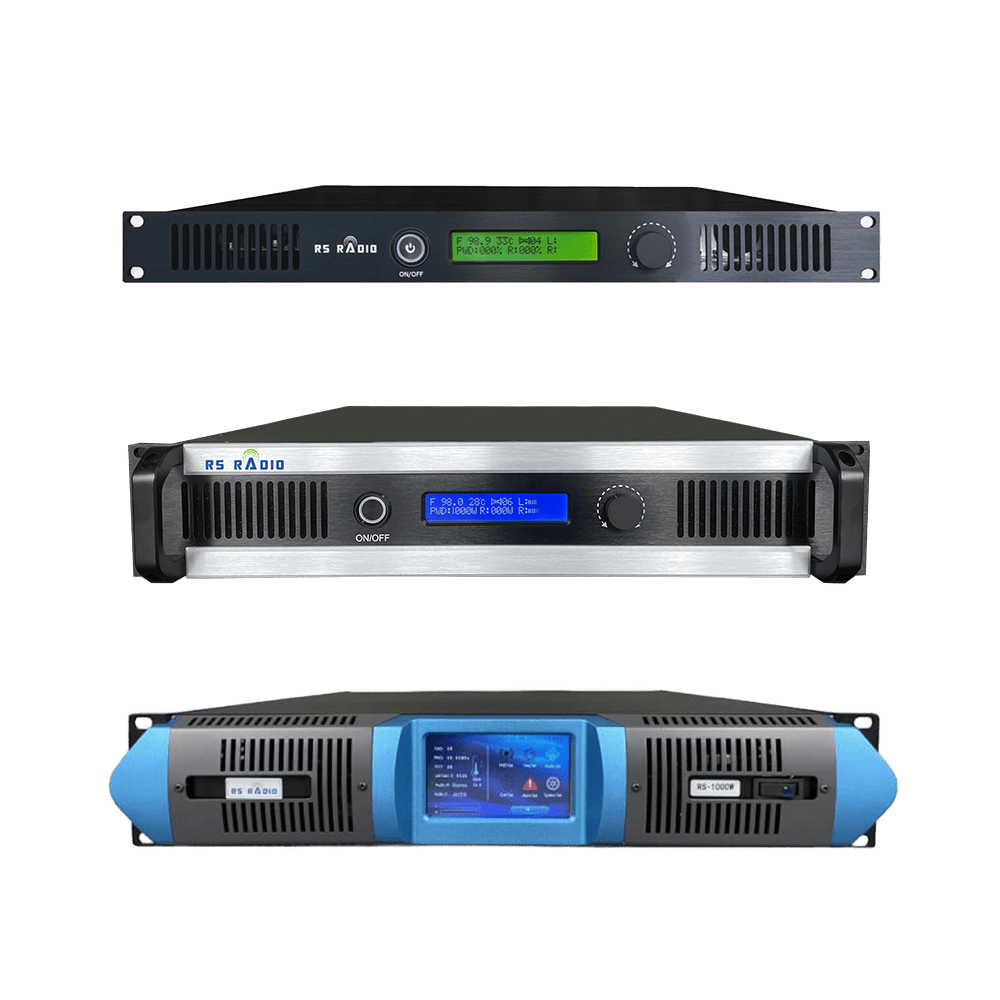
Your selection depends on coverage requirements, terrain, application, budget, timeline, and reliability needs. No single solution suits all applications. Proper matching of solution to requirements ensures project success.
I’m here to help. Contact RS for professional consultation guiding your project from initial planning through successful deployment and beyond.