How to choose the best FM transmitter for beginners?
You want to start FM broadcasting but feel overwhelmed by technical specifications. Wrong transmitter choice wastes money and causes legal problems. Beginners need simple guidance cutting through complexity.
Choose FM transmitters by determining required power (7W-200W covers 1-15km), confirming legal frequency range1 (87.5-108MHz most countries), checking license requirements2 (some countries require permits above 50W), verifying audio quality (SNR >60dB), and buying from manufacturers with 5-year warranty. RS offers beginner-friendly transmitters at https://fmradiotx.com/ with complete setup support.
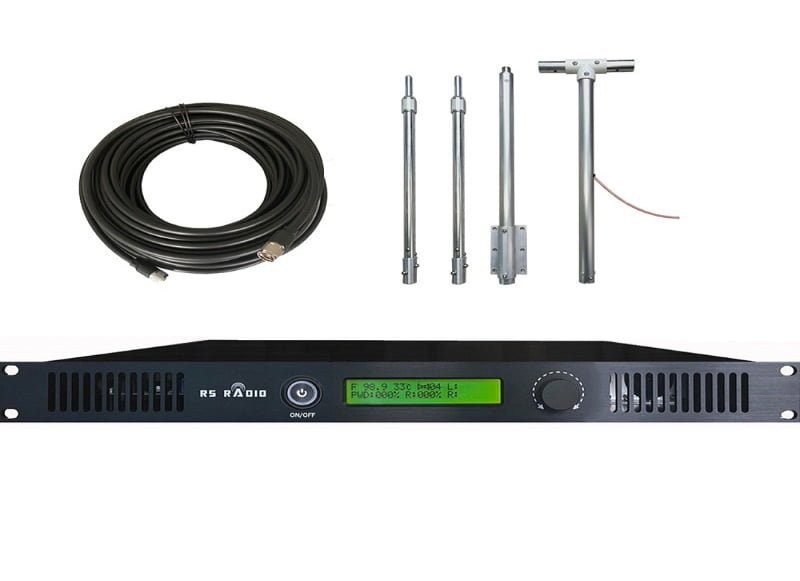
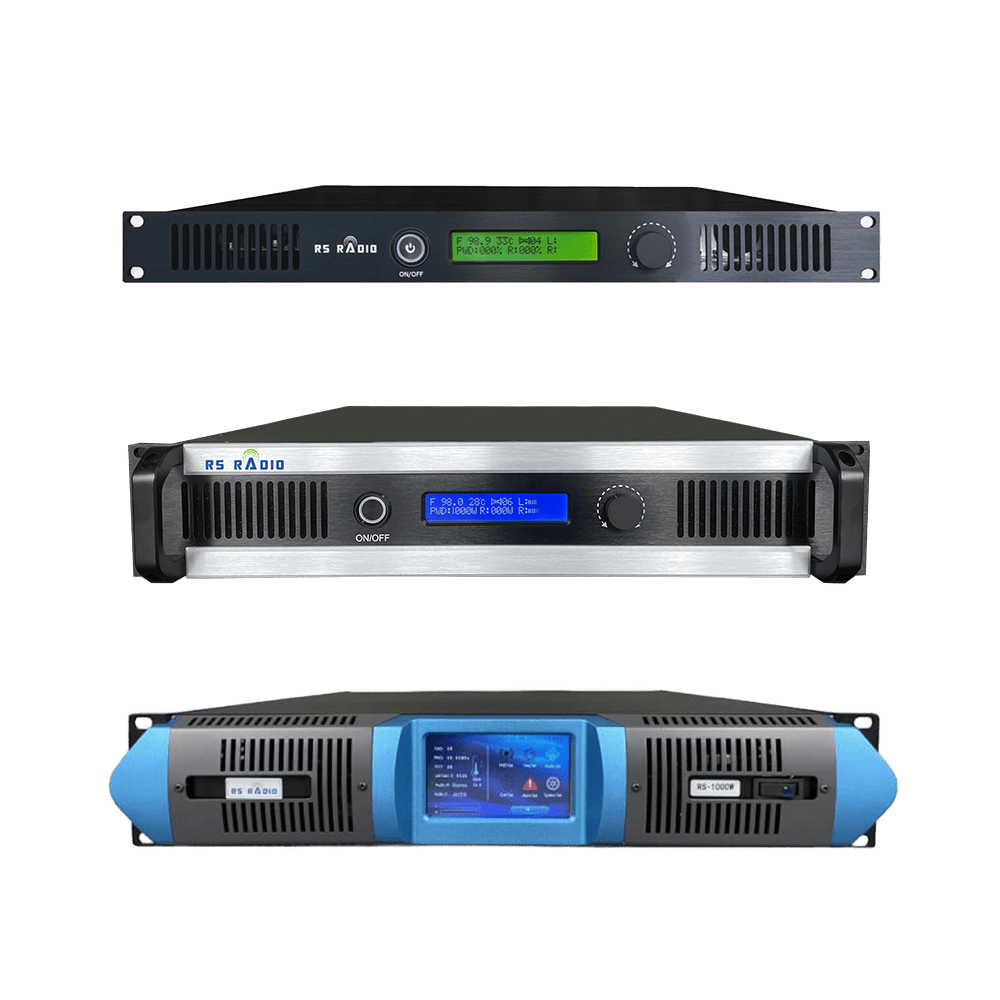
50W FM Transmitter Basic Kit
Professional-grade FM broadcast transmitter kit with stable signal and energy-efficient design — ideal for community and regional radio stations.
I help beginners daily at RS start broadcasting successfully. Most confusion comes from overthinking specifications.
What Should Beginners Know Before Buying an FM Transmitter?
Understanding basics prevents expensive mistakes and legal problems.
Beginners should know transmitter power determines coverage radius (50W covers 10km, 100W covers 15km), frequency range must match country regulations (87.5-108MHz standard), complete station needs transmitter, antenna and cable, audio input accepts microphone or music player, and setup takes 2-4 hours without technical background.
Transmitter power affects coverage directly. Higher power covers larger areas but costs more and may require licenses. Beginners typically need 7W-100W power. Small community stations use 15W-50W covering 1-5km radius. Church parking lots use 7W-15W covering 0.5-2km. School campuses use 50W-100W covering entire campus plus surrounding area. I recommend starting small with 15W-50W then upgrading later if needed.
Complete station requires three essential components. First component is FM transmitter generating RF signal. Second component is antenna radiating signal to receivers. Third component is coaxial cable connecting transmitter to antenna. Beginners often buy transmitter alone forgetting antenna and cable. RS offers complete starter kits including all three components plus mounting hardware eliminating confusion about compatibility.
Audio input options suit different applications. All transmitters accept line-level audio from smartphones, computers, or MP3 players using 3.5mm jack or RCA connectors. Advanced transmitters add XLR microphone inputs for live announcing. USB inputs allow direct computer connection. Bluetooth inputs enable wireless audio streaming. Beginners should choose transmitters matching their audio sources. RS 15W and 50W transmitters include multiple input options covering all common scenarios.
| Beginner Consideration | Specification | Typical Cost |
|---|---|---|
| Power needed | 15W-50W | $200-600 |
| Complete kit | Transmitter+antenna+cable | $300-900 |
| Setup time | DIY installation | 2-4 hours |
Frequency selection determines legal operation. Transmitters operate within specified frequency ranges. Most countries use 87.5-108MHz FM band. Some transmitters cover narrow ranges like 87.5-95MHz. Others cover full 87.5-108MHz range. Beginners should choose transmitters covering their country’s legal FM band. RS transmitters cover complete 87.5-108MHz range working in any country worldwide.
Audio quality affects listener experience. Professional transmitters deliver stereo audio with signal-to-noise ratio exceeding 60dB. Budget transmitters deliver mono audio with 40dB SNR. Beginners broadcasting music should choose stereo transmitters. Those broadcasting voice announcements can use mono transmitters saving money. RS transmitters deliver professional stereo audio quality at beginner-friendly prices.
Safety features prevent equipment damage. Over-temperature protection shuts down transmitter before overheating damage occurs. VSWR protection detects antenna problems stopping transmission preventing amplifier damage. Power supply protection handles voltage fluctuations without failure. Beginners should choose transmitters with automatic protection systems. RS transmitters include comprehensive protection activating automatically at 60°C preventing damage from installation mistakes.
How Much Power Do I Need for My Radio Coverage Area?
Wrong power wastes money or delivers insufficient coverage requiring expensive upgrades.
Power requirements depend on coverage radius: 15W covers 1–3km for school campuses and parking lots, 50W covers 3–5km for small communities, 100W covers 7–12km for towns, 300W covers 15–20km for cities, and 500W–1000W covers 20–30km for regional stations. Actual coverage varies with antenna height, obstacles, and terrain. Mount antenna 30m high minimum to achieve listed coverage.
Small area applications need minimal power. Drive-in theaters covering 300 meter parking lots use 15W transmitters. Church parking lots covering 500 meters use 15W–50W. School campuses covering 1–3km use 15W–50W. Factory announcements covering buildings use 15W. These applications save money using low power transmitters costing $249–$488 instead of overpowered expensive units.
Community broadcasting needs moderate power. Small towns covering 5–12km radius use 50W–100W transmitters. Neighborhood stations serving local residents use 50W. Religious broadcasting reaching surrounding communities uses 50W–100W. RS offers 50W transmitters at $488 and 100W transmitters at $650 perfectly matching community station budgets and coverage needs.
Coverage calculations consider multiple factors. Transmitter power provides baseline. Antenna height multiplies coverage significantly. Every additional 10 meters antenna height increases coverage radius 30–40%. Obstacles like buildings and hills reduce coverage 20–50% in blocked directions. Flat terrain delivers maximum coverage. Mountainous terrain reduces coverage significantly. I recommend calculating required power then adding 50% safety margin accounting for real-world conditions.
| Application | Coverage Radius | Recommended Power |
|---|---|---|
| Parking lot | 0.5–3 km | 15W–50W |
| Community | 5–12 km | 50W–100W |
| City | 15–30 km | 300W–1000W |
Antenna height affects coverage more than power. Installing 50W transmitter with antenna at 10 meters height covers about 3km radius. Moving antenna to 30 meters height covers 5km radius – nearly doubling coverage without increasing transmitter power. This costs $200–500 for taller mast versus $600–1000 upgrading transmitter power. I always recommend maximizing antenna height before buying higher power transmitters.
Power upgrades allow growth. Start with 50W transmitter covering initial service area. Upgrade to 100W or 300W later when expanding coverage. RS transmitters use modular design allowing power upgrades replacing only amplifier module. This costs $300–500 versus $1000–1500 buying complete new transmitter. Beginners should plan growth path choosing transmitters offering upgrade options.
Legal limits restrict maximum power. Many countries limit unlicensed operation to 50W or 100W maximum. Higher power requires broadcast licenses costing $500–5000 annually plus engineering studies. Beginners should check local regulations before buying transmitters exceeding legal limits. RS provides regulatory guidance helping customers choose legal power levels avoiding fines.
How Do I Choose the Right Frequency Range for My Country?
Wrong frequency range causes legal problems and equipment cannot operate legally.
Choose frequency range matching your country’s FM broadcast band: Most countries use 87.5-108MHz standard range, Japan uses 76-95MHz, some Eastern Europe countries use 65.8-74MHz, Russia uses 87.5-108MHz. Verify local regulations before buying. RS transmitters cover 87.5-108MHz working in USA, Europe, Africa, Asia, South America, and most worldwide markets.
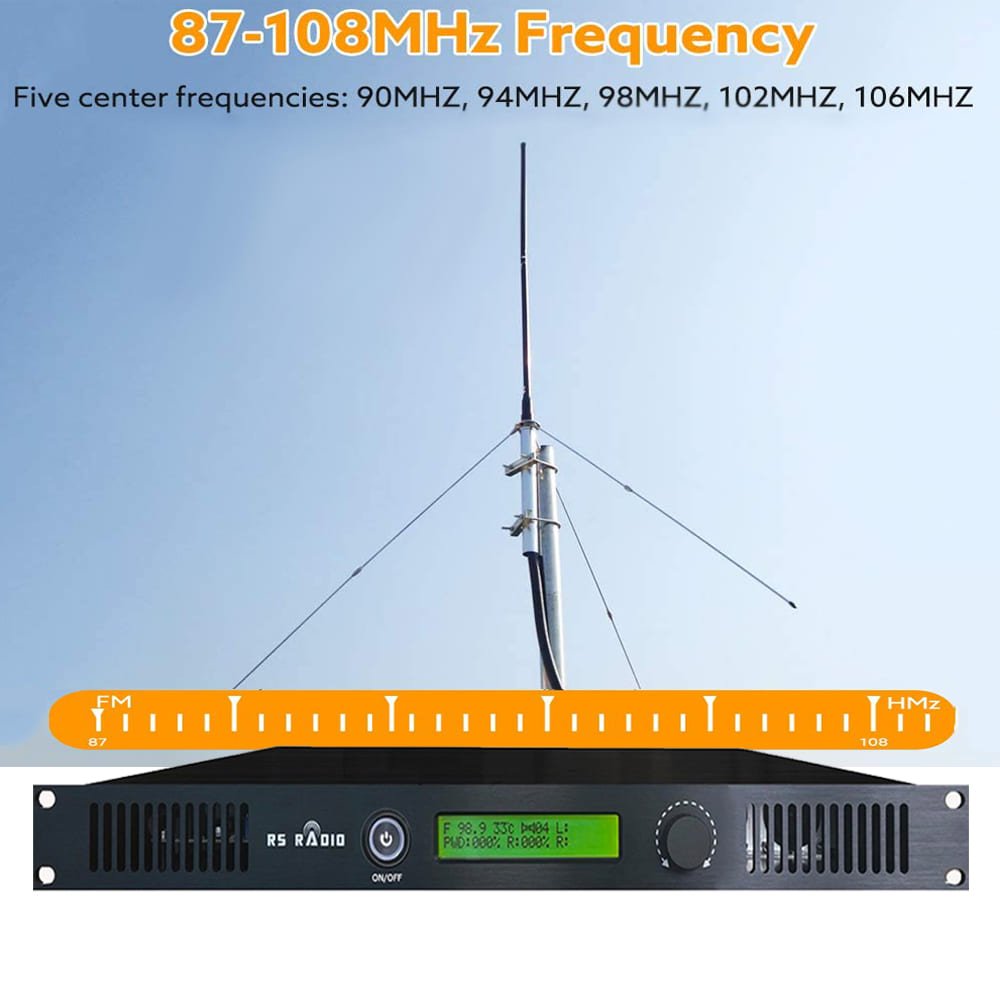
Standard FM band covers 87.5-108MHz in most countries. This includes United States, Canada, Mexico, European Union, United Kingdom, Australia, China, India, Brazil, Nigeria, Kenya, and 150+ other countries. Transmitters must tune within this range operating legally. RS transmitters cover complete 87.5-108MHz range with 0.1MHz step tuning allowing precise frequency selection avoiding interference with existing stations.
Japan uses unique 76-95MHz band for FM broadcasting. Standard 87.5-108MHz transmitters cannot operate legally in Japan. Japanese broadcasters need special transmitters covering 76-95MHz range. RS manufactures Japan-specific transmitters upon request. Beginners planning Japanese operation must specify this requirement when ordering avoiding incompatible equipment.
Some Eastern European countries use 65.8-74MHz OIRT band. Russia, Ukraine, and former Soviet countries operated this band historically. Most have transitioned to standard 87.5-108MHz band but some rural areas still use OIRT frequencies. Beginners in these countries should verify current regulations. RS recommends standard 87.5-108MHz transmitters for all new installations providing maximum compatibility.
| Country/Region | FM Frequency Range | RS Transmitter Compatible |
|---|---|---|
| USA/Europe/Africa | 87.5-108 MHz | Yes (standard) |
| Japan | 76-95 MHz | Yes (custom order) |
| Most worldwide | 87.5-108 MHz | Yes (standard) |
Frequency coordination prevents interference. Multiple stations in same area must use different frequencies separated by minimum spacing. Most countries require 0.4MHz minimum spacing. Some require 0.8MHz spacing. Check existing stations in your area before selecting frequency. Online databases list licensed stations. Drive around with FM radio scanning for active frequencies. Choose frequency with no strong stations within 0.8MHz avoiding interference.
Frequency stability ensures legal operation. Transmitter frequency must remain within ±2kHz tolerance. Temperature changes cause frequency drift. Quality transmitters use PLL frequency synthesis maintaining accurate frequency regardless of temperature. Budget transmitters use LC oscillators drifting 10-50kHz with temperature causing illegal operation and listener complaints. RS transmitters use PLL synthesis guaranteeing ±500Hz frequency stability meeting all international standards.
Future flexibility requires wide frequency range. Starting on 88MHz today may require moving to 100MHz later due to interference or regulatory changes. Transmitters covering entire 87.5-108MHz band allow easy frequency changes without equipment replacement. Narrow-range transmitters lock you into limited frequency options. I recommend wide-range transmitters for all beginners providing maximum operational flexibility.
Do I Need a License to Use an FM Transmitter?
Operating without required licenses causes heavy fines and equipment confiscation.
License requirements vary by country and power level: USA allows 100mW unlicensed, requires Part 15 compliance for low power, needs full broadcast license above 100W. Europe allows 50mW unlicensed in some countries, requires licenses above this. Most countries require licenses for any intentional broadcasting. Check national telecommunications authority before operation. RS provides regulatory guidance and FCC/CE certified transmitters meeting legal requirements.
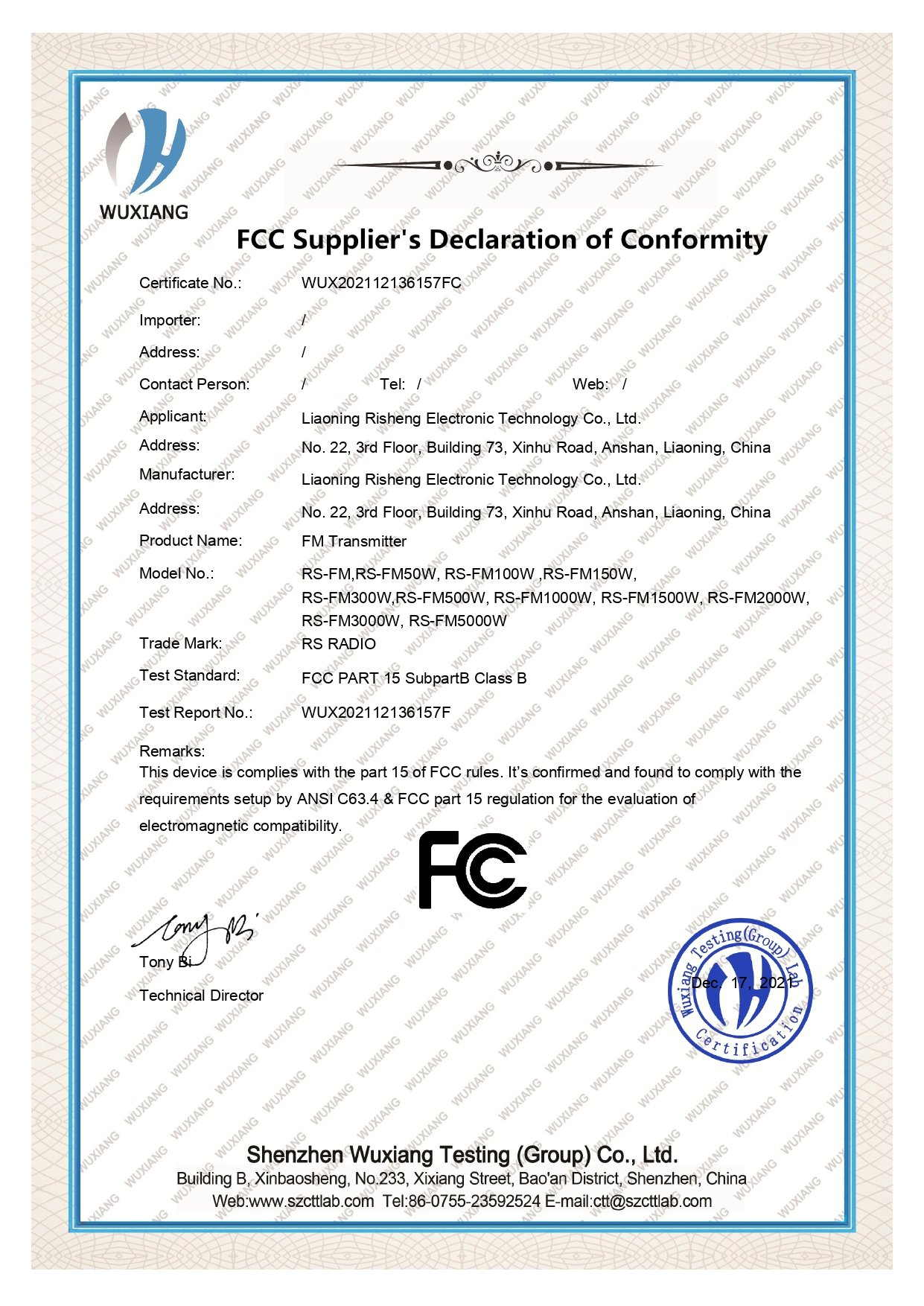
United States has complex licensing structure. FCC allows Part 15 compliant transmitters under 100mW (0.1W) without license. These cover only 50-100 meters suitable for personal use only. Low Power FM (LPFM) licenses allow 10W-100W community stations requiring application and frequency coordination. Full broadcast licenses allow unlimited power requiring engineering studies, public interest commitments, and substantial application fees. Beginners in USA should apply for LPFM licenses or use Part 15 compliant transmitters avoiding illegal operation.
European Union regulations vary by country. Some countries allow 50mW unlicensed operation. Others require licenses for any broadcasting. Germany requires licenses above 50mW. UK requires licenses for all intentional broadcasting. France allows very low power unlicensed. Spain requires licenses universally. Beginners in Europe must check specific country regulations through national telecommunications authorities. RS cannot provide legal advice but recommends consulting local authorities before purchasing equipment.
Developing countries often have relaxed enforcement. Many African, Asian, and South American countries have licensing requirements but limited enforcement. Community stations operate without licenses serving local populations. However this creates legal risk. Authorities may shut down unlicensed stations anytime especially if causing interference with licensed broadcasters. I recommend obtaining proper licenses even in countries with relaxed enforcement protecting your investment and avoiding disruption.
| Country/Region | Unlicensed Power | Licensed Requirements |
|---|---|---|
| USA | 0.1W (Part 15) | LPFM or full broadcast license |
| Europe | 0.05W (varies) | National telecom authority |
| Most worldwide | Usually none | Broadcast license required |
License application process varies significantly. USA LPFM applications occur during limited filing windows announced by FCC. Applications require engineering studies proving no interference with existing stations. Processing takes 6-12 months. Fees range $500-2000. European applications go through national authorities. Processing times vary 1-6 months. Fees range €100-€5000. Developing country applications may process quickly or take years depending on bureaucracy.
Penalties for unlicensed operation are severe. USA FCC fines range $10,000-$100,000 per violation with equipment confiscation. European fines range €1000-€50,000. Criminal prosecution possible in serious cases. Interference with aviation or emergency communications brings extreme penalties including jail time. Beginners must take licensing seriously. Operating unlicensed is not worth the risk.
Alternatives to licensing exist for some applications. Educational institutions may operate under special educational licenses. Religious organizations may qualify for special provisions. Leasing airtime on existing licensed stations avoids licensing requirements. Internet streaming provides global reach without broadcast licenses. Beginners should explore all legal options before attempting unlicensed operation.
Where Can I Buy a Reliable FM Transmitter?
Wrong supplier causes equipment failures, no support, and wasted money.
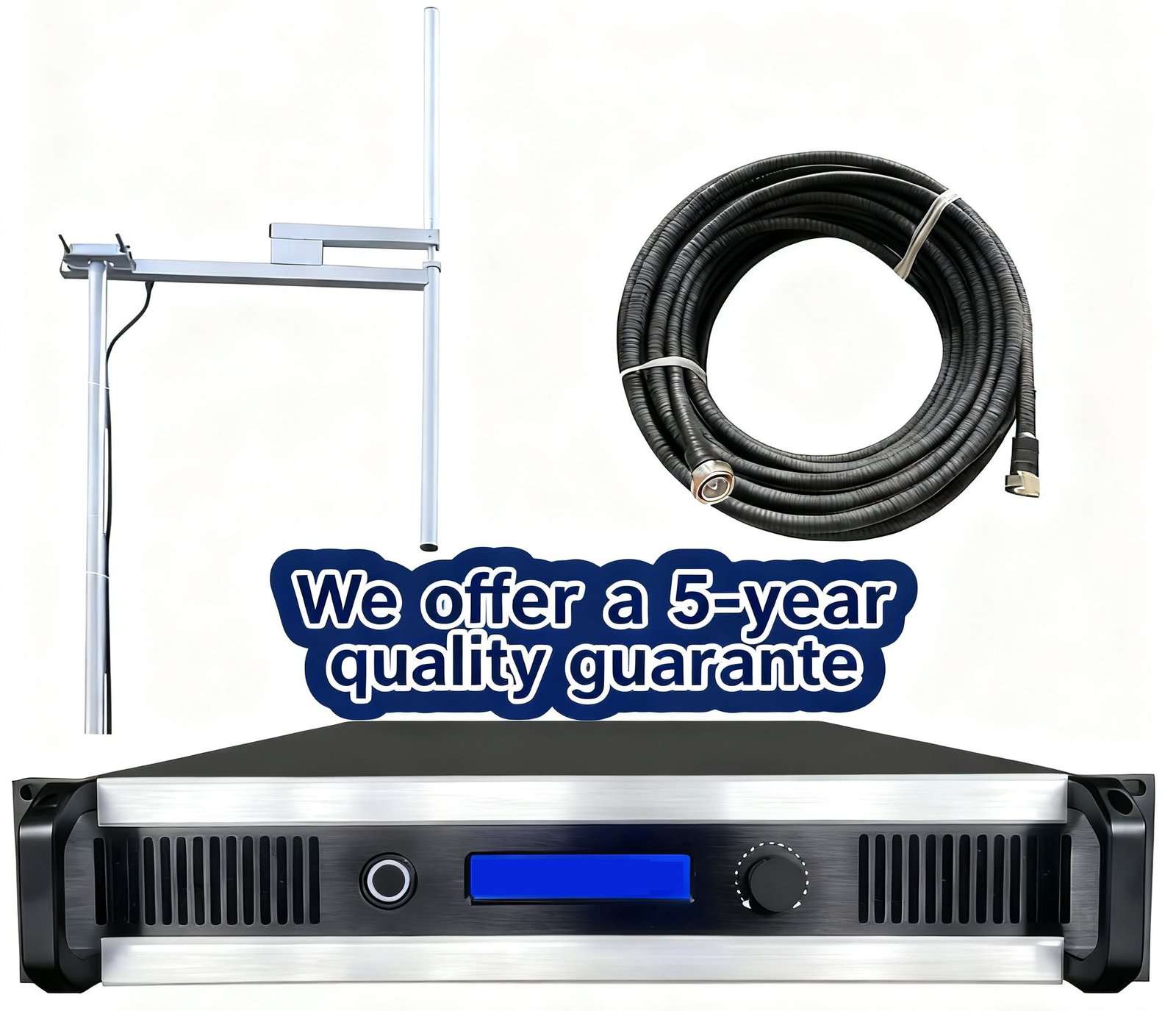
Buy FM transmitters from manufacturers offering 5-year warranty, CE/FCC certification, online technical support, complete installation guides, and direct shipping worldwide. RS manufactures transmitters at https://fmradiotx.com/ offering 7W-10KW range with 5-year warranty, free worldwide shipping, WhatsApp engineering support, and complete station packages including transmitter, antenna, and cable starting $350.
Manufacturer direct purchase saves money and ensures support. Retailers mark up prices 30-100% over manufacturer cost. Distributors add another 20-50% markup. Buying direct from manufacturers like RS eliminates middlemen saving $200-1000 per transmitter. Direct manufacturers provide better technical support understanding their products completely. They stock spare parts supporting long-term operation. Retail stores rarely provide technical support or parts.
Warranty length indicates quality confidence. Budget manufacturers offer 1-year warranties. Quality manufacturers offer 3-5 year warranties. RS offers 5-year warranty on all transmitters covering defects and failures. This warranty proves our confidence in product quality and protects customer investment. Beginners should avoid transmitters with less than 3-year warranty indicating poor quality.
Certifications prove legal compliance. FCC certification required for USA market. CE certification required for European market. These certifications prove transmitters meet safety and interference standards. Uncertified transmitters may cause interference violating regulations even if power falls within legal limits. RS transmitters carry FCC and CE certifications allowing legal sale and operation in all major markets worldwide.
| Supplier Type | Price Premium | Support Quality |
|---|---|---|
| Manufacturer direct | Base price | Excellent |
| Distributor | +30-50% | Good |
| Retail store | +50-100% | Poor |
Complete package availability simplifies purchasing. Beginners often buy transmitter alone then struggle finding compatible antenna and cable. RS offers complete station packages including transmitter, matched antenna, appropriate cable, connectors, mounting hardware, and installation instructions. Package pricing saves 15-25% versus buying components separately. Everything arrives together starting broadcast same day without compatibility concerns.
International shipping capability serves worldwide customers. Many suppliers ship only domestically. RS ships worldwide to 150+ countries using DHL, FedEx, or local postal service. Most shipments arrive within 7-15 days. Free shipping available to most countries for orders above $300. Customers in Africa, Asia, South America, and Europe receive same products and support as USA customers.
After-sales support determines long-term success. Equipment problems occur occasionally. Quality suppliers provide WhatsApp or email technical support helping customers diagnose and fix issues. RS creates dedicated WhatsApp support groups for each customer connecting them with factory engineers. Our engineers guide customers through troubleshooting step-by-step. We ship replacement parts quickly when needed. This support prevents downtime and protects customer investment.
Online presence indicates reliability. Established manufacturers maintain professional websites, social media presence, and customer reviews. Check supplier websites for technical documentation, product specifications, and contact information. Search for customer reviews on independent platforms. Avoid suppliers with no web presence or only marketplace listings. RS maintains comprehensive website at https://fmradiotx.com/ with complete product information, technical resources, and customer testimonials.
Conclusion
Choose FM transmitters by determining required power (15W-100W covers typical beginner needs), confirming legal frequency range (87.5-108MHz standard), checking license requirements in your country, and buying from manufacturers offering 5-year warranty and technical support. RS provides complete beginner FM transmitter packages at https://fmradiotx.com/ starting $350 including transmitter, antenna, cable, and installation support with free worldwide shipping and 5-year warranty.