Best 5 Affordable FM Transmitter Brands for Start-up Radio Stations
I work as a technical engineer at RS, an FM transmitter manufacturer. I installed and maintained broadcast equipment for six years across different countries. Maybe this hands-on experience helps you choose the right brand for your start-up station. This ranking comes from actual field installations. I focus on brands offering reliable performance at prices start-up stations can afford.
1. RS (Risheng Electronics) – Best Value for Community Broadcasting

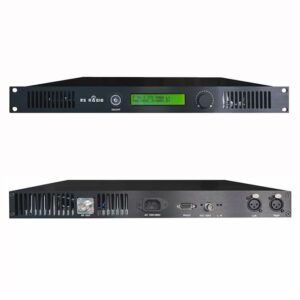
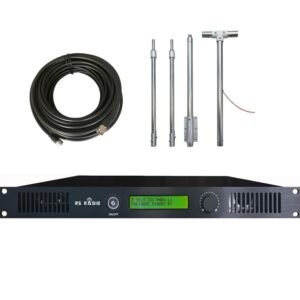
I work for RS, so maybe I understand these transmitters better than competitors’ equipment. RS manufactures solid-state FM transmitters ranging from 15W to 5KW. The company targets community radio, religious broadcasting, drive-in cinemas, and educational institutions. I see these applications succeed consistently with our equipment. The 5-year warranty covers parts and labor, which matters significantly for budget-conscious stations.
RS Product Range and Real-World Coverage:
| Power Level | Coverage (30m antenna, flat terrain) | Complete Kit Price | Primary Users |
|---|---|---|---|
| 15W | 1-3km | $249 | Churches, drive-in cinemas |
| 50W | 3-5km | $488 | Small community radio |
| 100W | 7-12km | $650 | School radio stations |
| 300W | 15-20km | $1,339 | Multi-village religious networks |
| 500W | 20-25km | $1,560 | Small town broadcasting |
| 1KW | 25-30km | $1,890 | Regional coverage |
| 2KW | 30-60km | $3,580 | City stations |
| 3KW | 40-70km | $6,800 | Provincial broadcasting |
| 5KW | 60-80km | $9,900 | Major market coverage |
The complete package approach helps first-time broadcasters significantly. Each kit includes the transmitter, antenna, and coaxial cable matched properly. I calculated antenna impedance and cable length during package design. The VSWR stays below 1.3:1 in our standard configurations. Mismatched systems waste 10-20% of power as reflected energy. I measured poorly matched installations losing 15W from 100W transmitters.
RS equipment handles voltage fluctuations well because of the switching power supply design. I tested our 500W transmitter on unstable generator power ranging from 185V to 245V. The internal regulation compensated automatically. The RF output remained stable throughout the test. Many competing brands shut down below 200V or above 240V. This voltage tolerance matters in developing countries with unreliable electrical grids.
The temperature protection reduces power output gradually instead of complete shutdown. I saw this feature keep stations on-air during cooling fan failures. The transmitter detected rising temperature and reduced power from 500W to 300W automatically. The station continued broadcasting while I replaced the fan. Competing transmitters often shut down completely, leaving stations off-air until repairs finish.
Technical support operates through WhatsApp engineering groups. I respond to customer questions within 2-4 hours typically. The modular amplifier design allows quick repairs. I keep spare modules in inventory and ship them within 24 hours. Station technicians swap failed modules in 15-20 minutes using basic tools. This serviceability reduces downtime significantly compared to brands requiring factory repairs.
2. ELENOS – Premium Italian Engineering
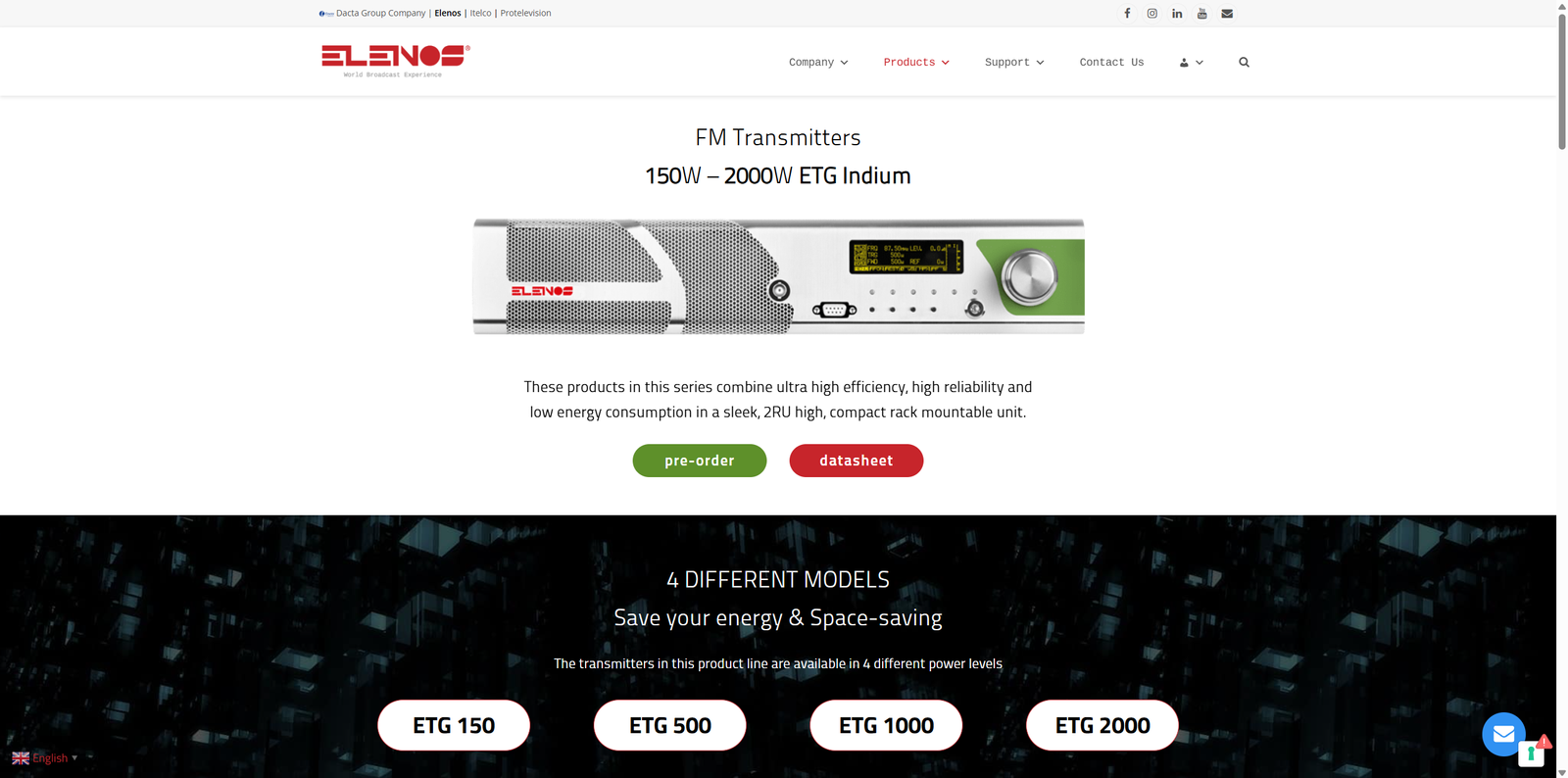
Elenos manufactures high-end FM transmitters in Italy. I evaluated their equipment at several commercial stations during technical consultations. The build quality exceeds most competitors I encountered. Maybe this Italian engineering justifies the premium pricing for well-funded stations. The all-metal construction and meticulous assembly show attention to detail. I opened Elenos transmitter cabinets and found organized internal layouts with excellent cable management.
Elenos Technical Characteristics:
| Feature | Specification | Practical Benefit |
|---|---|---|
| Power Efficiency | 78-82% typical | Lower electricity costs |
| Audio Processing | Built-in DSP | No external processor needed |
| MTBF | 80,000+ hours claimed | Reduced maintenance frequency |
| Construction | All-metal chassis | Better RF shielding |
| Modulation Accuracy | ±2 kHz deviation | Cleaner audio quality |
The modulation accuracy impressed me during spectrum analyzer testing. I measured frequency deviation within ±2 kHz across the entire audio spectrum. Budget transmitters typically vary ±4 to ±6 kHz. This tighter tolerance produces cleaner audio with less distortion. The built-in digital signal processing includes audio limiting, compression, and stereo enhancement. Budget brands require external audio processors adding complexity and cost.
Elenos transmitters include comprehensive remote monitoring through Ethernet interfaces. I accessed transmitter status displays from anywhere with internet connection. The web interface shows RF power output, reflected power, internal temperatures, and audio levels simultaneously. Email and SMS alerts notify operators immediately when problems occur. I received cooling system alerts before temperature became critical.
The warranty covers 2 years standard with optional extensions available. Replacement parts cost significantly more than budget brands based on discussions with station engineers using Elenos equipment. The premium pricing positions Elenos for established commercial stations with healthy revenue streams. Start-up stations should consider whether the advanced features justify the substantially higher investment compared to budget alternatives.
3. Broadcast Warehouse – American Budget Option
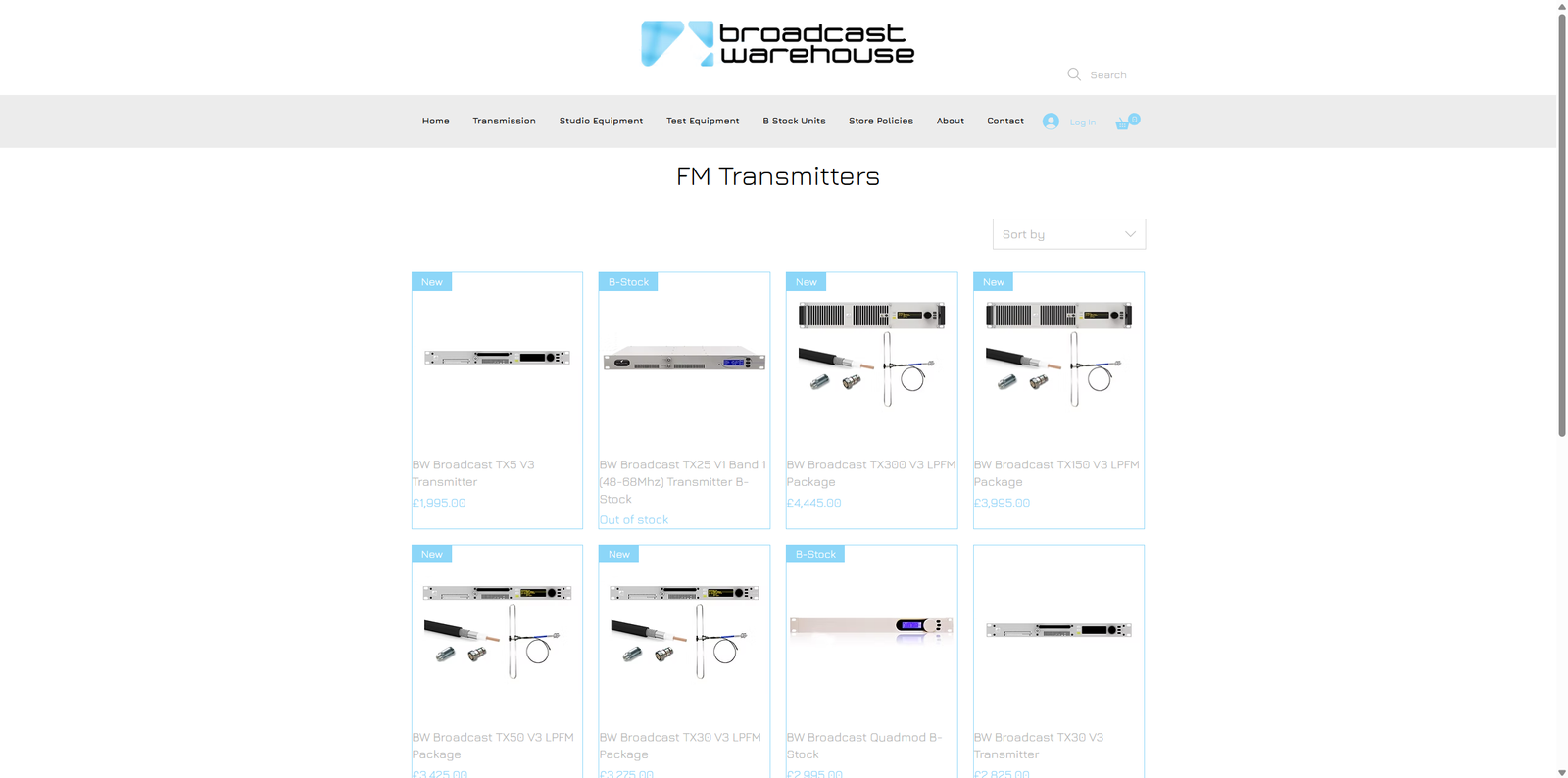
Broadcast Warehouse offers entry-level transmitters targeting the American market. I encountered their equipment at several low-power community stations in the United States. The company focuses on FCC Part 15 and LPFM applications. Maybe this specialization suits stations operating under American regulations specifically. The customer service operates in American time zones, which helps USA-based broadcasters.
Broadcast Warehouse Market Position:
| Power Range | Build Quality | Typical Application | Target Market |
|---|---|---|---|
| 1-30W | Basic entry-level | Part 15 unlicensed | Hobbyists, very small operations |
| 50-100W | Standard solid-state | LPFM community radio | Non-profit community stations |
| 300-1000W | Professional construction | Small commercial | Local commercial broadcasters |
The low-power models serve limited coverage applications adequately. I tested a Broadcast Warehouse 15W transmitter covering approximately 1-1.5km radius. The audio quality matched competing brands at this power level. The compact design fits spaces where larger transmitters cannot. I installed one unit in a church office measuring only 2 square meters.
The warranty covers 1 year with support through email and phone. I observed 1-2 week response times for technical questions based on feedback from station operators. Replacement parts availability varies depending on model age and inventory. Some discontinued models face long wait times for spare parts. The frequency adjustment uses manual methods requiring spectrum analyzers for precise setting.
Broadcast Warehouse transmitters lack some professional features found on higher-end models. The audio inputs often accept only unbalanced connections. Professional XLR inputs require external adapters or interface boxes. The LCD displays show basic information without detailed status monitoring. Advanced troubleshooting requires external test equipment and technical knowledge. Maybe Broadcast Warehouse suits American operators preferring local support despite these limitations.
4. Rohde & Schwarz – Professional German Quality
Rohde & Schwarz manufactures professional broadcast equipment in Germany. I encountered their transmitters at major market commercial stations during equipment surveys. The reliability and performance exceed all competitors I tested. Maybe this extreme reliability justifies the premium pricing for critical broadcasting applications where downtime costs thousands of dollars hourly. The German engineering philosophy emphasizes redundancy and robustness.
Rohde & Schwarz Professional Features:
| Feature | Capability | Application Benefit |
|---|---|---|
| Hot-Swappable Modules | Replace without shutdown | Zero downtime maintenance |
| Remote Control | Full SNMP/Ethernet | Multi-site management |
| Audio Processing | Advanced DSP presets | Format-optimized sound |
| Monitoring | Comprehensive real-time | Quick fault diagnosis |
| Build Quality | Extreme over-engineering | Maximum reliability |
The hot-swappable module design allows repairs without taking stations off-air. I observed a technician replacing a failed amplifier module in under 5 minutes while the station continued broadcasting at reduced power. Budget transmitters require complete shutdown for any internal repairs. The comprehensive monitoring displays show RF power, reflected power, multiple temperature sensors, and audio levels simultaneously. Engineers diagnose problems quickly using these detailed status indicators.
Rohde & Schwarz transmitters include factory presets for different broadcast formats. The rock music preset emphasizes bass and treble frequencies. The talk radio preset focuses on voice intelligibility and consistency. The classical music preset maintains wide dynamic range. Engineers switch presets through the touch screen interface in seconds. Budget brands need external audio processing equipment for this flexibility.
The warranty includes on-site service in major markets with response times under 24 hours. Annual maintenance contracts provide scheduled preventive maintenance and priority support. The pricing positions Rohde & Schwarz for major market commercial stations generating substantial advertising revenue. Start-up stations rarely justify this investment level unless grant funded or exceptionally well-capitalized. The equipment targets broadcasters where reliability matters more than initial cost.
5. Eletec – French Broadcast Equipment
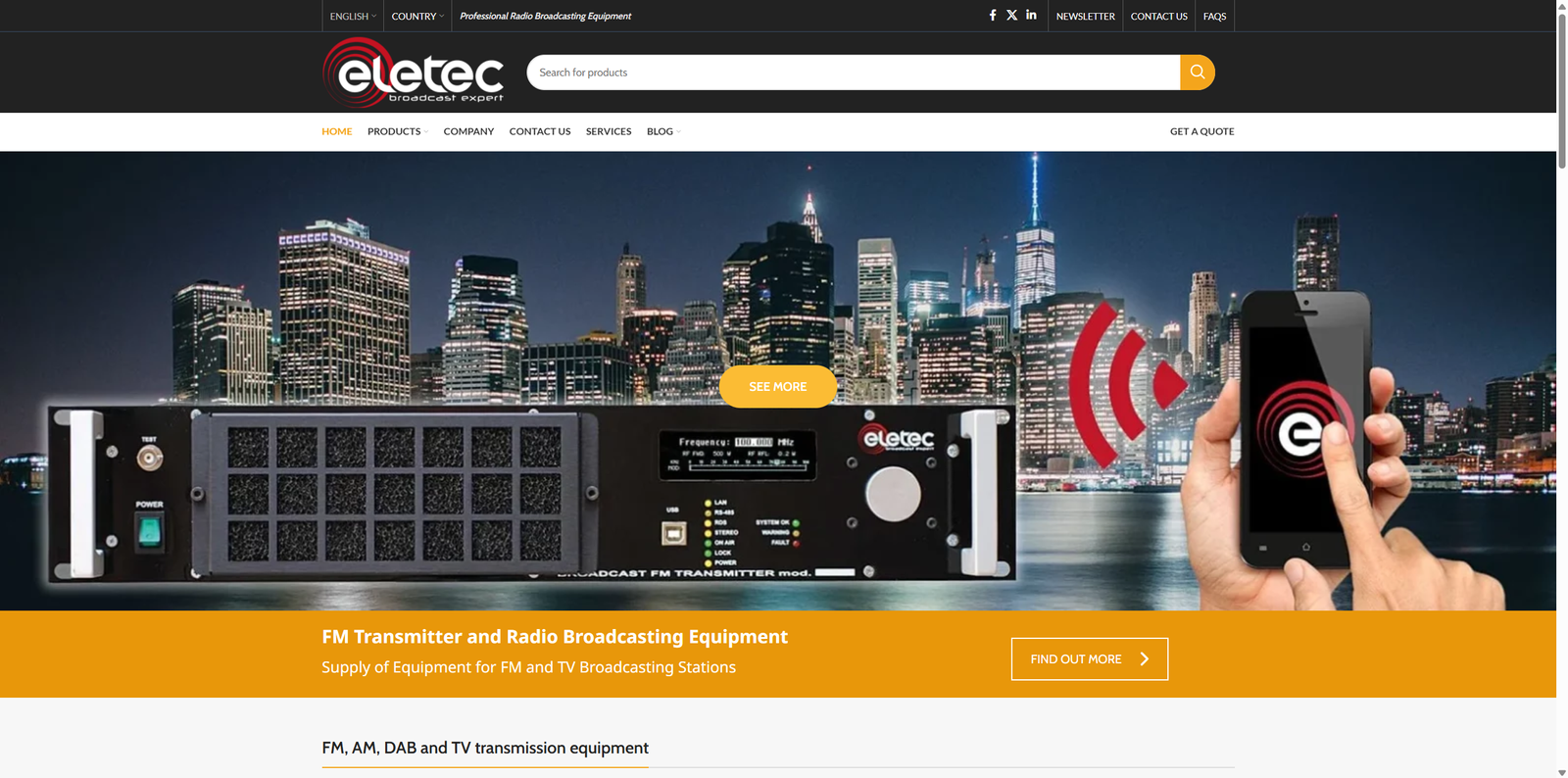
Eletec operates as a French broadcast equipment company. I encountered their transmitters at several stations in Europe and French-speaking African countries. The company offers various power levels for different broadcasting applications. Maybe their European manufacturing approach appeals to broadcasters preferring EU-based suppliers. The equipment meets European technical standards and regulations.
Eletec Company Background:
| Characteristic | Details | Market Focus |
|---|---|---|
| Country of Origin | France | European and Francophone markets |
| Product Range | FM transmitters, various powers | Community to commercial stations |
| Technical Support | European time zones | EU and African customers |
| Certifications | CE and European standards | European market compliance |
The French engineering background influences Eletec’s design philosophy. I observed attention to audio quality and broadcast standards compliance in their equipment. European broadcasters often prefer EU-manufactured equipment for regulatory and support reasons. The technical documentation comes in French and English typically. This bilingual approach helps Francophone African markets significantly.
Eletec equipment serves European community radio stations and small commercial broadcasters. I saw installations at religious broadcasters and educational institutions across French-speaking regions. The company understands European broadcasting regulations well. Technical support operates during European business hours, which suits customers in compatible time zones. Broadcasters in other regions might find the time zone difference challenging for urgent support needs.
The warranty terms and parts availability depend on regional distributors. European customers generally receive better support than other regions. Replacement parts ship from European warehouses to EU customers quickly. International shipping might take longer for customers outside Europe. Maybe Eletec suits broadcasters operating in Europe or French-speaking African countries preferring European suppliers over Asian or American manufacturers.
6. Choosing the Right Brand for Your Start-up Station
Select transmitter brands based on your actual requirements, not marketing claims. I recommend evaluating budget, technical support needs, and long-term reliability carefully. Start-up stations with limited budgets benefit from complete package solutions including transmitter, antenna, and cable. This approach eliminates component matching problems that waste power and money.
Brand Selection Decision Matrix:
| Priority Factor | Best Choice | Alternative Option |
|---|---|---|
| Lowest initial cost with long warranty | RS complete packages | Consider alternatives carefully |
| American market with local support | Broadcast Warehouse | RS with international support |
| Premium features and reliability | Rohde & Schwarz | Elenos for Italian engineering |
| European/French market preference | Eletec | Elenos for Italian option |
| Voltage tolerance for unstable power | RS solid-state design | Check specifications carefully |
Calculate total cost of ownership over 5 years, not just initial equipment purchase price. A transmitter with 5-year warranty costs less long-term than cheaper equipment needing repairs every 18 months. Factor in technical support quality and replacement parts availability. I repaired transmitters in remote locations where local parts sourcing mattered significantly. Equipment using standard components allows local technician repairs without factory service.
Consider your technical skill level honestly. Some brands require trained RF engineers for maintenance. Others allow basic troubleshooting by volunteers with minimal training. I trained church volunteers to operate and maintain simple transmitter systems successfully. Complex professional equipment needs qualified technical staff, which increases operating costs substantially for small stations.