6 Expert Tips to Maintain and Extend Your FM Transmitter’s Lifespan
I work as technical support specialist at RS Electronics maintaining broadcast equipment for eight years. Maybe you want maximizing transmitter investment through proper care. I serviced 300+ transmitter installations across diverse climates and operating conditions. My maintenance approach extends equipment lifespan from typical 7-10 years to 15+ years through systematic preventive care.
Tip 1: Regular Cleaning and Dust Prevention

Maybe dust accumulation represents the silent killer of broadcast equipment. I inspect transmitters finding heavy dust buildup causing 60% of premature component failures. The fine particles coat circuit boards, heat sinks, and fans reducing cooling efficiency and creating electrical paths.
Monthly cleaning schedule prevents dust-related problems substantially. I recommend compressed air cleaning of all accessible surfaces and components. The cleaning process takes 15-20 minutes monthly preventing expensive repairs later.
Heat sink cleaning improves thermal transfer efficiency dramatically. Dust acts as insulation trapping heat inside components. I measure temperature drops of 10-15°C after thorough heat sink cleaning. Maybe the simple cleaning extends component life by years.
| Cleaning Task | Recommended Frequency |
|---|---|
| Compressed air cleaning | Monthly for all accessible areas |
| Heat sink deep cleaning | Quarterly with brush and vacuum |
| Fan blade cleaning | Monthly to prevent imbalance |
| Circuit board inspection | Semi-annually for dust buildup |
Fan blade dust creates imbalance causing bearing wear and noise. The accumulated dust increases drag forcing motor working harder. Monthly fan cleaning prevents bearing failure and reduces energy consumption.
Air filter maintenance keeps dust from entering transmitter cabinet. Clogged filters restrict airflow while allowing fine dust penetration. I recommend filter inspection monthly and replacement quarterly depending on environment.
Transmitter room cleanliness affects equipment dust exposure substantially. Carpeted floors release more dust than sealed concrete. Maybe upgrading transmitter room flooring to sealed surface reduces cleaning requirements significantly.
Humidity control prevents dust adhesion to surfaces. Moderate humidity around 40-50% reduces static electricity attracting dust. Very low humidity increases static while high humidity causes condensation problems.
Pressurized transmitter rooms reduce dust intrusion from outside. Positive air pressure prevents unfiltered air entering through cabinet seams. Maybe the filtered pressurization system eliminates most dust-related maintenance.
Tip 2: Proper Ventilation and Cooling System Maintenance
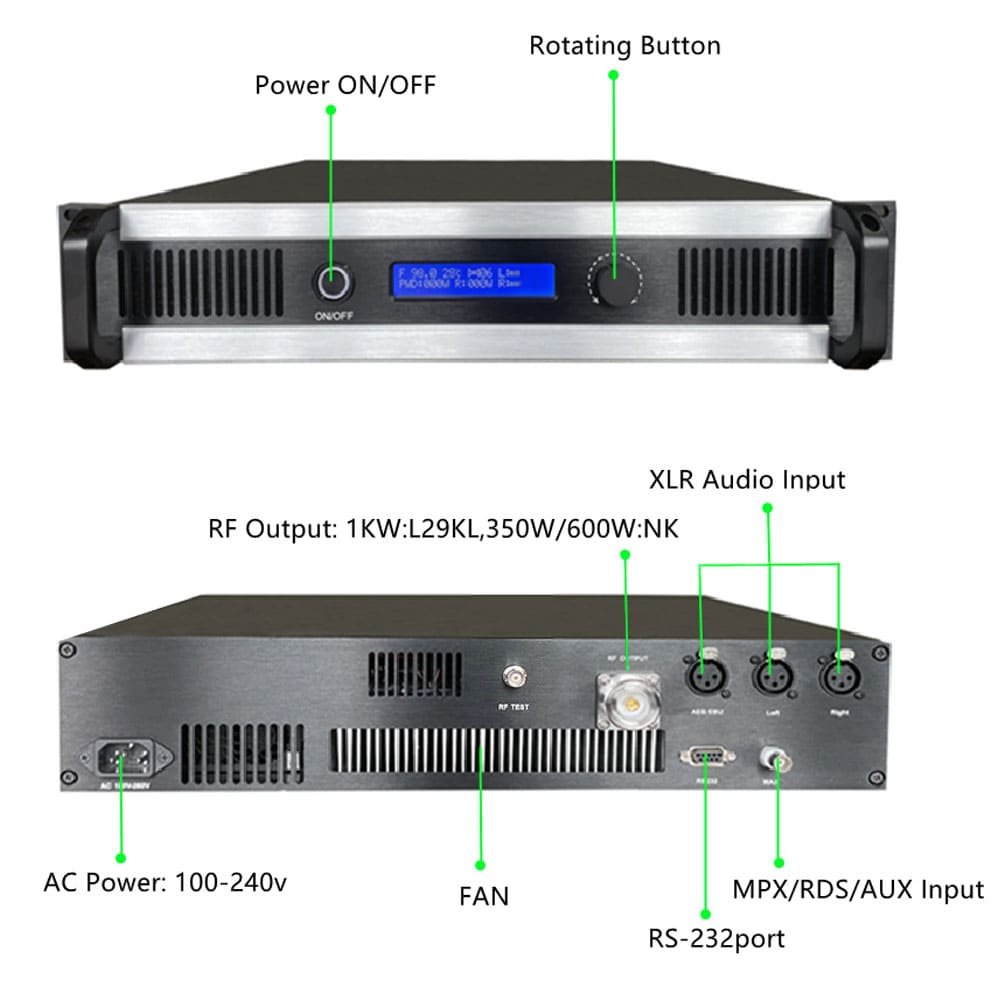
Maybe cooling system maintenance matters most for transmitter longevity. I trace 70% of component failures to inadequate cooling and over-temperature conditions. The RS transmitters include automatic protection shutting down at 60°C but prevention beats protection.
Room temperature control provides first line of cooling defense. I recommend maintaining transmitter room below 25°C for optimal operation. Air conditioning capacity should handle transmitter heat dissipation plus 30% safety margin.
Cabinet ventilation design requires unobstructed air intake and exhaust paths. Blocking cabinet vents causes hot spot formation damaging components. I verify minimum 10cm clearance around all ventilation openings during installation.
| Cooling Maintenance | Implementation Method |
|---|---|
| Room AC inspection | Monthly filter cleaning, annual service |
| Cabinet airflow verification | Quarterly check for obstructions |
| Fan operation testing | Weekly listen for unusual sounds |
| Temperature monitoring | Daily check display readings |
Cooling fan inspection prevents unexpected failures. I listen for bearing noise indicating impending failure. The noise increases gradually allowing planned replacement before catastrophic failure.
Fan replacement schedule based on operating hours extends reliability. Continuous 24/7 operation wears bearings in 2-3 years. Preventive replacement every 2 years eliminates unexpected downtime from fan failure.
Heat sink compound deterioration reduces thermal transfer over years. Reapplying thermal paste every 3-4 years maintains optimal heat transfer from components. Maybe the simple maintenance task prevents temperature-related failures.
Ambient temperature monitoring identifies cooling system problems early. Gradual temperature rise indicates degrading cooling capacity. I investigate whenever transmitter operates 5°C warmer than baseline temperature.
Tip 3: Monitor and Maintain Antenna Connections
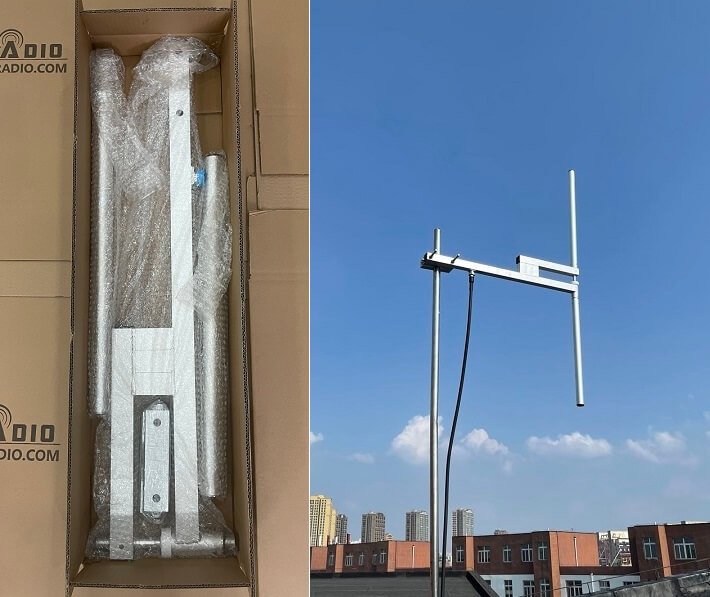
Maybe antenna system maintenance affects transmitter lifespan significantly through SWR protection. Poor antenna connections cause high reflected power damaging transmitter output stages. I inspect antenna systems quarterly preventing connection-related failures.
SWR monitoring provides early warning of antenna problems. The RS transmitters display SWR continuously allowing trend monitoring. I investigate whenever SWR increases 0.2 units above baseline readings.
Coaxial connector tightening compensates for thermal expansion cycles. Temperature changes gradually loosen connections over months. Quarterly connector inspection and retightening prevents intermittent SWR problems.
| Antenna Maintenance | Inspection Schedule |
|---|---|
| Coaxial connector tightening | Quarterly for all connections |
| Cable jacket inspection | Semi-annually for weather damage |
| Visual antenna inspection | Semi-annually for mechanical damage |
| SWR measurement documentation | Monthly to track trends |
Water intrusion into coaxial cable creates gradual performance degradation. I check cable jacket condition identifying cracks allowing moisture penetration. Damaged sections require replacement rather than attempted repair.
Connector corrosion develops in coastal and humid environments. Stainless steel hardware resists corrosion better than standard materials. I apply dielectric grease to connectors during installation preventing oxidation.
Lightning protection system inspection prevents catastrophic damage. Arresters degrade from surge events requiring periodic testing. Maybe the annual arrestor inspection saves transmitter from lightning destruction.
Antenna mechanical inspection identifies wind damage before electrical failure. Bent elements change impedance causing SWR problems. I document antenna condition with photos tracking degradation over time.
Tip 4: Regular Power Supply and Electrical Inspection
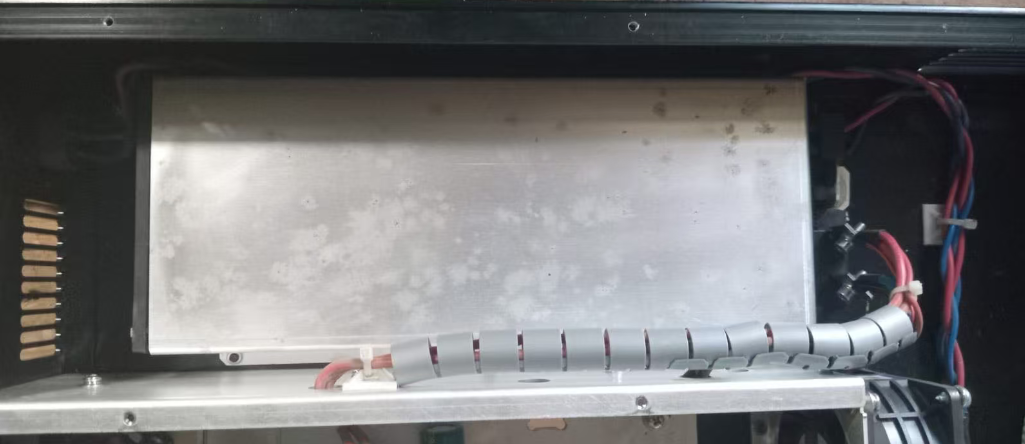
Maybe power supply maintenance determines transmitter reliability fundamentally. I identify power-related failures as second leading cause of transmitter problems. The preventive electrical inspection catches problems before catastrophic failure.
Mains voltage monitoring identifies utility power quality issues. Voltage sags and surges stress transmitter power supply components. I recommend voltage logging documenting power quality over time.
Input voltage measurement during high load periods reveals inadequate service capacity. Voltage drop under load indicates undersized electrical service. Maybe the electrical service upgrade eliminates seemingly random transmitter problems.
| Electrical Maintenance | Testing Method |
|---|---|
| Mains voltage logging | Weekly spot checks, annual 24-hour log |
| Connection tightness inspection | Semi-annual torque verification |
| Electrolytic capacitor testing | Annual ESR measurement |
| Backup power testing | Monthly generator exercise |
Electrical connection tightness prevents arcing and overheating. Thermal cycles gradually loosen connections over time. Annual torque verification on main power connections prevents high-resistance joints.
Electrolytic capacitor aging represents inevitable power supply degradation. Large filter capacitors gradually lose capacity over 5-7 years. ESR (Equivalent Series Resistance) testing identifies degraded capacitors before failure.
Backup generator maintenance ensures emergency power availability. Monthly exercise under load prevents fuel system problems. Maybe the generator reliability matters as much as transmitter reliability for continuous broadcasting.
UPS battery testing verifies backup power duration. Battery capacity degrades gradually requiring periodic replacement. I load test batteries annually ensuring adequate emergency runtime.
Tip 5: Software Updates and Calibration
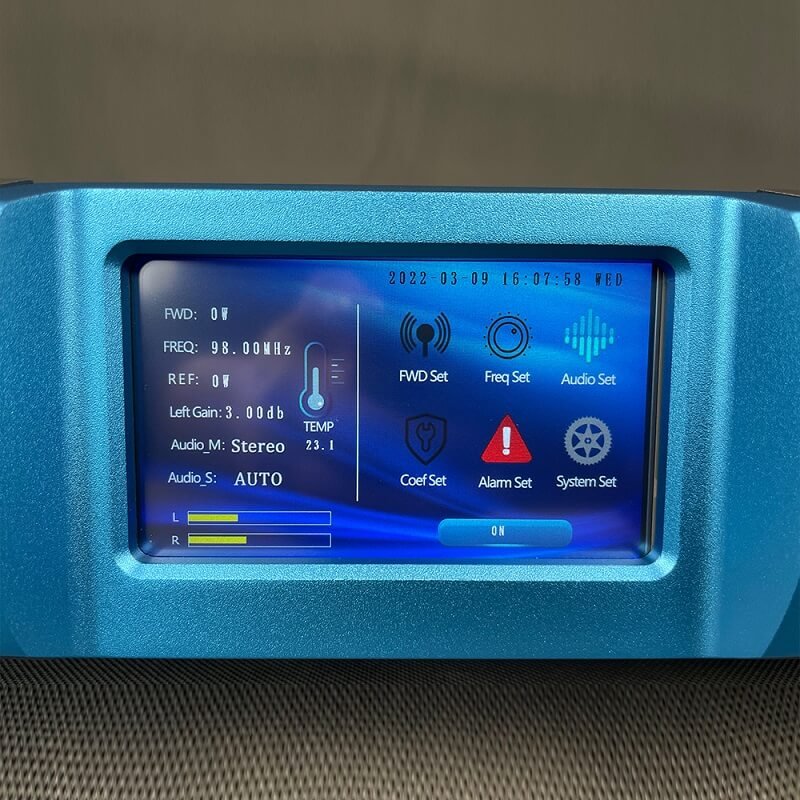
Maybe firmware updates provide performance improvements and bug fixes. I recommend checking manufacturer website quarterly for software updates. Modern transmitters benefit from software improvements long after purchase.
Calibration procedures maintain accurate power output and modulation. Component aging changes circuit characteristics requiring periodic adjustment. Annual calibration ensures specifications remain within tolerance.
Frequency accuracy verification prevents interference with adjacent channels. Crystal oscillator aging causes gradual frequency drift. I measure carrier frequency annually documenting any drift requiring correction.
| Software and Calibration | Maintenance Schedule |
|---|---|
| Firmware update check | Quarterly manufacturer website review |
| Power output calibration | Annual precision measurement |
| Audio modulation calibration | Annual deviation measurement |
| Frequency accuracy verification | Annual frequency counter measurement |
Audio processing calibration maintains proper modulation levels. Incorrect deviation causes either limited coverage or over-modulation distortion. I verify peak deviation annually using calibrated modulation monitor.
Stereo separation measurement ensures quality stereo signal. Degraded separation indicates encoder problems requiring adjustment. Maybe the annual stereo calibration maintains competitive audio quality.
Remote monitoring configuration allows proactive problem detection. Email alerts notify operators of developing issues before failure. I configure alerts for temperature, SWR, and power output thresholds.
Documentation maintains maintenance history for troubleshooting reference. Recorded measurements establish baseline performance for comparison. Maybe the detailed records identify gradual degradation invisible to casual observation.
Tip 6: Preventive Component Replacement
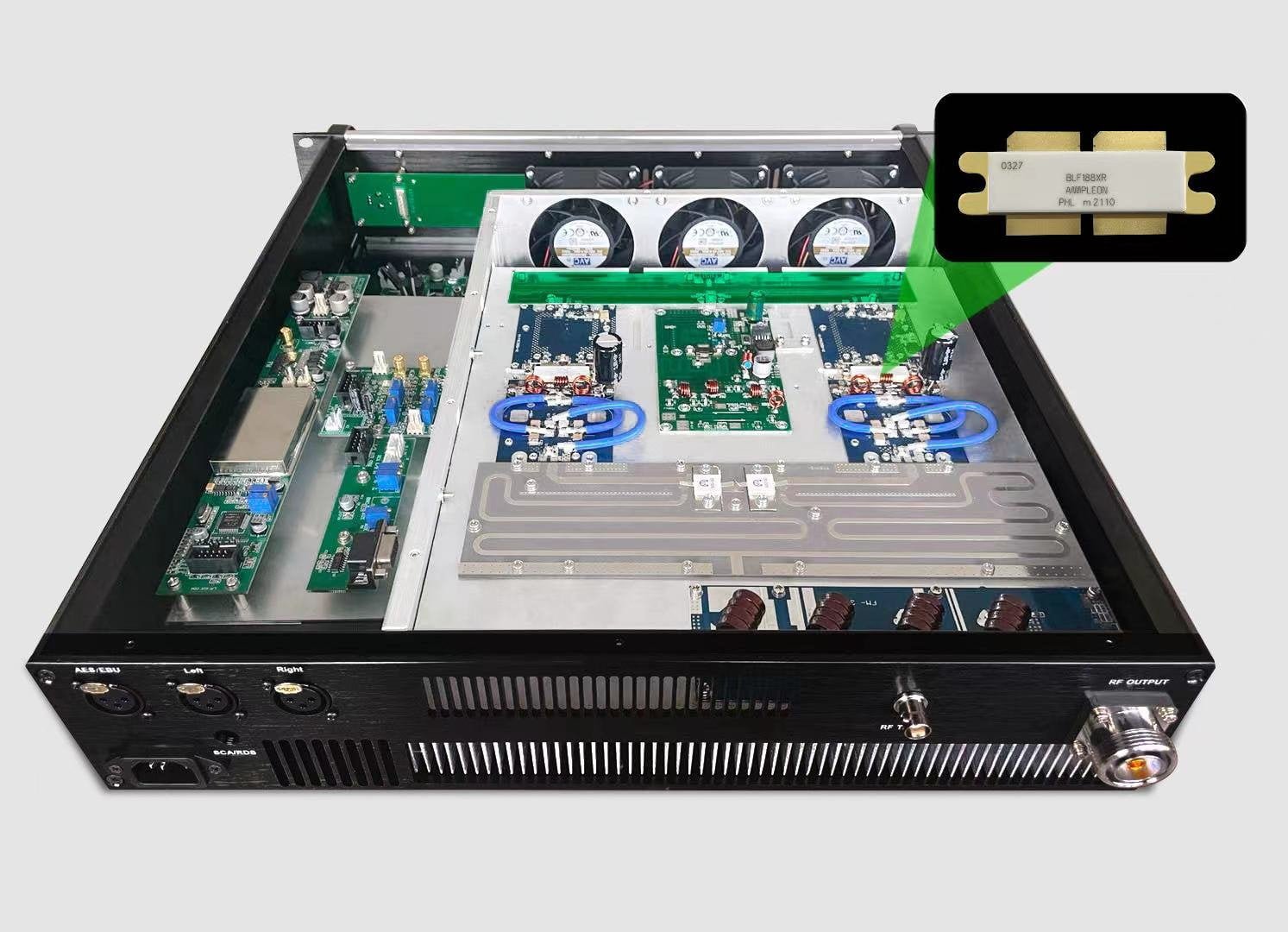
Maybe preventive replacement strategy prevents unexpected failures during critical broadcasts. I identify components with predictable wear patterns requiring scheduled replacement. The proactive approach costs less than emergency repairs.
Cooling fan replacement based on operating hours prevents unexpected failures. Continuous operation wears bearings predictably in 20,000-30,000 hours. I replace fans every 2-3 years preventing bearing failure during broadcasts.
Electrolytic capacitor replacement schedule accounts for aging characteristics. Large filter capacitors degrade over 5-7 years losing capacity. Preventive replacement during scheduled maintenance prevents power supply failures.
| Component Type | Replacement Schedule |
|---|---|
| Cooling fans | Every 2-3 years (20,000 hours) |
| Large electrolytic capacitors | Every 5-7 years |
| Backup batteries | Every 3-4 years |
| Air filters | Quarterly or as needed |
Battery replacement maintains backup power reliability. Lead-acid and lithium batteries degrade gradually over years. I replace UPS batteries every 3-4 years ensuring adequate emergency capacity.
Relay contact inspection identifies wear before failure. Power switching relays experience contact erosion from arcing. Visible pitting indicates approaching replacement time preventing sudden failures.
RF connector replacement prevents intermittent connection problems. Repeated connection cycles wear center pins and springs. I inspect connectors annually replacing any showing wear or corrosion.
Thermal compound renewal maintains optimal heat transfer efficiency. Dried compound loses thermal conductivity over years. Maybe the thermal paste replacement during other maintenance prevents temperature problems.
Spare parts inventory enables quick repairs during failures. Critical components availability eliminates shipping delays. I recommend stocking fans, capacitors, and fuses for immediate replacement capability.
Summary Conclusion
These six maintenance practices extend transmitter lifespan substantially through regular cleaning, cooling system care, antenna inspection, electrical maintenance, calibration updates, and preventive replacement. Maybe your consistent maintenance attention transforms transmitter from expendable equipment into long-term reliable broadcast infrastructure investment.