5KW FM Transmitter: Performance, Specs & Applications
I work as a technical engineer at RS Electronics and support 5KW FM transmitter installations worldwide. Maybe you wonder how I know these high-power systems so well. I handle quality testing, coordinate major broadcasting projects, and collect performance feedback from commercial stations across five continents. This guide reflects real 5000W transmitter capabilities I witness daily.
Understanding 5KW FM Transmitter Power and Coverage
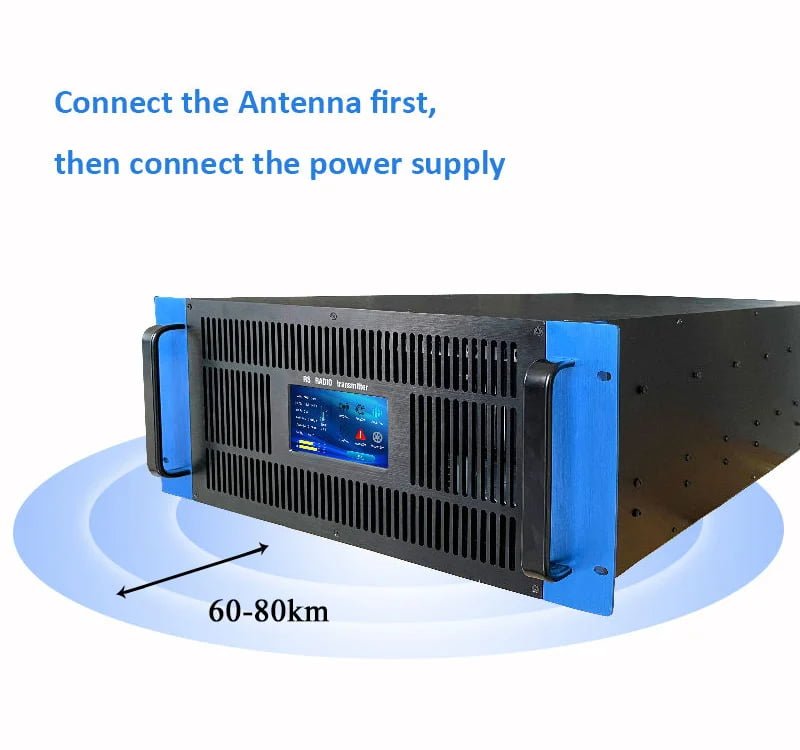
Maybe the 5000W power level represents the professional broadcasting standard for major market coverage. I help customers understand how 5KW transmitters deliver 60-80km coverage radius on flat terrain with proper antenna placement. The extended range serves metropolitan areas and regional broadcasting operations effectively.
Coverage calculations depend heavily on antenna height and terrain characteristics. A 30-meter antenna mounting height provides baseline coverage expectations. Maybe the actual range varies significantly based on geographic factors and obstacles.
| Coverage Factor | Impact on Range | Optimization Strategy |
|---|---|---|
| Antenna Height | Major | Mount at maximum safe height |
| Terrain Type | Major | Survey coverage area |
| Antenna Design | Moderate | Use directional if needed |
| Frequency Selection | Minor | Choose optimal channel |
Urban environments reduce effective coverage compared to rural flat terrain. Building density and structures absorb signal strength significantly. I help city broadcasters plan realistic coverage expectations for metropolitan markets.
The 60-80km range serves populations exceeding several hundred thousand listeners. Commercial radio stations choose 5KW for dominant market presence. Maybe the investment makes sense for established broadcasting operations with substantial audiences.
Power efficiency at 5000W level affects operational costs meaningfully. Monthly electricity consumption becomes significant budget consideration. Modern transmitter designs optimize power conversion reducing operational expenses.
Backup power requirements increase proportionally with transmitter wattage. Commercial operations install generator systems supporting continuous 5KW operation. Maybe the infrastructure investment equals transmitter equipment costs for complete reliability.
Technical Specifications of Professional 5KW Systems
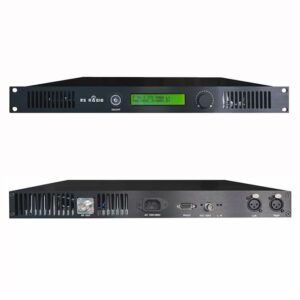
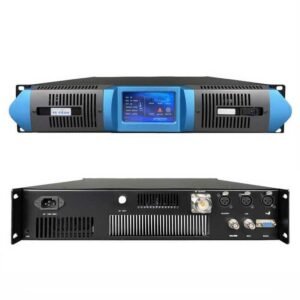
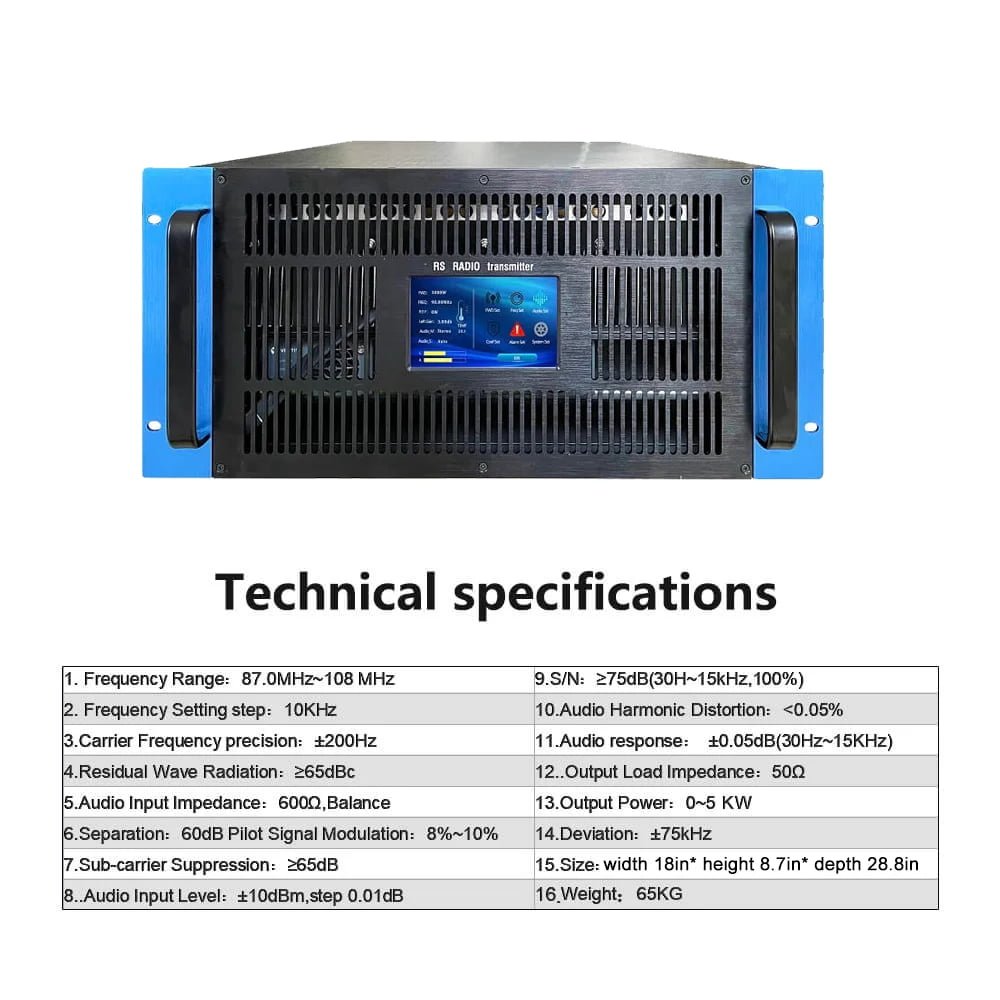
Maybe the technical specifications define 5000W transmitter professional performance capabilities. I verify these parameters during factory testing before shipping to customers. The specifications ensure compliance with international broadcasting standards and regulatory requirements.
Frequency range covers complete FM band from 87.0MHz to 108MHz. The 10KHz stepping allows precise channel selection within allocated spectrum. Digital frequency synthesis maintains carrier stability better than older analog designs.
| Technical Parameter | Specification | Significance |
|---|---|---|
| Frequency Range | 87.0-108MHz | Complete FM band |
| Frequency Step | 10KHz | Precise tuning |
| Carrier Precision | ±200Hz | Stable signal |
| Output Impedance | 50Ω | Standard matching |
| Audio Distortion | <0.1% | High fidelity |
| S/N Ratio | >75dB | Clean audio |
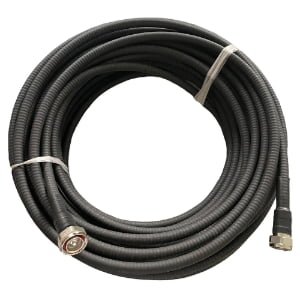
Output impedance standardizes at 50Ω matching broadcast antenna systems globally. The N-type female connector provides reliable high-power RF connection. I recommend quality coaxial cable for transmitter-to-antenna runs minimizing power loss.
Audio performance specifications ensure professional broadcast quality sound. Total harmonic distortion below 0.1% maintains signal clarity. Maybe the clean audio reproduction differentiates professional transmitters from consumer equipment.
Stereo separation exceeding 60dB preserves spatial audio information effectively. The pilot tone modulation maintains 8-10% for proper stereo decoding. Subcarrier suppression prevents interference with stereo signal.
Power supply accepts universal voltage inputs from 90-264VAC or 127-370VDC. The flexibility accommodates different electrical systems internationally. Power factor correction improves efficiency and reduces electrical system loading.
Operating temperature range from -10°C to 45°C covers most global climates. Thermal management systems maintain component temperatures within safe limits. Maybe the robust cooling prevents shutdowns during extreme weather conditions.
Advanced DSP Technology and Audio Processing
Maybe the digital signal processing technology separates modern 5KW transmitters from older designs. I explain DSP advantages to customers upgrading from analog equipment regularly. The digital approach improves audio quality while simplifying operation and maintenance.
DSP-based audio processing provides precise control over modulation parameters. The digital algorithms maintain consistent audio levels automatically. Adjustable pre-emphasis compensates for high-frequency rolloff in FM transmission.
Audio compression and limiting protect transmitter from over-modulation damage. The digital limiters respond faster than analog circuits preventing distortion. Maybe the automatic audio processing reduces operator skill requirements significantly.
| DSP Feature | Function | Benefit |
|---|---|---|
| Auto Leveling | Consistent output | Reduced monitoring |
| Pre-emphasis | Frequency correction | Better sound quality |
| Limiting | Over-mod protection | Equipment protection |
| Stereo Enhancement | Spatial imaging | Improved listening |
Multi-band audio processing optimizes different frequency ranges independently. Bass frequencies receive different treatment than mid-range and treble. The sophisticated processing creates professional broadcast sound signature.
Digital stereo encoding ensures optimal stereo separation and compatibility. Mono receivers decode stereo signals properly without artifacts. Maybe the backward compatibility maintains audience reach across receiver types.
MPX input option allows external stereo encoders for specialized processing. Professional processing chains integrate seamlessly with 5KW transmitter systems. Studio-to-transmitter links deliver composite stereo directly.
Real-time audio monitoring through digital interface enables remote quality verification. Engineers check modulation levels and audio quality from central studio locations. Maybe the remote monitoring reduces site visit requirements substantially.
Protection Systems and Reliability Features
Maybe the comprehensive protection systems justify 5KW transmitter investment for commercial operations. I configure protective features during installation preventing costly equipment damage. The multiple safety layers ensure continuous operation despite challenging conditions.
Automatic power control monitors output continuously adjusting drive levels. The APC system compensates for component aging and temperature variations. Maybe the automatic adjustment extends component lifespan significantly.
Over-temperature protection prevents damage during cooling system failures. Thermal sensors trigger automatic power reduction before critical temperatures. Complete shutdown occurs if temperatures continue rising despite power reduction.
| Protection Type | Trigger Condition | Response | Recovery |
|---|---|---|---|
| Over-Temperature | 60°C+ | Power reduction | Automatic cooling |
| High SWR | Antenna mismatch | Power foldback | Manual reset |
| Over-Current | Component fault | Immediate shutdown | Service required |
| Supply Voltage | Out of range | Controlled shutdown | Automatic restart |
Standing wave ratio monitoring detects antenna system problems immediately. High SWR indicates mismatch, damage, or connection issues requiring attention. The foldback protection prevents transmitter damage from antenna failures.
Power supply monitoring tracks voltage levels and current draw continuously. Out-of-range conditions trigger protective shutdowns before component damage. Maybe the electrical protection prevents cascade failures affecting multiple systems.
Interlock systems ensure proper operating conditions before transmitter activation. Cabinet access interlocks prevent exposure to high voltage and RF energy. The safety systems protect maintenance personnel during service operations.
Remote monitoring capabilities alert operators to developing problems early. Email or SMS notifications enable rapid response to issues. Maybe the proactive monitoring prevents minor problems from becoming major failures.
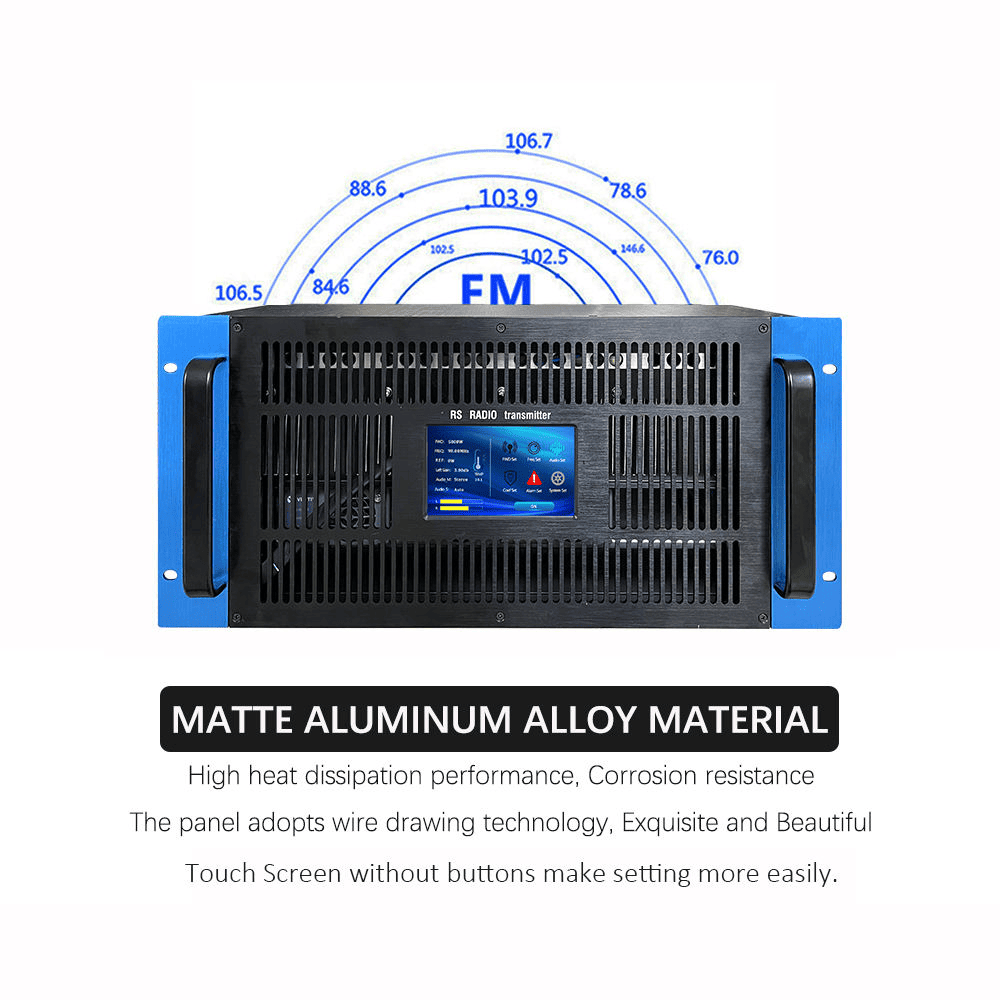
Commercial Broadcasting Applications
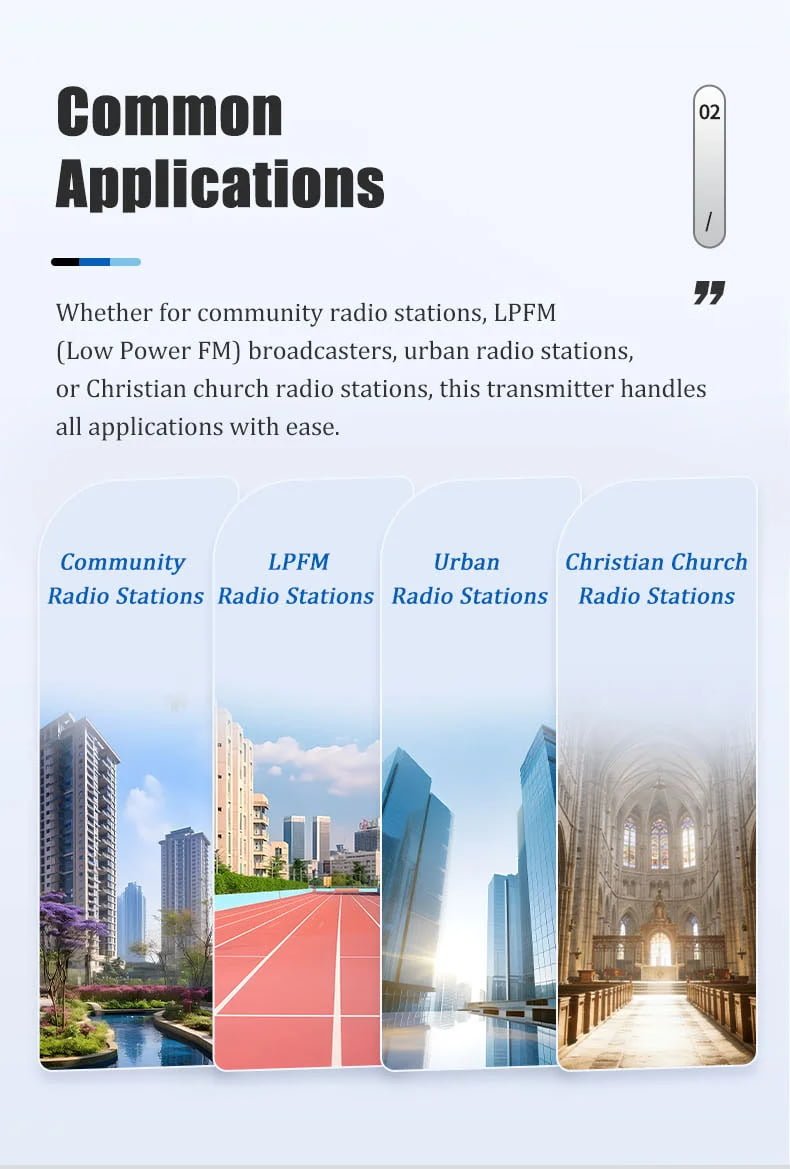
Maybe the 5000W power level serves commercial radio station operations primarily. I work with commercial broadcasters requiring professional equipment and extensive coverage. The 5KW transmitter investment makes economic sense for substantial audience markets.
Music format stations use 5000W systems for dominant metropolitan coverage. The superior signal strength captures largest possible audience share. Advertising revenue potential justifies the significant equipment and operational investment.
News and talk format broadcasters choose 5KW for comprehensive market penetration. The extended coverage reaches commuters throughout metropolitan regions. Maybe the mobile audience listening justifies higher power investment.
| Application Type | Coverage Need | Audience Size | Investment Justification |
|---|---|---|---|
| Commercial Music | Metro dominant | 500K+ | Ad revenue potential |
| News/Talk | Regional | 300K+ | Market leadership |
| Religious Network | Multi-city | 200K+ | Donor base support |
| Public Broadcasting | State/Province | Variable | Public service mission |
Religious broadcasting networks use 5000W for multi-city coverage from central locations. The extended range reduces number of transmitter sites required. Lower infrastructure costs offset higher power transmitter investment.
Public radio stations choose 5KW for state or provincial coverage missions. The non-commercial service justifies significant equipment investment. Maybe the public funding models support professional broadcasting infrastructure.
Network affiliates require 5000W for coverage matching market population centers. The consistent signal strength maintains network brand standards. Technical quality reflects programming quality expectations.
Educational broadcasters use 5KW for statewide distance learning distribution. The reliable coverage ensures educational content reaches target audiences. Maybe the educational mission justifies public investment in broadcasting infrastructure.
Maintenance and Operational Considerations
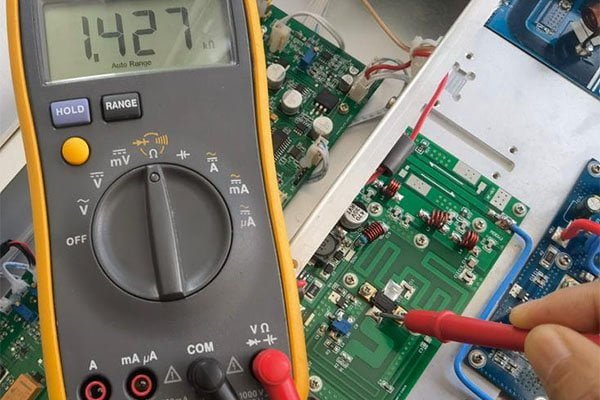
Maybe the 5000W transmitter maintenance requirements differ from lower power equipment. I train broadcast engineers on proper maintenance procedures extending equipment lifespan. The preventive maintenance prevents unexpected failures during critical broadcasting periods.
Regular cleaning prevents dust accumulation affecting cooling efficiency. Monthly cleaning schedules maintain optimal thermal performance. Component inspection catches developing problems before failures occur.
Tube or solid-state amplifier maintenance follows manufacturer specifications. Tube replacement schedules maintain consistent output power levels. Maybe the solid-state designs reduce maintenance compared to tube amplifiers.
| Maintenance Task | Frequency | Duration | Skill Level |
|---|---|---|---|
| Cleaning | Monthly | 2 hours | Technician |
| Inspection | Quarterly | 4 hours | Engineer |
| Calibration | Annual | 8 hours | Specialist |
| Tube Replacement | As needed | 4 hours | Engineer |
Calibration maintains transmitter within specification limits. Annual calibration verifies audio processing and frequency accuracy. Professional test equipment ensures precise measurements.
Spare parts inventory reduces downtime during component failures. Critical components stock locally enabling rapid repairs. Maybe the spare parts investment equals annual operational budget.
Remote monitoring systems enable proactive maintenance scheduling. Trend analysis predicts component failures before occurrence. The predictive maintenance approach minimizes unexpected downtime.
Documentation of maintenance activities tracks equipment condition over time. Detailed records support warranty claims and troubleshooting. Maybe the comprehensive documentation proves valuable during equipment sales or transfers.
Regulatory Compliance and Licensing
Maybe the 5000W transmitter operation requires comprehensive regulatory compliance. I help customers navigate licensing requirements across different countries. The regulatory process takes months requiring detailed technical documentation.
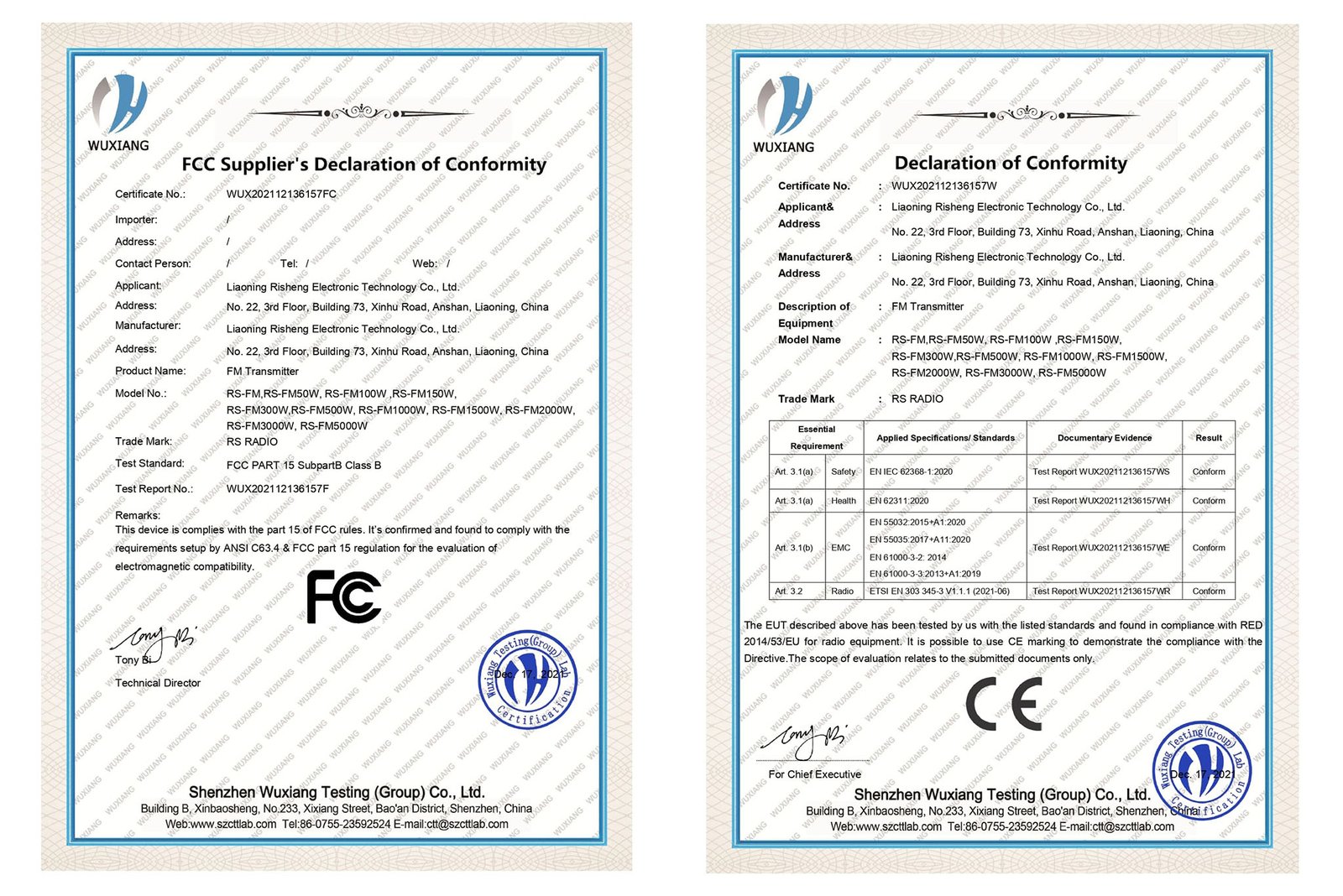
FCC certification in USA ensures transmitter meets technical standards. The type acceptance process validates compliance before market introduction. Operating licenses specify frequency, power, and coverage limitations.
European CE marking indicates compliance with EU electromagnetic compatibility standards. The certification enables sales throughout European markets. Maybe the international certifications add substantial development costs.
| Region | Certification | Requirements | Processing Time |
|---|---|---|---|
| USA | FCC Type Accepted | Technical testing | 3-6 months |
| Europe | CE Marked | EMC compliance | 2-4 months |
| International | ITU Standards | Varies by country | Variable |
Operating license applications require technical studies and frequency coordination. Interference analysis ensures proposed operation doesn’t affect existing stations. Maybe the engineering studies cost thousands before transmitter purchase.
Frequency coordination prevents interference with adjacent channel stations. The cooperative process protects all broadcasters within region. Regular coordination meetings maintain spectrum efficiency.
Power level limitations restrict coverage based on market size and competition. Regulatory agencies balance service coverage with spectrum availability. Maybe the power restrictions require multiple transmitter sites instead of single 5KW installation.
Periodic license renewals require continued compliance verification. Operating parameter changes need regulatory approval before implementation. The ongoing compliance maintains legal broadcasting authority.
Cost Analysis and Return on Investment
Maybe the 5000W transmitter represents significant capital investment requiring careful analysis. I help customers evaluate total ownership costs beyond initial purchase price. The complete financial picture guides investment decisions for broadcasting ventures.
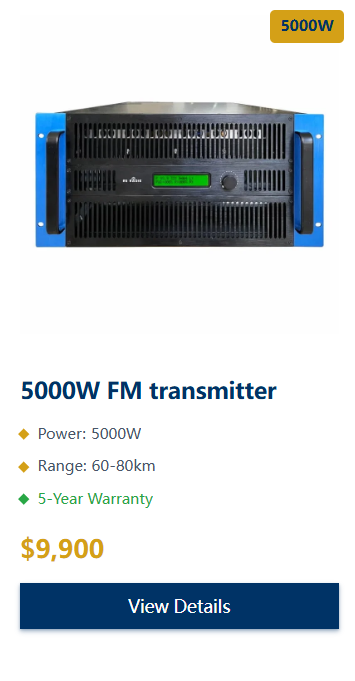
The RS 5000W FM transmitter costs $9900 FOB for the transmitter unit itself. Complete system installation including antenna, tower, and facilities exceeds transmitter cost substantially. Maybe the total project budget reaches $50,000 to $100,000 or more.
Operational costs include electricity, maintenance, and staffing expenses. Monthly electrical consumption at 5KW power level becomes significant. Professional engineering support adds to operational budget requirements.
| Cost Category | Initial | Annual Operating | Notes |
|---|---|---|---|
| Transmitter | $9,900 | – | Equipment only |
| Installation | Variable | – | Site dependent |
| Electricity | – | Significant | Power dependent |
| Maintenance | – | Moderate | Preventive program |
Revenue potential from advertising sales justifies commercial broadcasting investment. Market size and competition determine achievable advertising rates. Maybe the revenue analysis guides power level selection decisions.
Non-commercial broadcasting requires alternative funding sources. Listener donations, grants, and sponsorships support operational costs. The public service mission justifies investment without direct revenue.
Equipment lifespan exceeding 10 years spreads investment over extended period. Quality transmitters maintain value through technological changes. Maybe the long-term reliability justifies higher initial investment.
Financing options enable broadcasting ventures without full capital requirements. Equipment leasing spreads costs over operational period. The cash flow management improves project feasibility for startup operations.
Summary Conclusion
The 5KW FM transmitter delivers professional broadcasting capability for commercial and regional operations requiring 60-80km coverage. Maybe your decision depends on market size, coverage requirements, regulatory compliance, and total project budget for sustainable broadcasting operations.