3 Key Steps for Choosing the Right High-Power FM Transmitter
I work as technical consultant at RS Electronics helping broadcasters select appropriate transmitter equipment for six years. Maybe you feel overwhelmed by technical specifications and power options. I guided 200+ station installations across 50 countries matching transmitters to specific coverage needs. My selection method simplifies complicated decisions into three manageable steps.
Step 1: Determine Your Coverage Requirements and Power Level
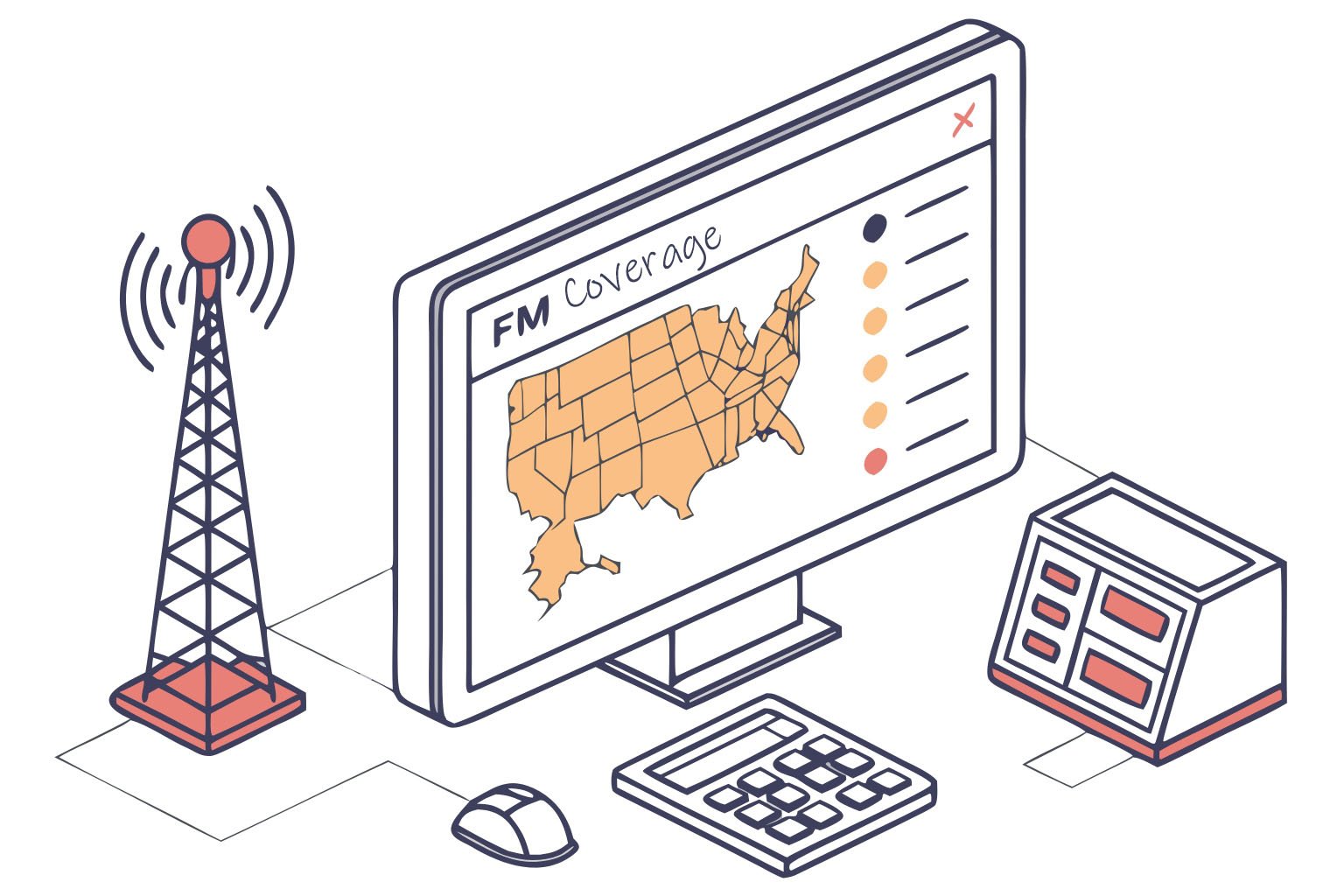
Maybe calculating required transmitter power represents the most critical selection decision. I start every consultation asking about target coverage area and audience location. The power level directly determines signal reach and service area size.
Coverage area depends on transmitter power, antenna height, and terrain characteristics. Flat terrain allows maximum signal propagation while mountains and buildings reduce coverage substantially. I measure coverage radius from transmitter site to farthest intended listener location.
The RS transmitter power levels provide specific coverage capabilities with 30-meter antenna height on flat terrain. These real-world measurements guide power selection for different broadcasting scenarios. Urban environments require 20-30% more power than rural areas achieving equivalent coverage.
| Power Level | Coverage Performance |
|---|---|
| 300W | 15-20km radius, small city coverage |
| 500W | 20-25km radius, medium city coverage |
| 1000W | 25-30km radius, large city coverage |
| 1500W | 25-38km radius, metropolitan area |
| 2000W | 30-60km radius, regional coverage |
| 3000W | 40-70km radius, multi-city coverage |
| 5000W | 60-80km radius, provincial coverage |
Population density matters more than raw coverage distance for broadcaster success. I analyze listener distribution patterns determining whether compact high-density coverage or extended rural reach serves mission better. Religious broadcasting often prioritizes maximum reach while community radio focuses on concentrated neighborhoods.
Competition from existing stations affects power requirements significantly. New stations need adequate power competing for listener attention against established broadcasters. Maybe entering market with underpowered transmitter handicaps station success from launch.
Budget constraints influence power selection but shouldn’t compromise coverage objectives. Starting with inadequate power requires expensive upgrade later disrupting operations. I recommend purchasing sufficient power initially avoiding replacement costs.
Regulatory restrictions limit maximum power in some locations. License applications specify allowed power levels based on frequency coordination and interference protection. Verify regulatory approval before purchasing transmitter exceeding permitted power.
Future growth consideration affects initial power selection substantially. Audience expansion might require coverage increase beyond initial planning. Purchasing transmitter with power adjustment capability provides flexibility without equipment replacement.
Step 2: Evaluate Technical Specifications and Features
Maybe technical specifications determine transmitter performance quality and reliability. I review critical parameters ensuring equipment meets professional broadcasting standards. The specifications affect audio quality, frequency stability, and operational efficiency.
Frequency range covers 87.5-108MHz accommodating all FM broadcast assignments worldwide. The RS transmitters provide 10kHz frequency stepping for precise channel selection. Carrier frequency precision within ±200Hz maintains regulatory compliance preventing interference.
Audio performance specifications indicate sound quality capability. Stereo separation above 60dB provides clear channel definition for quality listening experience. Low distortion below 0.1% preserves audio clarity throughout signal chain. Signal-to-noise ratio exceeding 65dB eliminates background hiss.
| Technical Feature | Quality Indicators |
|---|---|
| Frequency Precision | ±200Hz maintains stability |
| Stereo Separation | >60dB ensures clear channels |
| Audio Distortion | <0.1% preserves quality |
| Signal-to-Noise | >65dB eliminates noise |
Digital signal processing (DSP) technology improves audio quality substantially. The RS transmitters use DSP for digital filtering, pre-emphasis, pilot generation, stereo coding, and FM modulation. Digital processing eliminates drift and distortion common in analog systems.
Adjustable power output provides operational flexibility matching changing needs. Continuous adjustment from 0-100% allows power reduction during maintenance or regulatory compliance. The 0.1-watt stepping enables precise output control for various applications.
Protection systems prevent equipment damage from operating problems. Over-temperature protection shuts transmitter down at 60°C preventing component failure. High SWR protection detects antenna connection problems triggering automatic power reduction. Fan error alarm warns about cooling system failure.
Automatic Power Control (APC) maintains stable output despite component variations. The feedback system compensates for temperature changes and aging effects. Foldback protection reduces power gradually during adverse conditions preventing sudden shutdown.
Power supply efficiency affects operational costs significantly. Power Factor Corrector (PFC) technology provides maximum efficiency for energy savings. Modern switching supplies deliver better efficiency than older linear designs reducing electricity consumption.
Remote monitoring capability enables operation supervision from any location. Network connectivity allows parameter adjustment and status checking remotely. Maybe the remote access prevents emergency site visits during off-hours.
Step 3: Consider Budget, Support, and Long-Term Costs
Maybe total ownership cost matters more than initial purchase price. I help customers calculate complete system expenses including equipment, installation, operation, and maintenance over transmitter lifetime. The long-term perspective reveals true cost differences between options.
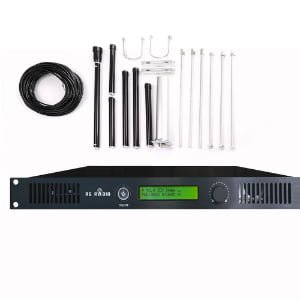
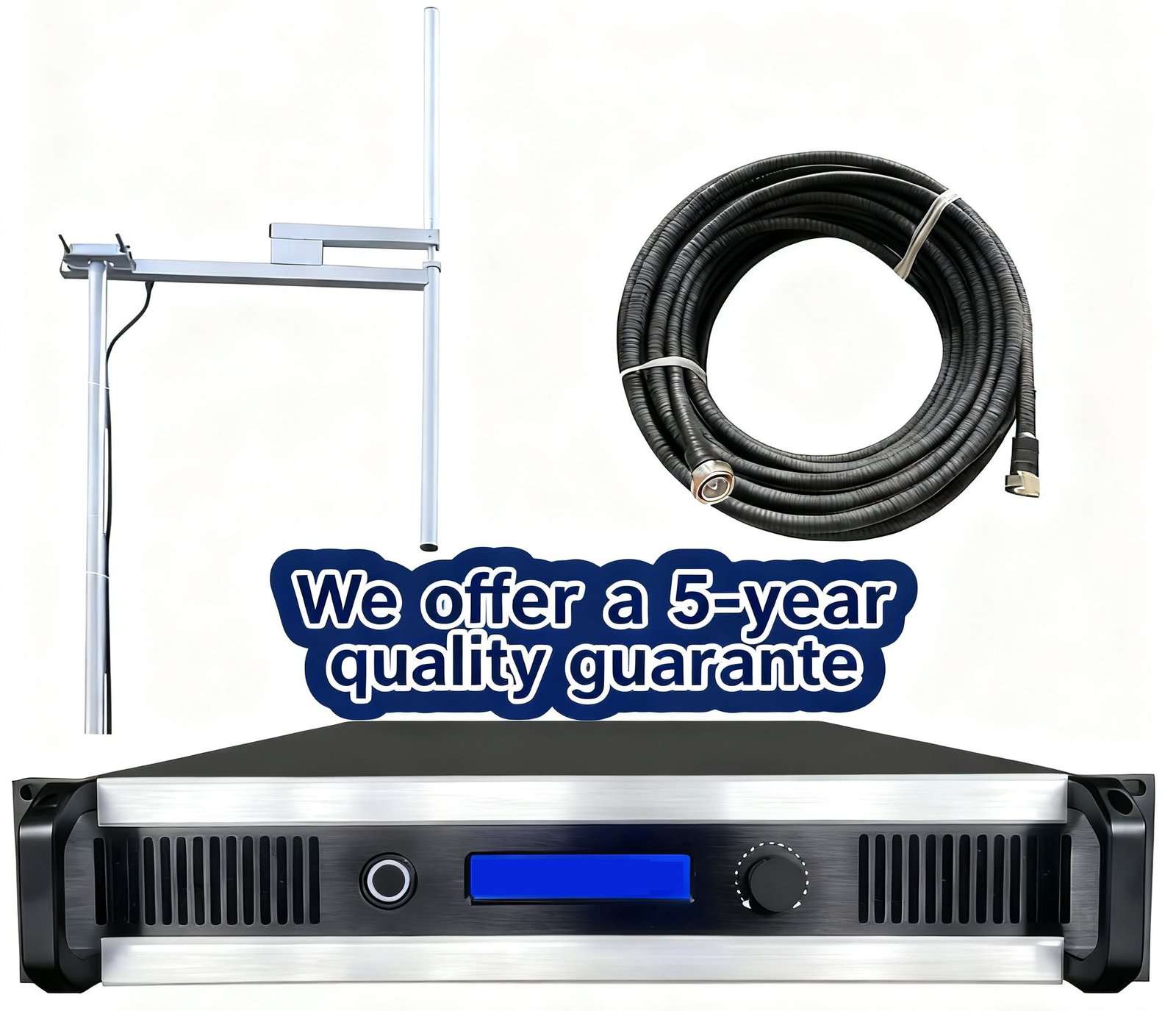
Initial investment includes transmitter, antenna, coaxial cable, and installation labor. The RS transmitter prices range from $1339 for 300W to $9900 for 5000W models. Complete system costs typically run 150-200% of transmitter price including antenna and cable.
| Power Level | Investment Consideration |
|---|---|
| 300W | $1,339 transmitter + antenna/cable |
| 500W | $1,560 transmitter + antenna/cable |
| 1000W | $1,890 transmitter + antenna/cable |
| 1500W | $2,230 transmitter + antenna/cable |
| 3000W | $6,800 transmitter + antenna/cable |
| 5000W | $9,900 transmitter + antenna/cable |
Operating costs include electricity consumption running 24/7 continuously. Higher power transmitters consume proportionally more electricity increasing monthly utility bills. Local electricity rates determine actual operational expenses varying significantly by region.
Warranty coverage protects investment against equipment failures. The RS 5-year warranty exceeds industry standard providing long-term reliability assurance. Extended warranty eliminates unexpected repair costs during coverage period. Maybe the warranty confidence indicates manufacturer quality commitment.
Technical support quality affects problem resolution speed and operational continuity. WhatsApp engineering support group provides quick answers to technical questions. Remote guidance helps troubleshooting without expensive technician visits. Replacement parts access ensures quick repairs minimizing downtime.
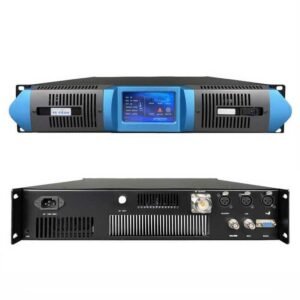
Training requirements affect staff capability operating and maintaining equipment. Modern transmitters with touchscreen interfaces simplify operation reducing training time. Comprehensive documentation supports self-service troubleshooting and routine maintenance.
Spare parts availability determines repair turnaround time during failures. Local parts inventory enables same-day repairs while overseas shipping causes extended downtime. Maybe the parts access consideration matters as much as equipment reliability.
Upgrade path flexibility affects future expansion capability. Transmitters with power adjustment accommodate growth without replacement. Software updates maintain equipment currency with technological advances. Maybe the scalability consideration justifies initial investment in higher-power equipment.
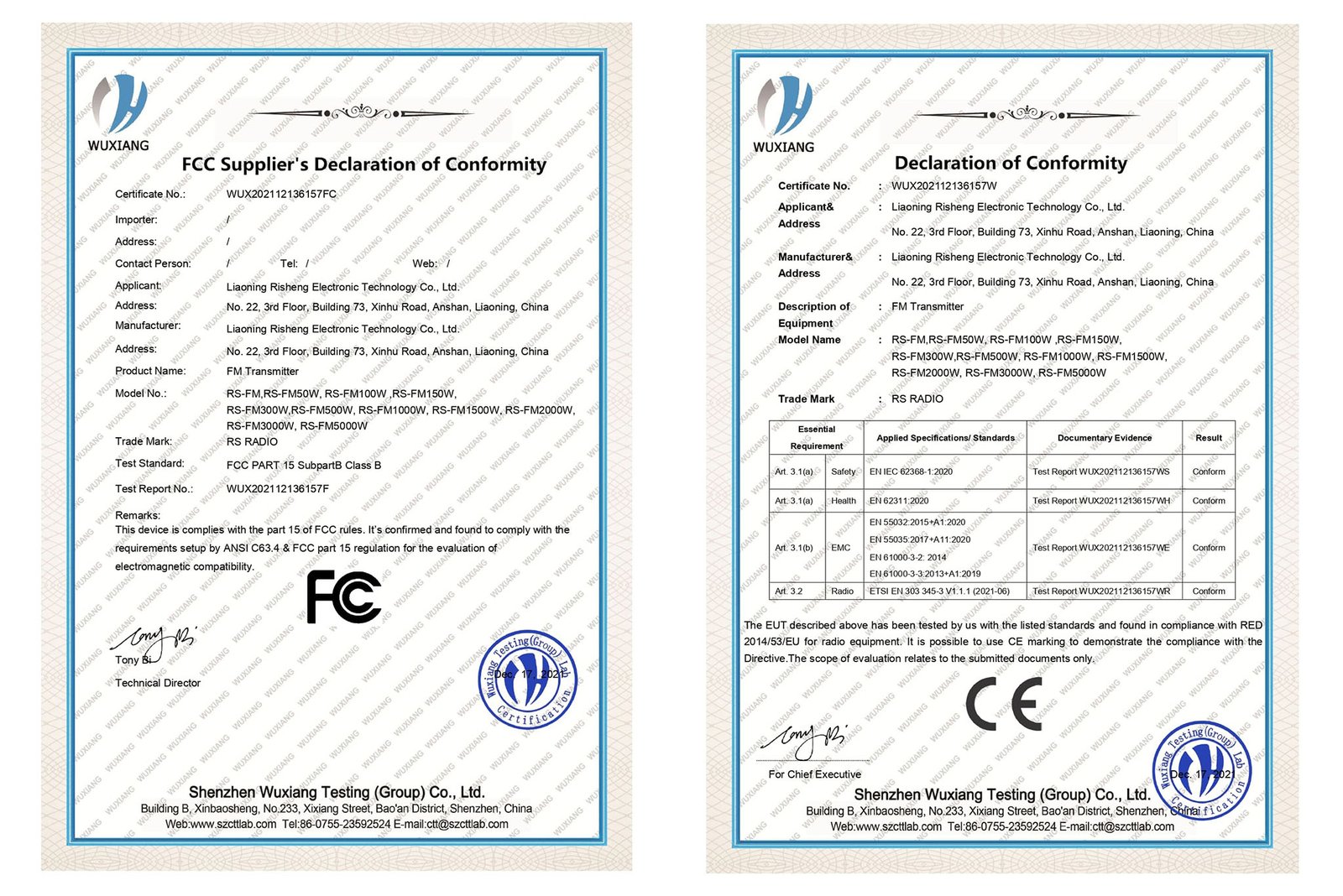
Certification compliance ensures regulatory approval and interference prevention. FCC and CE certificates demonstrate equipment meets international standards. Certified transmitters simplify licensing process avoiding regulatory problems.
Free shipping reduces initial investment substantially. The RS free delivery to most countries eliminates significant freight expense. Shipping costs can add 10-20% to equipment price from other suppliers.
Summary Conclusion
Choosing right high-power FM transmitter requires matching power level to coverage needs, evaluating technical specifications for quality operation, and calculating total ownership costs. Maybe your broadcasting success depends on selecting equipment balancing performance requirements, reliability assurance, budget constraints, and long-term support for sustainable station operation.