10 Questions to Ask Your FM Transmitter Supplier Before Placing an Order
I work as procurement consultant at RS Electronics reviewing 500+ transmitter purchase decisions over nine years. Maybe you feel uncertain evaluating supplier promises before commitment. I witnessed buyers making expensive mistakes from incomplete questioning. My question framework protects your investment by revealing supplier capabilities before money changes hands.
Question 1: What Warranty Coverage and Duration Do You Provide?
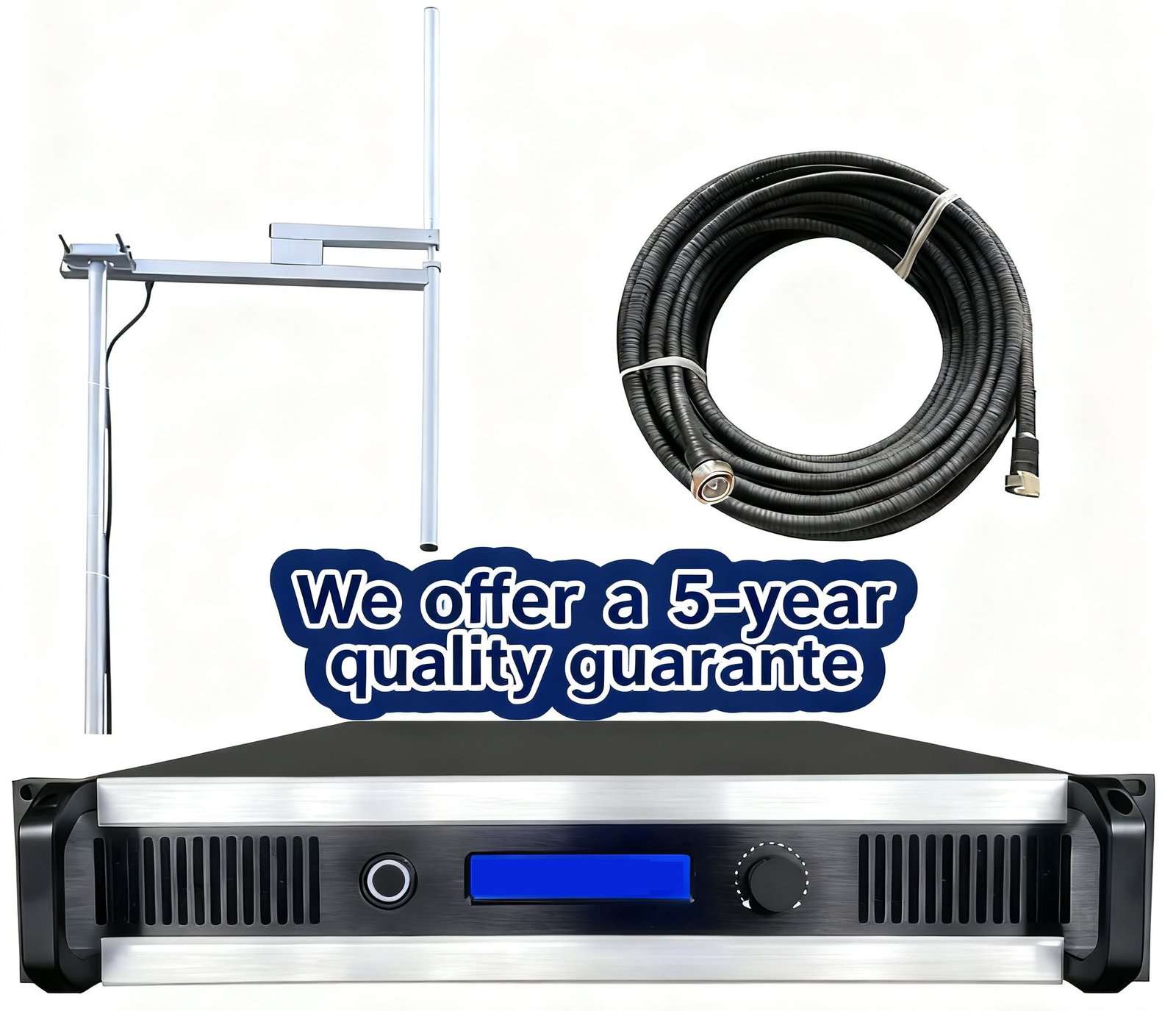
Maybe warranty terms reveal manufacturer confidence in product quality. I investigate warranty coverage details determining real protection level. The warranty duration and coverage scope differ dramatically between suppliers affecting long-term ownership costs.
Standard industry warranty ranges 1-2 years covering manufacturing defects only. The RS 5-year warranty exceeds typical coverage providing extended protection. Longer warranty indicates superior component selection and build quality confidence.
| Warranty Aspect | Critical Questions |
|---|---|
| Coverage Duration | How many years full coverage included? |
| Covered Components | Which parts included versus excluded? |
| Labor Coverage | Does warranty cover repair labor costs? |
| Shipping Responsibility | Who pays freight for warranty repairs? |
Coverage scope determines actual protection value. Some warranties exclude critical components like power amplifiers or power supplies. I verify all major assemblies receive coverage eliminating surprise expenses.
Labor cost coverage matters substantially for warranty value. Replacement parts help little if labor charges equal new equipment cost. Maybe the comprehensive labor coverage distinguishes quality suppliers from budget alternatives.
Shipping responsibility affects warranty convenience significantly. Paying freight both directions reduces warranty value substantially. Free shipping for warranty service demonstrates customer commitment.
Warranty claim process complexity determines practical usability. Difficult procedures discourage legitimate claims. I test supplier responsiveness asking hypothetical warranty scenarios evaluating cooperation level.
International warranty support varies dramatically between manufacturers. Domestic-only coverage leaves international buyers unprotected. Maybe the global warranty service indicates established international business infrastructure.
Question 2: What Technical Certifications Does Equipment Have?
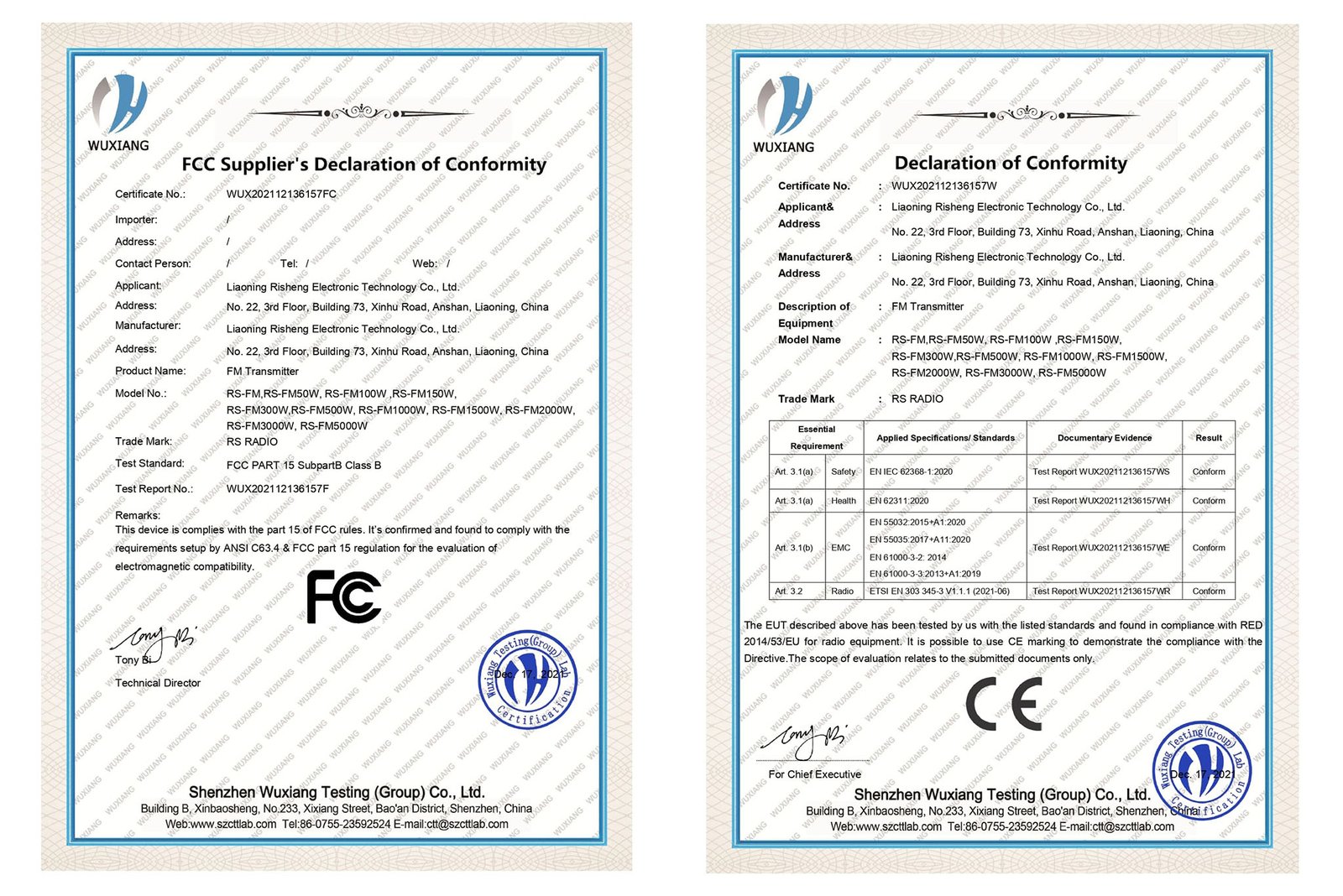
Maybe certification status determines regulatory approval difficulty. I verify FCC and CE certificates before recommending equipment purchases. Uncertified transmitters cause licensing problems and potential confiscation.
FCC certification proves equipment meets United States technical standards. The certification eliminates most regulatory objections during licensing process. I examine actual FCC grant documents verifying authenticity before orders.
CE marking demonstrates European Union compliance for international markets. The certification indicates proper design meeting interference and safety standards. Maybe the dual FCC/CE certification shows commitment to international quality standards.
| Certification Type | Importance Level |
|---|---|
| FCC Certification | Required for USA operations |
| CE Certification | Required for European Union |
| Local Country Approval | Varies by specific nation |
| Safety Certifications | Insurance and liability protection |
Certification documentation availability affects licensing speed. Suppliers should provide certificates immediately upon request. Delayed documentation suggests potential certification problems.
Test report completeness demonstrates thorough compliance verification. Detailed reports show actual measured performance versus specifications. Maybe the comprehensive testing indicates engineering competence and quality commitment.
Third-party testing laboratory independence ensures credible results. Manufacturer self-certification lacks regulatory acceptance in most jurisdictions. Independent laboratory reports carry greater authority with licensing agencies.
Certification maintenance demonstrates ongoing compliance commitment. Certificates expire requiring periodic renewal. Current certifications prove continued standards compliance as regulations evolve.
Question 3: What Is the Actual Coverage Range With Standard Antenna?
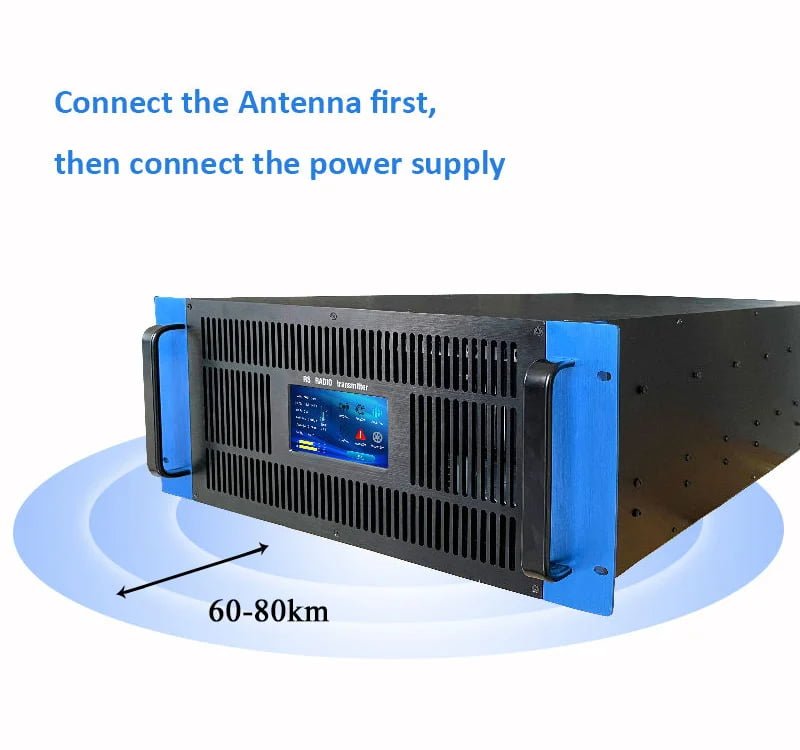
Maybe realistic coverage expectations prevent disappointment after installation. I request specific coverage radius measurements with defined antenna heights. Vague coverage claims without conditions indicate unreliable supplier.
Coverage specifications require standard reference conditions for comparison. The RS coverage data specifies 30-meter antenna height on flat terrain. Defined conditions allow realistic performance prediction for your location.
Terrain effects dramatically alter coverage from flat-land specifications. Hills and buildings reduce coverage 30-50% compared to flat terrain. I calculate terrain-adjusted coverage for realistic performance expectations.
| Power Level | Flat Terrain Coverage (30m antenna) |
|---|---|
| 500W | 20-25km radius typical coverage |
| 1000W | 25-30km radius typical coverage |
| 2000W | 30-60km radius typical coverage |
| 5000W | 60-80km radius typical coverage |
Urban environment coverage differs substantially from rural measurements. Building penetration requires additional power for equivalent area coverage. Maybe the urban coverage data matters more than rural specifications for city broadcasters.
Antenna height sensitivity affects coverage planning significantly. Each antenna height doubling increases coverage approximately 40%. I verify coverage calculations include your actual antenna height plans.
Population coverage matters more than raw distance for broadcaster success. Reaching 100,000 people within 15km exceeds 10,000 people at 40km. Maybe the population density consideration trumps maximum range pursuit.
Competing station interference affects practical coverage boundaries. Strong adjacent stations create overlap zones limiting effective service area. I recommend site surveys identifying interference before equipment purchase.
Question 4: What Technical Support Do You Offer After Purchase?

Maybe technical support quality determines operational success more than equipment specifications. I evaluate supplier support capabilities before recommending purchases. Poor support leaves buyers struggling with problems alone.
Support channel availability affects problem resolution speed dramatically. The RS WhatsApp engineering support group provides quick direct access. Email-only support creates frustrating delays during urgent problems.
Response time commitments reveal support priority level. Same-day responses demonstrate customer importance. Multi-day delays indicate support team overload or indifference.
| Support Feature | Quality Indicators |
|---|---|
| Support Channels | Phone, WhatsApp, email availability |
| Response Time | Typical hours until initial response |
| Remote Assistance | Can engineers troubleshoot remotely? |
| Language Support | Native language technical assistance |
Remote troubleshooting capability eliminates expensive site visits. Screen sharing and remote access resolve most problems quickly. Maybe the remote capability saves thousands in emergency technician calls.
Engineering staff accessibility versus customer service screening affects solution quality. Direct engineer contact provides accurate technical answers. Multiple support tiers delay real problem solving.
Documentation quality supports self-service troubleshooting. Comprehensive manuals reduce dependence on supplier support. Poor documentation creates unnecessary support dependency.
Training availability helps staff operate equipment properly. Installation training prevents operator errors causing problems. Maybe the training investment eliminates most support needs through proper operation.
Question 5: What Is Lead Time and Shipping Arrangement?
Maybe delivery timing affects project schedule success critically. I verify realistic lead times before committing to supplier. Optimistic estimates cause missed launch dates and audience disappointment.
Manufacturing lead time varies dramatically between stock and built-to-order equipment. Stock items ship within days while custom orders require weeks. I clarify whether quoted models represent actual inventory.
Shipping method affects delivery speed and cost substantially. Air freight delivers quickly but costs significantly more than ocean shipping. Maybe the free delivery option eliminates major expense from project budget.
| Delivery Aspect | Clarification Needed |
|---|---|
| Manufacturing Lead Time | Days from order to shipment |
| Shipping Method | Air versus ocean freight |
| Freight Cost Responsibility | Included versus buyer pays |
| Customs Clearance Support | Assistance with import procedures |
Customs clearance complexity delays international shipments frequently. Incomplete documentation causes extended port delays. I verify supplier provides proper commercial invoices and customs support.
Freight insurance coverage protects against shipping damage. Uninsured shipments risk total loss without compensation. Maybe the included insurance demonstrates supplier commitment to successful delivery.
Delivery location capability affects receiving convenience. Door delivery costs more than port pickup requiring local transportation. I clarify exact delivery point avoiding surprise transportation costs.
Packaging quality prevents damage during international shipping. Inadequate packaging causes equipment damage requiring lengthy repairs. Maybe the professional packaging indicates experienced international shipping operations.
Question 6: Do You Provide Complete System or Components Only?
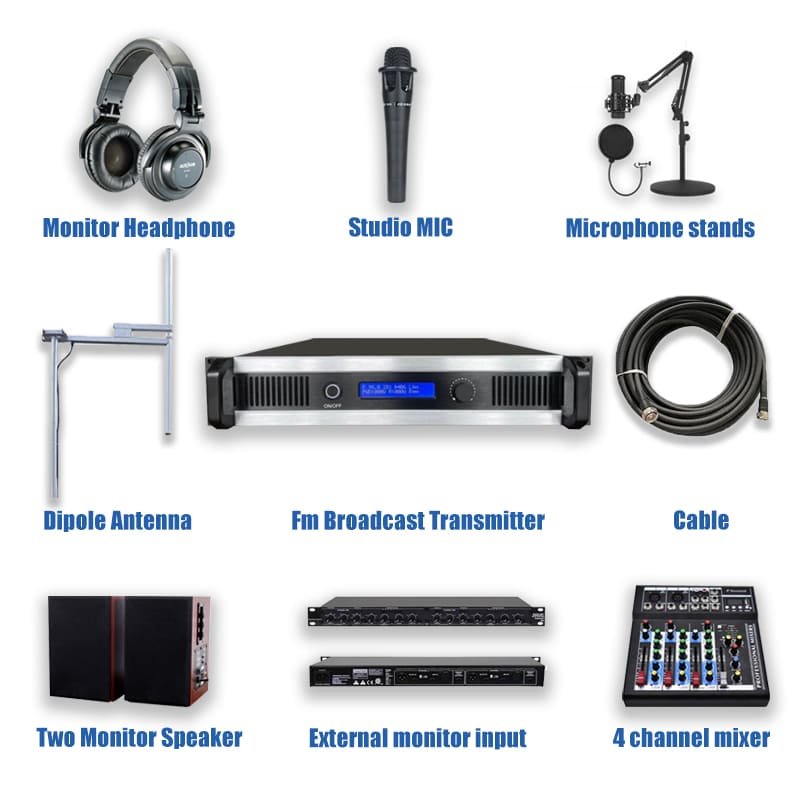
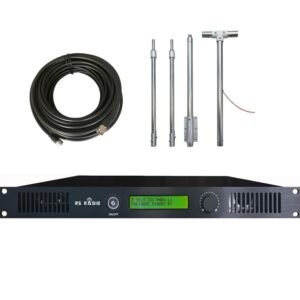
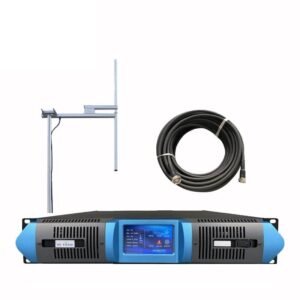
Maybe complete system packages simplify procurement eliminating compatibility concerns. I recommend integrated solutions for buyers without technical expertise. Component purchasing requires specialized knowledge matching specifications properly.
Transmitter-only sales require separate antenna and cable purchases. The additional procurement adds complexity and compatibility risk. Maybe the complete package eliminates vendor finger-pointing when problems occur.
Antenna selection affects system performance substantially. Incorrect antenna impedance causes high SWR damaging transmitter. Supplier-matched antennas ensure proper impedance matching from beginning.
| System Component | Complete Package Benefit |
|---|---|
| Transmitter | Correctly sized for application |
| Antenna | Impedance matched, power rated |
| Coaxial Cable | Proper type, correct length |
| Connectors | Compatible, professionally installed |
Coaxial cable type and length affect signal delivery efficiency. Incorrect cable causes power loss and heating problems. Supplier-specified cable ensures proper power handling capability.
Connector compatibility prevents installation problems. Mismatched connectors require adapters reducing system reliability. Maybe the complete system approach eliminates amateur installation mistakes.
System testing before shipment verifies component compatibility. Pre-tested systems reduce installation troubleshooting time substantially. Individual components require field testing discovering problems after payment.
Installation instructions completeness supports successful setup. Component-only purchases lack system-level documentation. Maybe the integrated documentation saves installation time and reduces errors.
Question 7: What Protection Systems Are Built Into Transmitter?
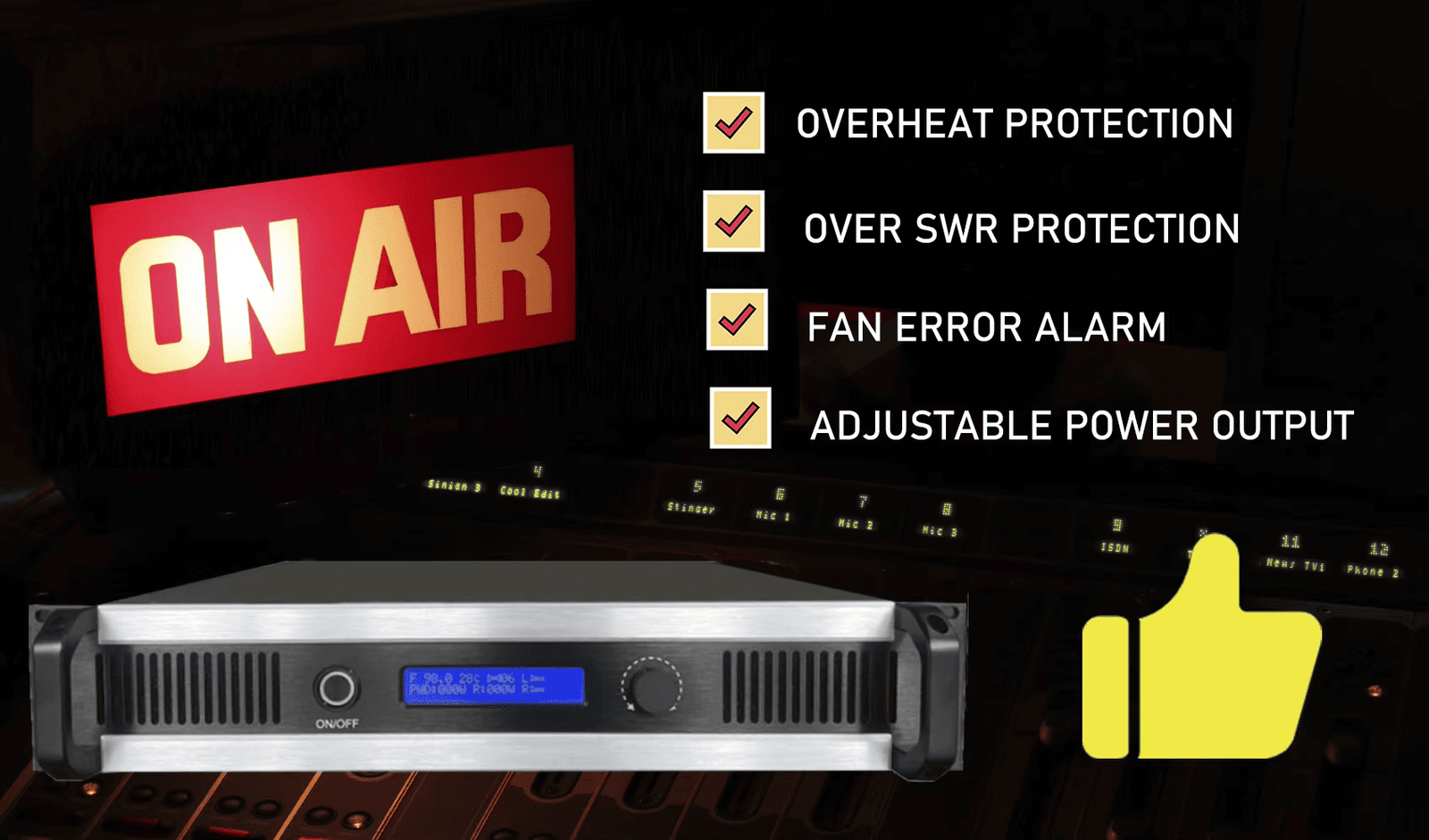
Maybe protection features determine equipment survival during operating problems. I evaluate safety systems preventing expensive damage from common failures. Inadequate protection causes cascading failures destroying multiple components.
Over-temperature protection prevents thermal damage to components. The RS automatic shutdown at 60°C saves equipment from heat destruction. I verify exact shutdown temperature and cooling resumption behavior.
SWR protection detects antenna connection problems triggering automatic response. High reflected power damages transmitter output stages quickly. Maybe the SWR protection intelligence saves thousands in repair costs.
| Protection Type | Function |
|---|---|
| Over-temperature Shutdown | Automatic power reduction at 60°C |
| High SWR Protection | Power reduction when antenna fails |
| Fan Error Alarm | Warning before cooling failure |
| Overvoltage Protection | Damage prevention from power surges |
Fan failure detection warns operators before temperature problems develop. The early warning allows maintenance scheduling preventing emergency shutdowns. Maybe the predictive alarm prevents broadcast interruptions during critical programming.
Input power protection prevents damage from utility voltage problems. Surges and brownouts stress power supply components. I verify protection capability against expected local power quality issues.
Foldback protection gradually reduces power during adverse conditions. Immediate shutdown causes listener disruption. Maybe the intelligent power reduction maintains partial service during problems.
Protection system testing capability verifies proper operation. Testable protection systems confirm readiness before actual failures. I request demonstration of protection system functionality during evaluation.
Question 8: Can Transmitter Power Be Adjusted for Future Needs?
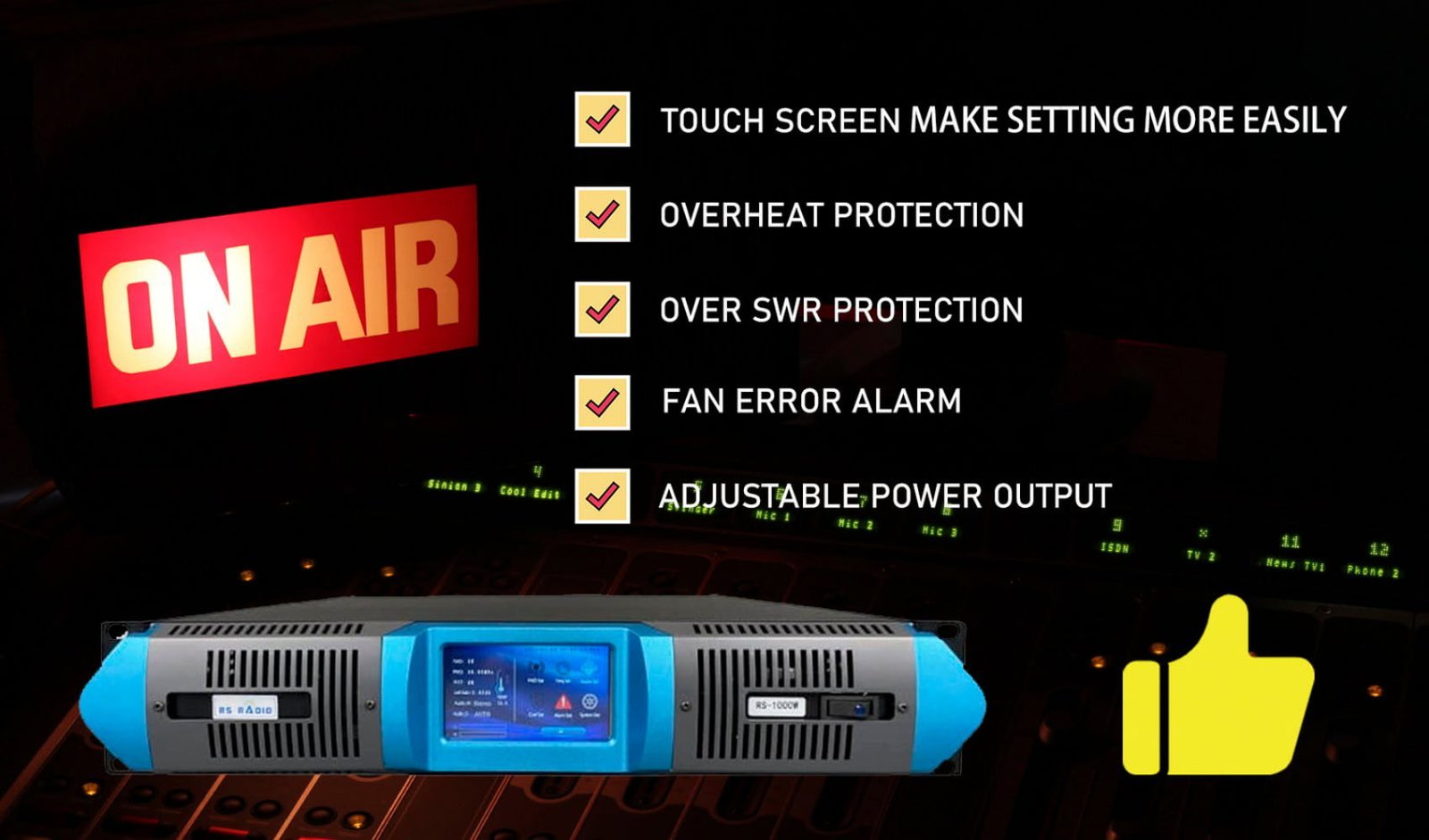
Maybe power adjustment capability provides operational flexibility for changing needs. I recommend equipment supporting continuous power adjustment. Fixed-power transmitters limit response to regulatory changes and expansion plans.
Continuous power adjustment allows precise output control. The RS 0.1-watt stepping enables exact power matching to license requirements. Stepped adjustment restricts power options limiting flexibility.
Power reduction capability accommodates lower power licensing requirements. Some locations restrict maximum power based on interference protection. Maybe the power adjustment eliminates equipment replacement when moving between markets.
| Adjustment Feature | Flexibility Benefit |
|---|---|
| Adjustment Range | Full 0-100% continuous control |
| Step Size | Fine 0.1W increments available |
| Remote Adjustment | Power changes without site visits |
| Power Presets | Quick recall of common settings |
Future power increase capability protects initial investment during growth. Starting with lower power saves money while maintaining upgrade path. I verify whether power increase requires hardware changes or simple adjustment.
Remote power adjustment enables operation changes without site visits. Network connectivity allows power control from any location. Maybe the remote capability saves hundreds in technician dispatch costs.
Automatic power control maintains stable output despite component variations. Temperature and aging effects change output power gradually. Maybe the APC reliability eliminates frequent manual calibration requirements.
Question 9: What Are Total Ownership Costs Beyond Purchase Price?

Maybe total ownership costs exceed initial purchase price over equipment lifetime. I calculate complete expenses including operation, maintenance, and support. Purchase price represents only 30-40% of ten-year ownership costs.
Electricity consumption affects monthly operating expenses substantially. Higher efficiency reduces utility bills over years. I request actual power consumption measurements at various output levels.
Maintenance requirements determine ongoing service expenses. Complex equipment requires frequent professional maintenance. Maybe the maintenance simplicity reduces long-term operational costs significantly.
| Cost Category | Evaluation Factors |
|---|---|
| Electricity Consumption | Watts consumed per watt output |
| Maintenance Frequency | Required service intervals |
| Spare Parts Costs | Common replacement part pricing |
| Support Service Fees | Technical assistance charges |
Spare parts pricing affects repair cost sustainability. Expensive parts increase long-term ownership costs. I request common spare parts price list evaluating replacement affordability.
Technical support fees vary dramatically between suppliers. Some charge hourly rates while others include unlimited support. Maybe the included support eliminates unpredictable service expenses.
Training costs depend on equipment complexity. Simple operation reduces training requirements substantially. I evaluate user interface complexity estimating staff training needs.
Upgrade costs affect system expansion affordability. Some systems require complete replacement for power increases. Maybe the upgrade-friendly design protects initial infrastructure investment.
Question 10: What Replacement Parts Access Do You Provide?
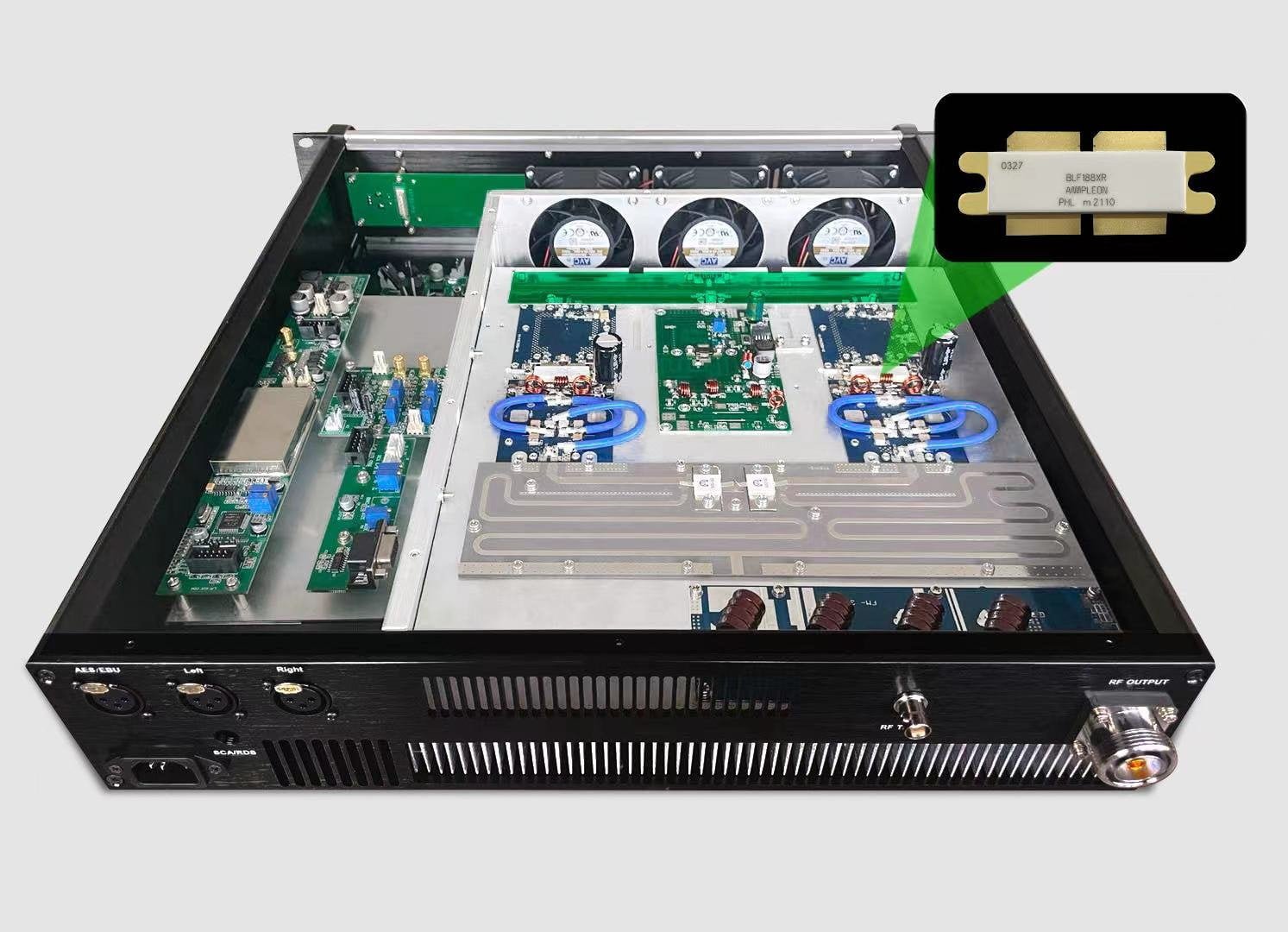
Maybe parts availability determines downtime duration during failures. I verify supplier maintains adequate parts inventory. Poor parts access causes extended broadcast interruptions.
Parts inventory location affects delivery speed substantially. Local stock enables same-day repairs while overseas shipping requires weeks. I clarify parts warehouse locations serving my region.
Common parts identification helps planning preventive inventory. Knowing failure-prone components allows advance purchasing. Maybe the spare parts list enables proactive maintenance preventing emergency situations.
| Parts Aspect | Critical Information |
|---|---|
| Inventory Location | Regional warehouses availability |
| Delivery Time | Typical shipping days to location |
| Parts Pricing | Cost for common components |
| Minimum Order | Purchase requirements per order |
Parts pricing transparency prevents surprise expenses during repairs. Hidden costs emerge during emergency ordering. I request parts price list for common consumables and wear items.
Parts availability guarantee duration matters for long-term support. Discontinued products lose parts access quickly. Maybe the parts commitment duration indicates expected product lifecycle support.
Emergency parts access procedures reduce critical downtime. Expedited shipping options enable quick repairs. I verify emergency parts ordering process and associated costs.
Technical documentation supports self-service parts replacement. Detailed instructions enable operator repairs. Maybe the documentation quality reduces dependence on expensive technician visits.
Summary Conclusion
These ten questions reveal supplier capabilities, protection features, support quality, and total costs before commitment. Maybe your systematic questioning prevents expensive mistakes while identifying suppliers providing genuine long-term value beyond initial purchase price.