10 Essential Maintenance Tips for High-Power FM Transmitters
I work as a technical engineer at RS Electronics and maintain high-power FM transmitters from 1000W to 5000W daily. Maybe you wonder how I learned these maintenance methods. I coordinate technical support for broadcasting stations across 50+ countries and collect failure data from hundreds of installations. These ten tips prevent most common problems I witness repeatedly.
1. Monitor Operating Temperature and Cooling Systems Daily
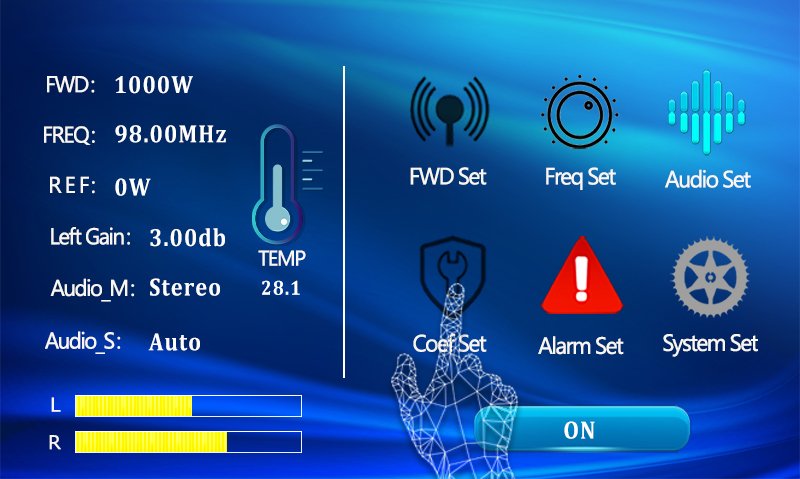
Maybe the most critical maintenance task involves checking transmitter temperature every single day. I see overheating cause more high-power transmitter failures than any other problem. The automatic protection shuts down at 60°C but damage starts before that temperature.
Temperature monitoring shows developing cooling problems before critical failures occur. Display screens show real-time temperature readings on modern transmitters. Maybe checking temperature takes 30 seconds but prevents thousands in repair costs.
| Temperature Range | Status | Action Required |
|---|---|---|
| Below 50°C | Normal | Continue monitoring |
| 50-55°C | Attention | Check cooling immediately |
| 55-60°C | Warning | Reduce power or shutdown |
| Above 60°C | Critical | Automatic protection triggers |
Cooling fan inspection catches failures before temperature rises dangerously. Listen for unusual bearing noises indicating fan wear. Fans running 24/7 wear out faster than transmitter electronics.
Clean cooling fans monthly removing accumulated dust and debris. Compressed air cleaning takes minutes and extends fan lifespan significantly. Maybe the simple cleaning prevents expensive emergency repairs during critical broadcasting.
Air intake filter cleaning maintains proper airflow through transmitter components. Blocked filters reduce cooling efficiency gradually over time. Monthly filter inspection becomes routine preventing slow performance degradation.
Ambient room temperature affects transmitter cooling capacity substantially. Air conditioning failure on hot days pushes transmitters toward shutdown temperatures. Maybe the backup cooling plan prevents summer broadcast interruptions.
2. Inspect and Clean Transmitter Cabinet Weekly
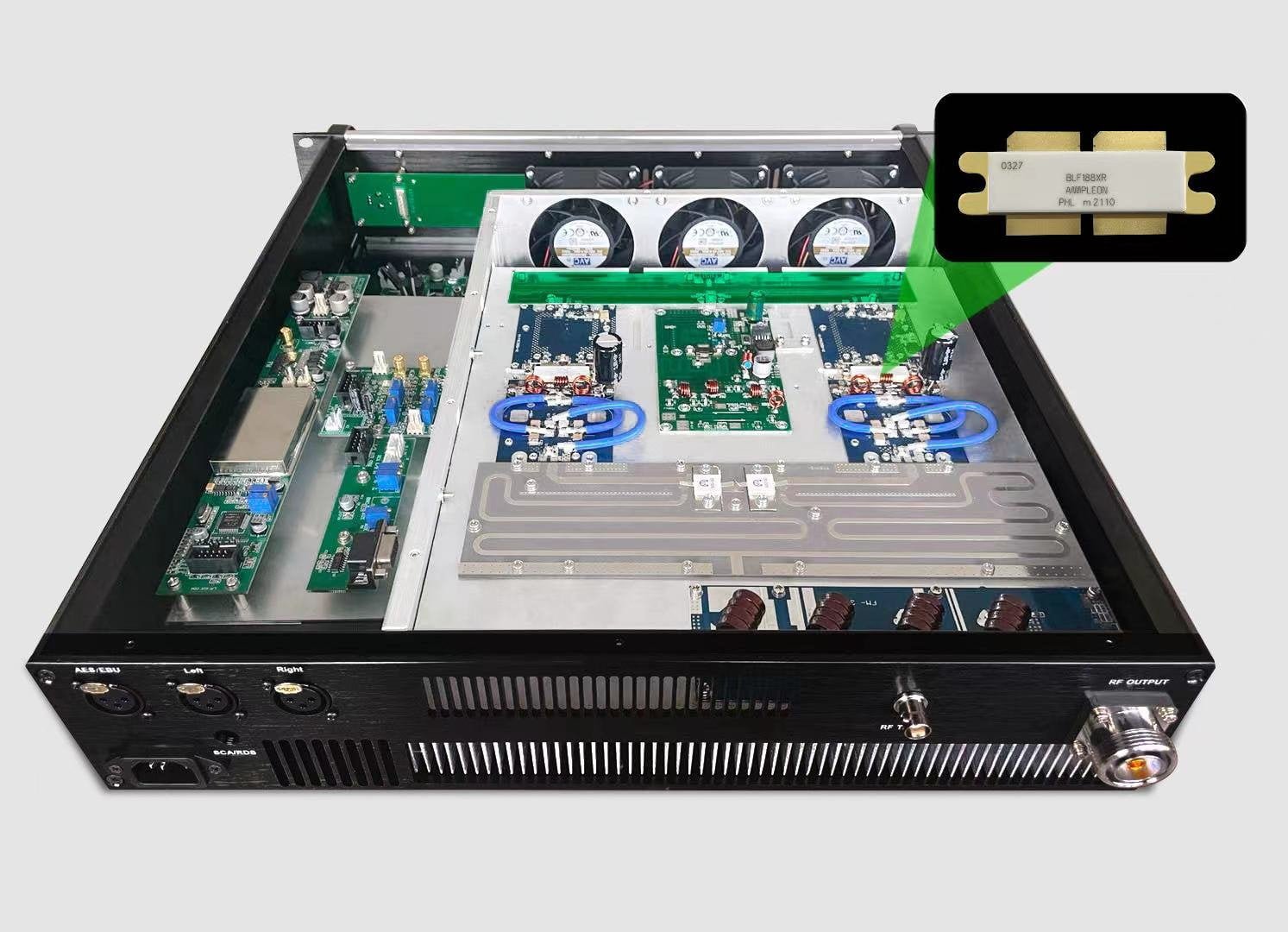
Maybe the second essential maintenance involves regular cabinet cleaning for high-power equipment. I recommend weekly cleaning schedules for transmitters running continuous operation. Dust accumulation creates multiple problems affecting performance and reliability.
Dust acts as thermal insulation reducing component cooling effectiveness. Electronic parts overheat faster when covered in dust layers. Maybe the invisible dust causes mysterious intermittent failures.
Power down transmitter completely before opening cabinet for cleaning. High voltage remains dangerous even after shutdown without proper discharge procedures. Safety protocols prevent electrocution accidents during maintenance.
| Cleaning Task | Frequency | Tools Needed | Duration |
|---|---|---|---|
| External surfaces | Weekly | Damp cloth | 10 minutes |
| Internal components | Monthly | Compressed air | 30 minutes |
| Ventilation grills | Weekly | Brush, vacuum | 15 minutes |
| Filter replacement | Quarterly | New filters | 20 minutes |
Compressed air removes dust from circuit boards and component surfaces effectively. Short air bursts prevent damage to delicate electronic parts. I demonstrate proper cleaning technique during installation training.
Vacuum cleaning removes loose debris from cabinet floors and corners. Accumulated debris blocks airflow and creates fire hazards. Maybe the thorough vacuuming prevents serious safety problems.
Inspect for signs of insect or rodent activity during cleaning sessions. Small animals damage wiring and create short circuits. Preventive sealing keeps pests out of expensive transmitter equipment.
Document cleaning dates and observations in maintenance logbook. Patterns emerge showing seasonal dust accumulation variations. Maybe the records predict when additional cleaning becomes necessary.

3. Test SWR and Antenna System Monthly
Maybe the third critical maintenance involves monthly antenna system testing for high-power transmitters. I help customers understand SWR (Standing Wave Ratio) indicating antenna connection quality. Poor SWR damages expensive transmitter output stages rapidly.
SWR below 1.5:1 indicates proper antenna system operation. Values between 1.5:1 and 2.0:1 show developing problems requiring attention. Maybe the trending SWR values predict antenna failures before damage occurs.
High-power transmitters show SWR readings continuously on display screens. The automatic protection reduces power when SWR exceeds safe limits. I recommend recording SWR values weekly tracking changes over time.
| SWR Reading | Status | Transmitter Response | Action |
|---|---|---|---|
| 1.0-1.5:1 | Excellent | Normal operation | Continue monitoring |
| 1.5-2.0:1 | Good | Normal operation | Investigate cause |
| 2.0-3.0:1 | Poor | Power foldback | Immediate repair |
| Above 3.0:1 | Critical | Shutdown | Emergency service |
Antenna connection inspection finds loose connectors before complete failure. Thermal cycling causes connector expansion and contraction. Retightening connections during monthly inspections prevents intermittent problems.
Coaxial cable inspection identifies weather damage and connector corrosion. Water intrusion degrades cable performance gradually over months. Maybe the visual inspection catches problems before SWR measurements change.
Lightning surge damage shows as sudden SWR changes after storms. Even nearby lightning strikes affect antenna systems without direct hits. Post-storm inspections prevent mysterious transmitter failures days later.
Professional antenna testing equipment measures system performance accurately. Simple SWR meters cost much less than transmitter repairs. Maybe the testing investment pays for itself preventing first failure.
4. Calibrate Power Output and Audio Levels Quarterly
Maybe the fourth maintenance essential involves quarterly calibration ensuring specifications. I perform calibration on customer transmitters maintaining broadcast quality standards. Gradual component drift changes performance over months of operation.
RF power output measurement verifies transmitter delivers rated wattage. Component aging reduces output power slowly over time. Maybe the power loss happens so gradually operators don’t notice until measurements reveal truth.
Audio level calibration maintains proper modulation preventing distortion. Over-modulation damages transmitter finals and creates interference. Under-modulation wastes coverage potential and sounds weak.
| Calibration Parameter | Frequency | Equipment | Target Value |
|---|---|---|---|
| RF Power Output | Quarterly | Power meter | Rated wattage ±5% |
| Audio Deviation | Quarterly | Modulation monitor | 75kHz max |
| Pilot Tone Level | Quarterly | Modulation monitor | 8-10% |
| Stereo Separation | Annual | Audio analyzer | >60dB |
Pilot tone level affects stereo decoder operation in receivers. Incorrect pilot levels cause mono/stereo switching problems. The 8-10% modulation maintains optimal stereo performance.
Stereo separation measurement verifies proper channel isolation. Degraded separation reduces stereo imaging quality. Maybe listeners complain about poor sound before measurements show problems.
Frequency accuracy checking ensures transmitter stays on assigned channel. Digital synthesis maintains stability better than older crystal oscillators. Quarterly verification confirms continued compliance with licensing requirements.
Professional test equipment costs substantial amounts but ensures accurate measurements. Budget meters give approximate readings insufficient for legal compliance verification. Maybe the professional equipment investment protects broadcast license.
5. Inspect and Tighten All Electrical Connections Bi-annually
Maybe the fifth essential maintenance involves bi-annual electrical connection inspection. I find loose connections causing mysterious intermittent problems regularly. Thermal cycling expands and contracts metal causing gradual loosening over time.
Power supply connections carry high currents generating heat at resistance points. Loose connections create hot spots damaging terminals and wiring. Maybe the thermal damage progresses invisibly until catastrophic failure occurs.
RF output connections require particular attention on high-power transmitters. Poor RF connections create arcing and component damage. Retightening during scheduled maintenance prevents expensive repairs.
| Connection Type | Inspection Points | Torque Spec | Frequency |
|---|---|---|---|
| AC Power Input | Terminal blocks | Manufacturer spec | Bi-annual |
| DC Power | Battery terminals | 10-15 ft-lbs | Bi-annual |
| RF Output | N-connector | Hand tight + 1/4 turn | Bi-annual |
| Audio Input | XLR/Terminal | Finger tight | Annual |
Ground connections provide safety and RF performance functions. Poor grounding creates intermittent noise and instability problems. I verify ground continuity using multimeter during inspections.
Audio input connections affect sound quality and noise performance. Oxidation creates intermittent crackling and dropouts. Cleaning and retightening audio connections prevents mysterious sound problems.
Control and monitoring cable connections enable remote operation. Loose connections cause false alarms and monitoring failures. Maybe the systematic inspection prevents panic over nonexistent problems.
Document all tightening and connection work in maintenance records. Patterns show which connections require more frequent attention. The historical data guides future maintenance scheduling.
6. Update Firmware and Software Annually
Maybe the sixth maintenance essential involves annual firmware updates for modern transmitters. I coordinate software updates for customers worldwide improving performance and reliability. Manufacturers release updates fixing bugs and adding features.
Firmware updates require careful planning preventing broadcast interruptions. Backup current settings before updating allowing restoration if problems occur. Maybe the preparation takes longer than actual update process.
Test firmware updates on backup transmitter before main system installation. The testing verifies compatibility and identifies potential problems safely. Production systems stay on-air during backup testing.
| Update Component | Update Type | Frequency | Backup Required |
|---|---|---|---|
| Transmitter Firmware | Manufacturer release | Annual | Yes – Critical |
| Control Software | Version updates | Semi-annual | Yes |
| Remote Monitoring | App updates | Quarterly | Optional |
| Security Patches | As released | Immediate | Yes |
Security patch installation protects remote access systems from vulnerabilities. Networked transmitters face potential hacking and malware threats. Maybe the security updates prevent unauthorized access attempts.
Software update documentation provides release notes describing improvements. Reading notes helps decide if update benefits justify installation effort. Some updates fix problems particular installations never experience.
Rollback procedures enable returning to previous firmware if updates fail. Understanding rollback process before updating prevents panic during problems. Maybe the confidence comes from knowing escape route exists.
Manufacturer support assists with update problems and questions. Contact information should be readily available during update procedures. The telephone support prevents extended downtime from update complications.
7. Replace Consumable Components on Schedule
Maybe the seventh maintenance essential involves scheduled replacement of wear components. I help customers understand which parts require periodic replacement before failure. Preventive replacement costs less than emergency repairs during broadcast hours.
Cooling fans represent primary consumable component in high-power transmitters. Fan bearings wear out from continuous operation over years. Maybe the fan replacement every 2-3 years prevents overheating shutdowns.
Power supply capacitors age gradually reducing performance and reliability. Large electrolytic capacitors show measurable degradation after 5-7 years. Scheduled replacement maintains power supply stability.
| Component | Expected Life | Replacement Cost | Failure Impact |
|---|---|---|---|
| Cooling Fans | 2-3 years | Low | Critical – Shutdown |
| Electrolytic Caps | 5-7 years | Moderate | Major – Instability |
| RF Transistors | 5-10 years | High | Critical – No output |
| LED Display | 10+ years | Moderate | Minor – Readability |
RF power transistors or tubes eventually fail from accumulated stress. Monitoring output power trends predicts approaching end of life. Replacement during scheduled maintenance prevents on-air failures.
Air filter replacement maintains cooling system effectiveness over time. Filters clog gradually reducing airflow and increasing temperatures. Maybe the inexpensive filter prevents expensive transmitter damage.
Battery backup systems require periodic replacement maintaining protection. Sealed lead-acid batteries typically last 3-5 years in broadcast service. Testing battery capacity annually guides replacement timing.
Stocking replacement parts enables rapid repairs without shipping delays. Critical spare parts inventory matches station importance and budget. Maybe the parts investment provides insurance against extended downtime.
8. Perform Comprehensive Performance Tests Semi-annually
Maybe the eighth essential maintenance involves semi-annual comprehensive testing. I conduct full transmitter evaluations checking every specification and function. The systematic testing finds developing problems before affecting broadcast quality.
RF output power measurement across frequency range verifies consistent performance. Power variations indicate component aging or tuning changes. Systematic testing creates baseline for future comparisons.
Audio frequency response testing ensures flat response across broadcast spectrum. High-frequency rolloff indicates pre-emphasis or audio processing problems. Maybe the measurements explain listener sound quality complaints.
| Test Parameter | Method | Pass Criteria | Failure Indicator |
|---|---|---|---|
| Power Output | Wattmeter | ±5% of rating | Component aging |
| Frequency Accuracy | Counter | ±200Hz | Synthesizer drift |
| Audio Distortion | Analyzer | <0.1% THD | Clipper problems |
| Spurious Emissions | Spectrum analyzer | <65dBc | Filter degradation |
Spurious emission testing verifies compliance with regulatory requirements. Harmonics and intermodulation products must stay below specified levels. Professional spectrum analyzer measurements satisfy legal requirements.
Modulation monitor testing checks all stereo parameters systematically. Pilot tone level, stereo separation, and crosstalk measurements verify proper operation. The comprehensive testing finds subtle degradation.
Protection system testing verifies automatic shutdown functions work correctly. Simulating over-temperature and high SWR conditions confirms protective responses. Maybe the testing saves transmitter from actual emergency situations.
Document all test results creating historical performance records. Trending analysis predicts when specifications drift outside acceptable ranges. The proactive approach prevents surprises during inspections.
9. Maintain Clean and Controlled Environment
Maybe the ninth maintenance essential involves environmental control for high-power equipment. I help stations optimize transmitter room conditions extending equipment lifespan. Proper environment prevents premature failures and maintains reliable operation.
Temperature control prevents thermal stress on sensitive electronic components. Air conditioning maintains consistent temperature preventing thermal cycling damage. Maybe the climate control investment saves multiple transmitter replacements.
Humidity control prevents condensation damaging electronic components. Excessive humidity causes corrosion and leakage currents. Dehumidification in tropical climates protects expensive equipment.
| Environmental Factor | Target Range | Control Method | Impact |
|---|---|---|---|
| Temperature | 18-25°C | Air conditioning | Critical |
| Humidity | 40-60% | Dehumidifier | Important |
| Dust Level | Minimal | Filtration, sealing | Moderate |
| Ventilation | Adequate | Forced air | Critical |
Clean air filtration reduces dust entering transmitter cabinets. HVAC system filters protect transmitters from environmental contamination. Filter maintenance keeps protection effective over time.
Proper ventilation ensures fresh air circulation removing heated air. Stagnant air allows heat accumulation even with air conditioning. Maybe the ventilation design matters as much as cooling capacity.
Lightning and surge protection prevents damage from electrical storms. Comprehensive grounding and suppression systems protect investment. The protection infrastructure costs less than single lightning damage repair.
Pest control prevents insects and rodents from damaging equipment. Regular inspection and sealing keeps animals out of transmitter facilities. Maybe the pest prevention saves expensive repairs and cleaning.
10. Keep Detailed Maintenance Logs and Documentation
Maybe the tenth essential maintenance involves comprehensive record keeping. I review customer maintenance logs identifying patterns and predicting problems. Detailed documentation proves invaluable troubleshooting complex issues over time.
Daily operation logs record transmitter parameters and observations. Temperature, power output, and SWR readings create baseline for comparisons. Maybe the daily logging catches gradual changes before becoming problems.
Maintenance activity logs document all service, repairs, and adjustments. The records show what work happened and when. Future technicians understand equipment history preventing repeated mistakes.
| Log Type | Contents | Update Frequency | Retention Period |
|---|---|---|---|
| Daily Operations | Readings, observations | Daily | 1 year |
| Maintenance Activity | Services, repairs | Each event | Permanent |
| Calibration Records | Test results | Quarterly | Permanent |
| Parts Replacement | Component changes | Each replacement | Permanent |
Parts replacement records track component lifespan and failure patterns. The data guides future replacement scheduling and spare parts stocking. Maybe the historical records save money through better planning.
Calibration records document baseline performance for comparison. Trending analysis shows gradual specification drift over time. The early detection enables proactive component replacement before failures.
Problem and failure logs capture troubleshooting information. Solutions to past problems guide future repairs. Maybe the documented fixes save hours of repeated troubleshooting.
Digital photos document equipment condition and configuration changes. Visual records supplement written descriptions effectively. The comprehensive documentation protects investment and maintains knowledge.
Summary Conclusion
These ten essential maintenance practices keep high-power FM transmitters operating reliably for years. Maybe your maintenance success depends on systematic scheduling, thorough documentation, and proactive component replacement preventing failures before they affect broadcasting operations.