10 Best Ways to Start a Community Radio Station on a Budget
I work as a technical engineer at RS Electronics and help community radio stations launch on tight budgets every month. Maybe you wonder how I know which methods actually save money. I guide startup broadcasters through equipment selection, licensing, and setup across 50+ countries. This list reflects real cost-saving strategies I see working for budget-conscious community stations.
%(Community radio station budget setup)Starting community radio station on budget
1. Start with Low-Power FM Transmitter Equipment
Maybe the biggest budget decision involves transmitter selection for your community radio station. I help new broadcasters choose appropriate power levels matching their coverage needs without overspending. Starting small with 15W to 100W equipment reduces initial investment significantly.
The RS 15W FM transmitter costs $249 and covers 1-3km radius perfectly for hyperlocal community broadcasting. Many successful community stations start at this power level and expand later. Maybe the low entry cost removes financial barriers preventing community voices from launching.
| Power Level | Price | Coverage | Best For |
|---|---|---|---|
| 15W | $249 | 1-3km | Neighborhoods |
| 50W | $488 | 3-5km | Small communities |
| 100W | $650 | 7-12km | Towns, campuses |
Community stations often overestimate power requirements initially. I calculate coverage maps showing 50W reaches most neighborhood populations effectively. Maybe the temptation to buy maximum power wastes budget on unnecessary capability.
Used equipment presents risks for budget-conscious startups. I see customers buying unreliable used transmitters that fail during critical programming. Maybe the new equipment warranty justifies slightly higher initial investment versus used gear repair costs.
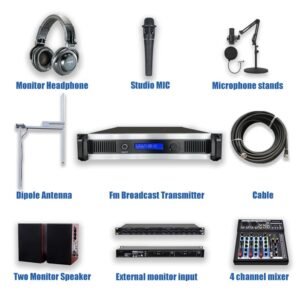
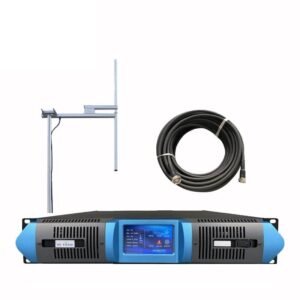
Complete transmitter kits include antennas and cables reducing separate purchasing needs. The bundled approach simplifies budgeting and ensures component compatibility. Technical support included with new equipment prevents costly troubleshooting mistakes during setup.
Power efficiency affects ongoing electricity costs for budget operations. Modern low-power transmitters consume minimal electricity compared to older high-power models. Maybe the operational savings offset equipment costs over time.
%(Low power FM transmitter budget)Budget-friendly low power FM transmitter community radio
2. Use Free and Open Source Broadcasting Software
Maybe the second biggest cost saving comes from software selection for community radio operations. I recommend free broadcasting software to budget-conscious stations regularly. Open source solutions eliminate expensive commercial software licensing fees.
Mixxx provides free DJ mixing software for live broadcasting. The professional features rival commercial alternatives costing hundreds of dollars. Community stations worldwide use Mixxx for volunteer DJ programs without software budgets.
| Software | Cost | Purpose | Platform |
|---|---|---|---|
| Mixxx | Free | Live DJ mixing | Windows, Mac, Linux |
| Libretime | Free | Automation, scheduling | Web-based |
| Audacity | Free | Audio editing | Windows, Mac, Linux |
| BUTT | Free | Streaming encoder | Cross-platform |
Libretime handles scheduling and automation for unattended broadcasting. The free software manages playlists, program schedules, and automated playback. Maybe the zero licensing cost enables 24/7 operation without staffing expenses.
Audacity provides complete audio editing for program production. Community volunteers learn the free software quickly for creating pre-recorded content. Professional results happen without expensive editing suite subscriptions.
BUTT (Broadcast Using This Tool) encodes audio streams for internet broadcasting. The free streaming software works reliably for simultaneous FM and online transmission. Technical setup guides help budget stations configure streaming without consultant fees.
WordPress offers free website platforms for community radio online presence. The open source content management system costs nothing for basic station websites. Maybe the zero web development costs preserve budget for broadcasting equipment.
%(Free radio broadcasting software)Open source software community radio station budget
3. Repurpose Consumer Audio Equipment for Studio Build
Maybe the third budget strategy involves creative studio equipment sourcing for community radio. I see successful stations using consumer audio gear instead of expensive broadcast equipment. The quality difference matters less for community programming than commercial stations.
Consumer USB audio interfaces work perfectly for community radio studios. Products designed for home recording cost significantly less than broadcast consoles. Maybe the professional features in consumer gear eliminate need for broadcast-specific pricing.
| Equipment Type | Consumer Option | Broadcast Option | Budget Savings |
|---|---|---|---|
| Audio Interface | USB interfaces | Broadcast consoles | Substantial |
| Microphones | USB/XLR mics | Broadcast mics | Moderate |
| Headphones | Studio headphones | Broadcast cans | Moderate |
| Cables | Standard XLR/TRS | Broadcast cables | Minimal |
Dynamic microphones from consumer audio companies deliver excellent voice quality. The rugged construction handles volunteer handling without expensive broadcast microphone fragility. I recommend specific consumer models to budget stations regularly.
Computer-based mixing using free software eliminates expensive hardware mixers. The digital audio workstation approach reduces equipment costs dramatically. Maybe the flexibility of software mixing benefits volunteer-operated community stations.
Studio monitoring uses consumer studio monitors or powered speakers effectively. Broadcast-specific monitors cost substantially more without significant quality advantages. Community stations report satisfaction with consumer monitoring equipment.
Cable selection offers another budget opportunity for startup stations. Standard audio cables work identically to broadcast-labeled versions at fraction of cost. Maybe the markup on broadcast-branded cables wastes limited community radio budgets unnecessarily.
%(Budget community radio studio)Affordable community radio studio equipment setup
4. Build DIY Antenna Systems with Common Materials
Maybe the fourth cost-saving approach involves antenna construction for community radio stations. I guide broadcasters through DIY antenna building using readily available materials. Commercial antennas work well but DIY versions cost much less.
Simple dipole antennas work effectively for low-power community stations. The basic design uses copper wire and PVC pipe costing minimal amounts. Construction tutorials online guide non-technical volunteers through building process.
Copper tubing from hardware stores creates durable antenna elements. The material costs substantially less than commercial broadcast antennas. Maybe the DIY approach adds community participation beyond just programming content.
| Antenna Type | DIY Cost Range | Commercial Cost | Difficulty |
|---|---|---|---|
| Dipole | Very low | Moderate | Easy |
| Ground Plane | Low | Moderate | Easy |
| Yagi | Low-Moderate | High | Moderate |
Proper antenna placement matters more than expensive commercial models for coverage. I help stations identify optimal mounting locations on existing structures. Maybe the free mounting eliminates tower construction costs.
Weather protection using common materials extends DIY antenna lifespan. PVC conduit and waterproof sealants protect connections from elements. Community volunteers maintain antennas without expensive service contracts.
Testing DIY antennas ensures proper performance before permanent installation. Simple field strength meters verify coverage patterns. Maybe the learning process builds technical capacity within community radio volunteers.
Safety considerations remain critical for DIY antenna construction and installation. I provide guidance on electrical safety and structural mounting requirements. Professional consultation on safety prevents accidents worth more than equipment costs.
%(DIY FM antenna community radio)DIY antenna system budget community radio station
Maybe the fifth budget strategy involves creative studio location arrangements for community radio. I see successful stations sharing space with libraries, community centers, and schools. The shared arrangements eliminate expensive dedicated facility costs.
Libraries offer ideal community radio hosting with existing public spaces. The quiet environment suits broadcasting needs naturally. Maybe the partnership strengthens both organizations through shared community service mission.
Community centers provide space in exchange for radio programming services. The mutually beneficial arrangement saves facility costs while expanding center visibility. Monthly programming about community center activities builds audience connection.
| Space Type | Typical Arrangement | Benefits | Considerations |
|---|---|---|---|
| Library | Shared or dedicated room | Quiet, professional | Limited hours |
| Community Center | Office or meeting room | Central location | Noise potential |
| School/College | Classroom space | Educational tie-in | Access restrictions |
| Church | Donated space | Mission alignment | Religious considerations |
Schools and colleges provide studio space for educational broadcasting programs. The academic partnership offers mutual benefits through student involvement. Technical education programs might provide free setup assistance.
Churches donate space to faith-based community radio ministries. The mission alignment creates natural partnership opportunities. Shared facility costs enable religious broadcasting on minimal budgets.
Co-working spaces offer flexible arrangements for startup community stations. The professional environment suits broadcasting operations perfectly. Maybe the networking opportunities with other organizations benefit community radio growth.
Home-based studios work initially for minimal budget community broadcasting. Bedroom or garage conversions create functional broadcast spaces. Soundproofing using inexpensive materials improves audio quality sufficiently.
%(Shared studio space community radio)Community radio station shared space budget solution
6. Recruit Volunteer Staff and DJs
Maybe the sixth critical budget approach involves volunteer staffing for community radio operations. I work with stations operating entirely on volunteer labor without paid staff. The volunteer model keeps operational costs minimal while building community engagement.
Volunteer DJs provide diverse programming without payroll expenses. Community members share their music, culture, and perspectives freely. Maybe the authentic volunteer voices create stronger community connection than professional broadcasters.
Training programs develop volunteer broadcasting skills systematically. Free online resources and peer mentoring build capacity without expensive training costs. Community radio associations offer training materials and workshops.
| Volunteer Role | Time Commitment | Training Needs | Impact |
|---|---|---|---|
| DJ/Host | 2-4 hours weekly | Moderate | High |
| Producer | 4-8 hours weekly | Moderate-High | High |
| Technical | As needed | High | Critical |
| Administrative | 5-10 hours weekly | Low-Moderate | Essential |
Technical volunteers handle equipment maintenance and troubleshooting. Local audio engineers and electronics hobbyists often volunteer skills to community stations. Maybe the free technical support saves substantial professional service costs.
Administrative volunteers manage scheduling, compliance, and operations. Retired professionals contribute organizational skills to community radio. The volunteer coordination itself builds community leadership capacity.
Volunteer appreciation events maintain enthusiasm and commitment without monetary compensation. Potluck gatherings and recognition programs cost minimal amounts. Maybe the community-building aspect motivates volunteers beyond financial payment.
Clear volunteer policies and expectations prevent burnout and turnover. Written guidelines help volunteers understand roles and responsibilities. Structured volunteer management prevents operational problems threatening station continuity.
%(Volunteer community radio staff)Volunteer staffing budget community radio station
7. Apply for Grants and Community Funding
Maybe the seventh budget strategy involves identifying funding sources for community radio development. I help stations research grants and fundraising opportunities regularly. External funding enables startup operations without personal financial risk.
Local community foundations often fund media and communication projects. Grant applications require time investment but no upfront costs. Maybe the foundation funding covers initial equipment purchases completely.
National arts councils support community radio as cultural expression. Government grants fund community media development in many countries. Application assistance from community radio associations improves success rates.
| Funding Source | Amount Range | Timeline | Requirements |
|---|---|---|---|
| Local Foundations | Variable | 3-6 months | Specific to foundation |
| Government Grants | Variable | 6-12 months | Compliance intensive |
| Crowdfunding | Variable | 1-3 months | Marketing effort |
| Listener Donations | Ongoing | Continuous | Programming quality |
Crowdfunding platforms enable community radio to solicit small donations from many supporters. Campaigns highlight community benefits and programming plans. Social media promotion extends reach beyond immediate community.
Listener membership programs create sustainable recurring funding. Monthly or annual donations from audience members build predictable revenue. Maybe the listener support model aligns with community radio values better than commercial advertising.
Corporate sponsorships provide underwriting for specific programming. Local businesses support community radio in exchange for acknowledgments. Non-commercial mention of sponsors maintains community radio character while generating revenue.
In-kind donations of equipment and services reduce cash requirements. Local businesses donate computers, furniture, and audio gear. Maybe the donated equipment meets needs without grant funding searches.
%(Community radio funding grants)Grant funding budget community radio station startup
8. Start with Online Streaming Before FM Broadcasting
Maybe the eighth budget approach involves phased deployment starting with internet streaming. I recommend online-only operation initially for extremely tight budgets. The streaming-first approach tests programming and builds audience before transmitter investment.
Internet streaming requires minimal equipment compared to FM broadcasting. Computer, microphone, and internet connection enable immediate online radio launch. Free streaming platforms eliminate hosting costs for startup stations.
Online operation allows programming development without licensing delays. Volunteers gain broadcasting experience while FM license processes. Maybe the operational experience improves later FM broadcasting quality significantly.
| Phase | Equipment Needs | Cost Level | Timeline |
|---|---|---|---|
| 1: Online Only | Computer, mic, internet | Minimal | Immediate |
| 2: Low Power FM | Add transmitter 15-50W | Low | 3-6 months |
| 3: Expanded FM | Upgrade to 100-300W | Moderate | 6-12 months |
Audience building happens online before FM service begins. Social media promotion and community outreach develop listener base. The established audience justifies FM transmitter investment with demonstrated demand.
Technical learning occurs at lower stakes with online streaming. Volunteers master broadcasting skills before FM transmission begins. Maybe the reduced pressure improves initial programming quality naturally.
Hybrid operations continue online streaming after FM launch. Simultaneous transmission reaches global audience beyond local FM coverage. The expanded reach attracts diaspora listeners and builds broader support.
Cost comparison shows streaming phase as minimal risk test period. Equipment purchased for streaming transitions to FM operation later. Maybe the incremental investment approach matches community fundraising timelines better.
%(Online streaming community radio)Internet streaming budget community radio before FM
9. Partner with Experienced Community Radio Networks
Maybe the ninth budget strategy involves joining established community radio networks. I see member stations benefiting from shared resources and collective experience. Network membership provides technical support and programming without individual costs.
Community radio associations offer technical assistance to member stations. Experienced engineers provide remote troubleshooting and setup guidance. Maybe the membership fee costs less than single consultant visit.
Programming exchange networks share content between community stations. Pre-produced shows fill schedule hours without local production costs. The diverse programming improves schedule quality beyond small station capabilities.
| Network Benefit | Value | Cost | Access |
|---|---|---|---|
| Technical Support | High | Membership fee | Members only |
| Training Resources | Moderate-High | Included | Members only |
| Program Exchange | Moderate | Included | Members only |
| Advocacy | High | Included | Members only |
Group purchasing programs reduce equipment costs through volume discounts. Network members access negotiated pricing on transmitters and studio gear. Maybe the equipment savings exceed annual membership fees substantially.
Licensing assistance helps navigate regulatory requirements efficiently. Experienced network members guide new stations through application processes. The free guidance prevents costly compliance mistakes.
Advocacy services protect community radio interests in policy discussions. National associations represent member stations in regulatory proceedings. Individual stations cannot afford lobbying efforts network provides collectively.
Peer networking connects community radio operators for mutual support. Online forums and regional meetings facilitate knowledge sharing. Maybe the informal mentoring proves most valuable network benefit.
%(Community radio network partnership)Community radio network partnership budget support
10. Maintain Equipment Properly to Avoid Replacement Costs
Maybe the tenth budget strategy involves preventive maintenance extending equipment lifespan. I teach community radio volunteers basic maintenance preventing costly failures. Proper care makes budget equipment last many years reliably.
Regular cleaning prevents dust accumulation causing overheating and failures. Simple compressed air cleaning takes minutes and costs almost nothing. Maybe the preventive cleaning avoids expensive transmitter repairs later.
Voltage regulation protects equipment from power fluctuations. Surge protectors and line conditioners cost minimal amounts but prevent major damage. The protection investment saves replacing destroyed equipment.
| Maintenance Task | Frequency | Cost | Impact |
|---|---|---|---|
| Cleaning | Monthly | Minimal | Prevents overheating |
| Connection Checks | Quarterly | None | Prevents failures |
| Ventilation Inspection | Monthly | None | Extends lifespan |
| Backup Testing | Monthly | None | Ensures reliability |
Connection inspection catches loose cables before signal problems occur. Quarterly checks take minimal time but prevent on-air failures. Maybe the scheduled inspection prevents emergency repairs during programs.
Transmitter ventilation ensures proper cooling for long equipment life. Keeping vents clear and fans operational prevents overheating damage. The simple maintenance extends transmitter lifespan significantly.
Documentation of maintenance activities tracks equipment condition over time. Simple logbooks record cleaning, inspections, and minor repairs. Maybe the records help identify patterns predicting major failures.
Volunteer training in basic maintenance builds station technical capacity. Multiple people understanding equipment care ensures continuity. The knowledge sharing prevents dependence on single technical person.
%(Community radio equipment maintenance)Equipment maintenance budget community radio station
Summary Conclusion
These ten budget strategies enable community radio station launch with minimal financial investment. Maybe your success depends on creative resource utilization, volunteer engagement, and phased growth matching available funding for sustainable community broadcasting operations.